
 Chuck Furuya

After enjoying a glass of chilled Sauvignon Blanc, I often find myself battling the urge to doze off. This response isn’t merely coincidental; it can be attributed to several factors. The presence of alcohol can influence neurotransmitter activity, promoting relaxation and a sense of calm that might lead to fatigue.
Moreover, the sugar content in certain varieties can spike insulin levels, potentially causing a drop in energy as the body processes it. Additionally, sulfites, commonly used as preservatives, can affect some individuals, leading to feelings of lethargy. If you’re seeking to mitigate this drowsiness, consider opting for lower-alcohol options or consuming smaller quantities.
Hydration plays a crucial role as well. Alcohol dehydrates the body, which can contribute to tiredness. Drinking water alongside your beverage may help alleviate some of these effects. Being mindful of these elements can enhance your enjoyment without the unwanted side effect of sleepiness.
Understanding Sleepiness After Consuming Light-Colored Vintages
After enjoying a glass of this refreshing beverage, I often find myself feeling drowsy. The primary reason for this sensation lies in the alcohol content, which can lead to relaxation and decreased alertness. Light-colored varieties typically contain lower tannins compared to their red counterparts, which may contribute to a smoother experience that can enhance feelings of tiredness.
Components Influencing Drowsiness
Several specific components in these drinks can explain my experience. The presence of sulfites, commonly used as preservatives, may affect my sleep quality and lead to increased fatigue. Additionally, the presence of histamines can trigger reactions in some individuals, resulting in drowsiness. The sugar content in certain selections may also play a role, as high sugar levels can create an initial energy spike followed by a crash, leaving me feeling worn out.
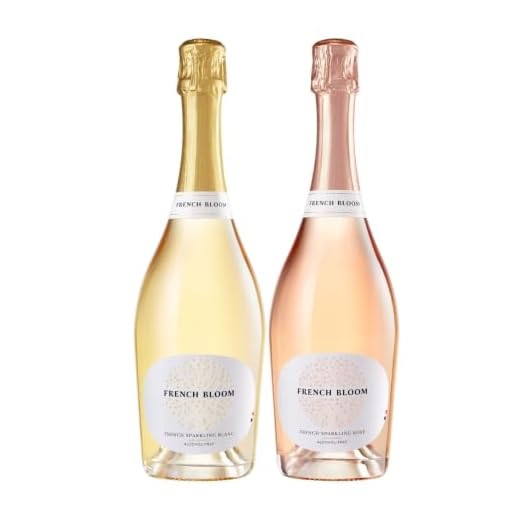

Strategies to Mitigate Sleepiness
To counteract this drowsiness, I adopt a few strategies. First, I choose varieties with lower alcohol content, which can help maintain my energy levels. Staying hydrated by drinking water alongside can also be beneficial. Consuming lighter snacks while sipping may prevent sharp drops in blood sugar, reducing tiredness. Finally, pacing myself can help manage the overall effects, allowing me to enjoy the experience without undue fatigue.
| Component | Effect on Sleepiness |
|---|---|
| Alcohol | Promotes relaxation and fatigue |
| Sulfites | May disrupt sleep quality |
| Histamines | Can cause drowsiness in sensitive individuals |
| Sugar | May lead to energy spikes and crashes |
Understanding the Role of Alcohol in Sleepiness
Alcohol acts as a central nervous system depressant, which leads to a sense of relaxation and drowsiness. The sedative properties can vary depending on the type and amount consumed. When I indulge in a glass, my brain experiences an increase in neurotransmitters like gamma-aminobutyric acid (GABA), which promotes feelings of calmness and can induce sleep.
Impact on Sleep Cycles
Moderate intake may initially help me fall asleep faster, but it disrupts the overall quality of rest. Research indicates that alcohol consumption alters the stages of sleep, particularly reducing REM (rapid eye movement) sleep. This phase is crucial for restorative processes. As a result, while I might doze off quickly, I often awaken feeling less refreshed.
Metabolism and Blood Sugar Levels
Alcohol metabolism can also influence energy levels. My body prioritizes the breakdown of alcohol over other metabolic processes, which can lead to fluctuations in blood sugar. These shifts may cause feelings of fatigue as my body works to restore balance. Staying hydrated and consuming food alongside alcohol can mitigate some of these effects, helping maintain a more stable energy level.
The Impact of Sugar Content in White Wine
When I enjoy a glass of this beverage, I often notice how the sugar levels can influence my alertness. High sugar content can lead to a quicker spike in blood sugar, followed by a dip that may result in fatigue. Here’s what I’ve found regarding sugar concentration:
- Residual Sugar: Many varieties contain significant amounts of residual sugar, especially sweeter styles like Riesling or Moscato. This can contribute to a feeling of drowsiness.
- Alcohol and Sugar Synergy: The combination of alcohol and sugar can amplify sedative effects, leading to increased sleepiness.
- Balance of Acidity: Wines with higher acidity may feel less sweet, even if they contain similar sugar levels. This balance can alter my perception of fatigue.
Monitoring the sweetness of the options I choose helps manage my energy levels. For example, opting for drier selections might mitigate that sleepy sensation.
In addition, understanding the sugar content aids in making informed choices. Checking labels or asking for details can enhance my experience and maintain my alertness.
How Sulfites and Additives Affect Your Energy Levels
Sulfites and various additives in beverages can have a significant impact on how I feel after consumption. Many individuals experience fatigue, which can be attributed to these compounds. Sulfites, often used as preservatives, can trigger allergic reactions or sensitivities in some. Symptoms may include headaches, digestive issues, and fatigue, which can contribute to an overall sense of tiredness.
Additives such as flavorings, colorings, and stabilizers can also affect energy. Some of these substances may interfere with the body’s metabolic processes. For instance, certain artificial sweeteners can disrupt gut health, leading to decreased energy levels. I find that reading labels and opting for products with minimal additives helps maintain my vitality.
Additionally, the overall quality of the ingredients plays a role. Organic or natural options typically contain fewer sulfites and additives, resulting in a more balanced experience. When I choose wines with lower sulfite levels, I often notice an improvement in how I feel afterward, both mentally and physically.
Monitoring my intake and being mindful of what I consume allows me to better manage my energy levels. I recommend paying close attention to sulfite content and additives in beverages to avoid unnecessary fatigue.


I’ve always wondered why I get sleepy after drinking white wine. Is it just the alcohol, or could it be something else too?
Great question! It can be a combination of factors including alcohol content, sugar levels, and sulfites present in the wine. Each of these can contribute to feelings of drowsiness.
I’ve noticed that Riesling makes me super sleepy, but Sauvignon Blanc doesn’t seem to have the same effect. Anyone else feel this way?
Yes, I feel the same! I prefer dry wines now to avoid that sleepy feeling.
I read that sulfites can cause fatigue in some people. Does this mean I should avoid all wines that contain them?
Not necessarily! Some people are more sensitive to sulfites than others. If you notice fatigue, it might be worth considering lower-sulfite options or checking with your doctor.
Drinking water alongside wine really helps with how I feel the next day. Hydration is key!
I tried a lower-alcohol white wine last week and didn't feel as sleepy afterward. It makes me think that alcohol content really matters. Has anyone else experienced this?
Absolutely! I always go for lower-alcohol options now. Makes a big difference.
I don’t think it's just the alcohol or sugar; I believe it’s also about how tired you are before drinking. Sometimes, I’m already exhausted and a glass of wine just puts me over the edge. Anyone else think that could be a factor?
That’s a good point! I definitely notice I get sleepier after a long day regardless of the wine.