Chuck Furuya

For a delightful pairing, I recommend opting for a crisp Sauvignon Blanc. Its refreshing acidity and citrus notes beautifully complement the delicate flavors of cod or sole, enhancing the overall dining experience.
If you’re serving grilled halibut, consider a Chardonnay, particularly one that is unoaked. This choice brings a creamy texture and hints of green apple, harmonizing effortlessly with the subtle richness of the fish.
For a more adventurous option, a dry Riesling can elevate dishes featuring Asian-inspired sauces. The slight sweetness and floral aroma balance the savory elements, making each bite even more enjoyable.
In addition, a light Pinot Grigio offers a versatile option that pairs nicely with various preparations. Its clean profile and hints of pear and melon make it a fantastic companion for steamed or baked varieties.
Choosing the Right Pairing for Light Seafood Dishes
For a delightful combination, I recommend a crisp Sauvignon Blanc. Its acidity complements the delicate flavors of the seafood, enhancing the overall experience.
Other Excellent Choices
- Chardonnay: Opt for unoaked varieties to maintain freshness and avoid overwhelming the dish.
- Pinot Grigio: Known for its light body and refreshing palate, it’s ideal for lighter preparations.
- Albariño: This Spanish white offers a hint of salinity that pairs beautifully with oceanic flavors.
Considerations for Preparation Styles
When preparing your dish, consider the method of cooking:
- Grilled: A light-bodied red like Pinot Noir can also work if the fish is grilled, adding a subtle smokiness.
- Fried: A bubbly sparkling wine can cut through the richness, making it a delightful match.
- Steamed: A dry Riesling enhances the natural sweetness of the seafood while providing a refreshing contrast.
Understanding the Flavor Profile of White Fish
For an optimal dining experience, I focus on the delicate and mild characteristics of white seafood. These varieties often present a subtle sweetness, complemented by a light, flaky texture. Common examples include cod, sole, and tilapia, each offering a clean taste that allows for versatility in preparation and seasoning.
The flavor of white seafood can be enhanced through various cooking methods. Grilling or baking often brings out a slightly smoky or roasted note, while poaching retains a fresh, oceanic essence. Additionally, the use of herbs and citrus amplifies the inherent flavors, creating a harmonious balance that pairs beautifully with refreshing beverages.
When considering accompaniments, I pay attention to the natural sweetness of the fish and its affinity for acidity. Ingredients like lemon, lime, or vinegars can elevate the dish, creating a delightful contrast. The texture also plays a significant role; lighter preparations allow the subtle nuances of the seafood to shine, while richer sauces can add depth without overpowering the main element.
Ultimately, it’s about appreciating the refined qualities of white seafood, ensuring that any complementary elements enhance rather than dominate the dish. This approach leads to a more satisfying culinary experience, allowing the true flavors to take center stage.
Choosing the Right Wine: Dry vs. Sweet
For a delightful experience, I often choose a dry option, such as a Sauvignon Blanc or a Pinot Grigio. These selections complement the delicate nature of the dish, enhancing its subtle flavors without overpowering them.
Dry Selections
Dry varieties are characterized by their crisp acidity and refreshing finish. Sauvignon Blanc, for instance, offers vibrant notes of citrus and green apple, making it an ideal companion for lighter fare. Similarly, a dry Riesling can provide a touch of minerality while maintaining a refreshing profile.
Sweet Selections
On occasion, I prefer a touch of sweetness, particularly with richer preparations or sauces. A lightly sweet wine like an off-dry Riesling can balance the dish’s richness while adding an interesting dimension. Alternatively, a Vouvray, known for its honeyed undertones, can beautifully contrast the savory elements of the meal.
Ultimately, the choice between dry and sweet depends on personal preference and the specific preparation. Experimenting with both styles can lead to delightful discoveries that enhance the dining experience.
Top White Wines for Grilled White Fish
For grilling delicate seafood, consider a Sauvignon Blanc. Its zesty acidity and herbaceous notes complement the subtle flavors of your dish, enhancing the overall experience.
Chardonnay, especially unoaked varieties, offers a crisp profile that harmonizes beautifully with grilled preparations. Its fruit-forward character provides a refreshing contrast to the fish’s texture.
Albariño stands out with its bright citrus and stone fruit flavors, making it an excellent choice. This varietal’s minerality accentuates the natural sweetness of the grilled fish, creating a delightful synergy.
Verdejo
Verdejo, a lesser-known option, brings floral and tropical fruit elements to the table. Its medium body and clean finish pair seamlessly with the smoky notes from grilling.
Pinot Grigio
Opt for Pinot Grigio if you prefer something light and refreshing. Its crisp acidity and hints of green apple and pear work well with a variety of grilled preparations, enhancing the dish without overpowering it.
These selections not only elevate the flavors of grilled seafood but also add depth and enjoyment to your dining experience. Enjoy the exploration of these options with your next meal!
Best Pairings for Baked or Roasted White Fish
For baked or roasted dishes featuring light marine proteins, I recommend opting for Sauvignon Blanc or Pinot Grigio. These varietals complement the delicate flavors without overpowering them.
Sauvignon Blanc
This choice offers bright acidity and citrus notes, enhancing the seasoning typically used in roasted preparations. Its herbal undertones work particularly well with herbs like dill or parsley often found in baked recipes.
Pinot Grigio
Light and crisp, Pinot Grigio delivers a refreshing experience that balances the subtle richness of baked or roasted preparations. Its notes of pear and green apple enhance the dish’s natural flavors.
- Chardonnay: If you prefer a richer option, a lightly oaked Chardonnay can also be suitable, especially if the dish features a buttery sauce.
- Albariño: This Spanish varietal, with its vibrant acidity and stone fruit flavors, can elevate the experience, particularly with roasted fish seasoned with citrus.
- Grenache Blanc: A lesser-known choice, Grenache Blanc offers a blend of floral and mineral notes, perfectly matching the lightness of the proteins.
Experimenting with these selections can enhance your dining experience, bringing out the best in your baked or roasted seafood dishes.
How Acidity in Wine Enhances White Fish Dishes
Choosing high-acid options can elevate the flavors of delicate seafood. The natural tang in these beverages complements the mild taste of lighter proteins, creating a balanced and refreshing experience. I often reach for a zesty Sauvignon Blanc or a crisp Pinot Grigio when enjoying grilled or sautéed seafood, as the acidity cuts through richness and enhances the dish’s inherent qualities.
Balancing Flavor Profiles
The interplay between the acidity in the beverage and the subtle flavors of the protein is crucial. For example, pairing a citrusy Chardonnay with a buttery preparation of cod or halibut allows the wine to brighten the palate, making each bite more enjoyable. I find that this contrast not only highlights the dish but also refreshes the taste buds, encouraging a continued appreciation of the meal.
Acidity and Texture
The texture of the dish also matters. Leaner varieties like tilapia or sole thrive alongside wines that boast higher acidity. This trait enhances the mouthfeel, offering a lovely crispness. A sparkling option, such as a dry Prosecco, can create a delightful sensation, adding effervescence that complements the dish’s lightness. The result is a harmonious dining experience that leaves a lasting impression.
Exploring Regional Pairings with White Fish
In the coastal regions of Italy, a crisp Verdicchio complements delicate seafood dishes beautifully. The wine’s bright acidity and subtle mineral notes enhance the flavors of the catch, especially when served grilled or sautéed. For a classic pairing, consider a bottle from the Marche region.
French Selections
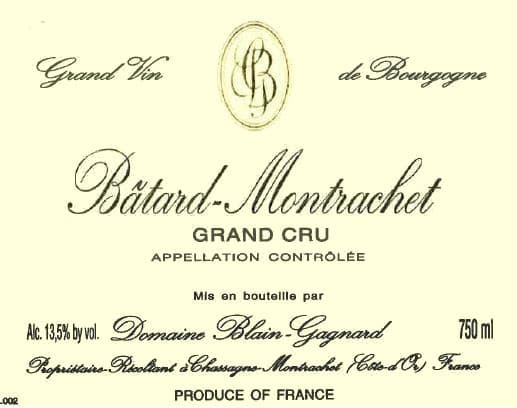
From France, a Sauvignon Blanc from the Loire Valley works wonderfully. Its fresh citrus and herbal undertones elevate dishes featuring poached or steamed varieties. If you prefer a richer option, try a white Burgundy, where the buttery texture and oak influence create a delightful contrast to simply prepared ocean fare.
Spanish Recommendations
Spain offers delightful choices, especially Albariño from Rías Baixas. This aromatic wine, with its stone fruit and saline notes, enhances the umami of grilled or ceviche-style preparations. For a more robust experience, a Godello would provide a fuller body, suitable for baked options.
| Region | Recommended Type | Best Dish Pairing |
|---|---|---|
| Italy (Marche) | Verdicchio | Grilled White Fish |
| France (Loire Valley) | Sauvignon Blanc | Poached White Fish |
| France (Burgundy) | White Burgundy | Simply Roasted Fish |
| Spain (Rías Baixas) | Albariño | Ceviche |
| Spain | Godello | Baked White Fish |
Wine Pairing Tips for Fried White Fish
I recommend opting for a chilled Sauvignon Blanc, as its crisp acidity cuts through the richness of fried preparations, enhancing the overall flavor experience. Look for options from regions like New Zealand or California for bright citrus notes that complement the dish.
An alternative choice is a dry Riesling, which offers a slight sweetness that pairs beautifully with the savory elements found in fried seafood. Its floral aromas and stone fruit flavors can elevate the meal without overpowering it.
For those who enjoy a more robust option, consider a light-bodied Chardonnay. A lightly oaked version can provide a creamy texture that harmonizes with the crispy batter, while maintaining enough acidity to refresh the palate.
When exploring sparkling options, a Cava or Prosecco can add a delightful effervescence, enhancing the dish’s crispy texture. The bubbles cleanse the palate, making each bite enjoyable.
Lastly, I suggest avoiding overly heavy or tannic reds, as they can overshadow the delicate flavors of the fried protein. Instead, stick to lighter beverages that elevate rather than dominate the dish.