Chuck Furuya

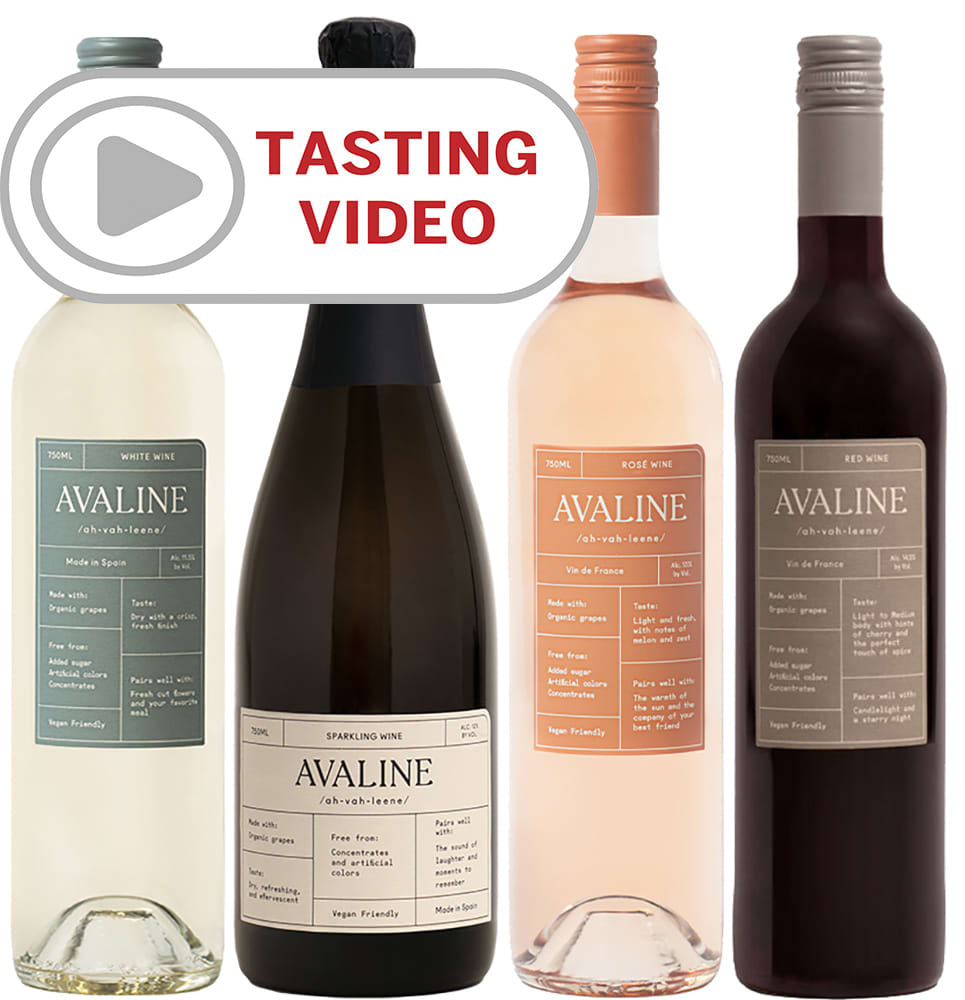
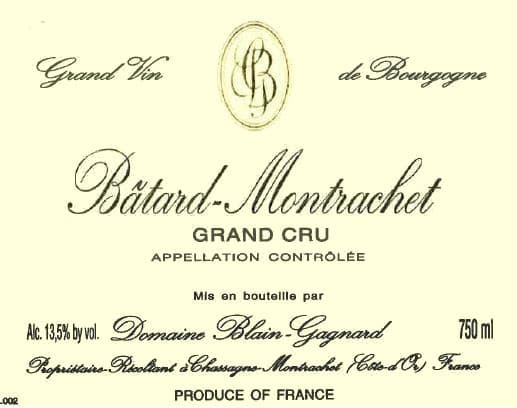
Chardonnay, particularly an unoaked variety, is my top choice for complementing salmon. Its crisp acidity and subtle fruit notes enhance the delicate flavors of the fish without overwhelming it. An ideal option would be a Chardonnay from a cool climate, such as Chablis, which brings a refreshing minerality that harmonizes beautifully with the richness of the salmon.
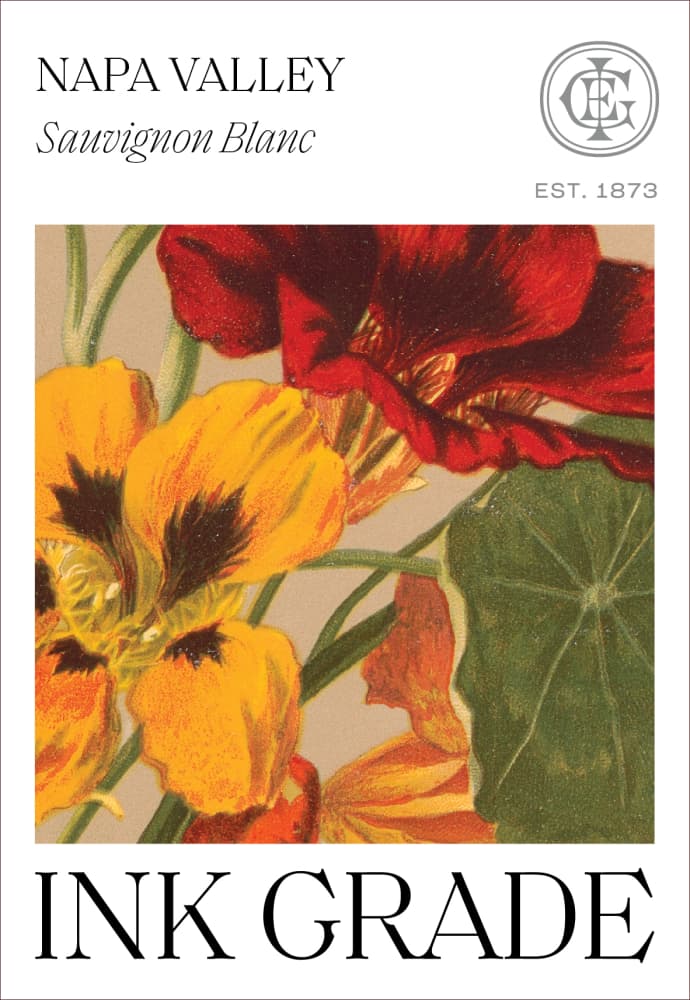
Another excellent option is a Sauvignon Blanc, especially those from New Zealand. The vibrant citrus and herbal undertones of this varietal add a lively contrast to the savory depth of the fish. The zesty character of a New Zealand Sauvignon can elevate grilled or roasted salmon dishes, making it a delightful match.
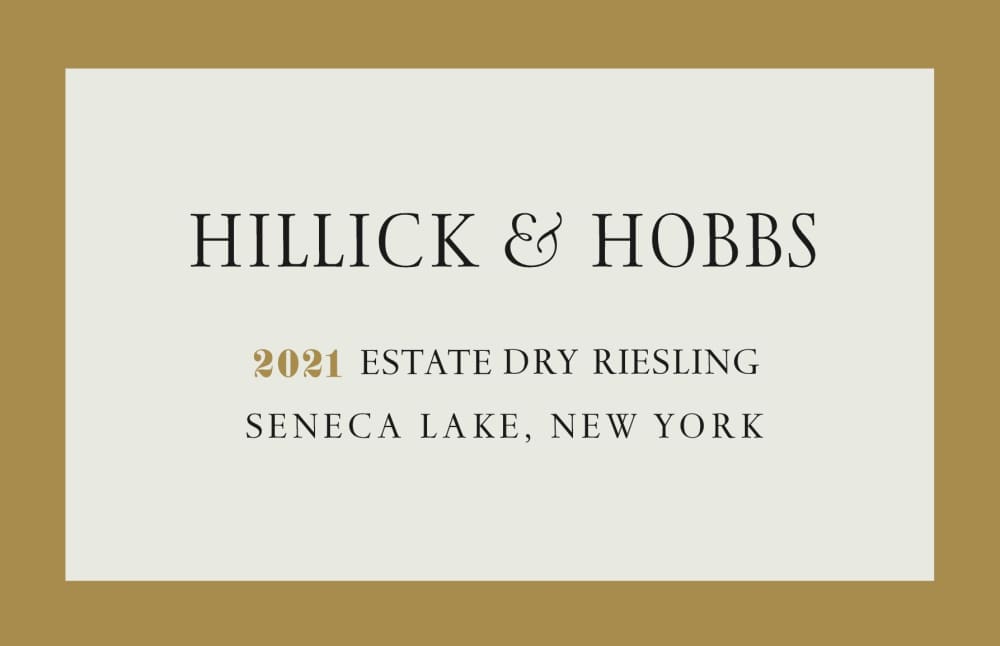
If you prefer something a bit different, consider a dry Riesling. Its balance of acidity and slight sweetness can complement both pan-seared and smoked preparations. The floral and stone fruit notes offer a unique twist that pairs well with a variety of seasonings, enhancing the overall dining experience.
Lastly, I enjoy a light Pinot Grigio for its crispness and refreshing qualities. This option is particularly fitting for lighter salmon dishes, such as those served with a citrus glaze or in salads. Its clean profile allows the flavor of the fish to shine through while adding a refreshing finish to each bite.
Ideal Pairings for Fish Dishes
Sauvignon Blanc stands out as an excellent match for grilled or baked preparations. Its crisp acidity and citrus notes enhance the dish’s flavors without overpowering them.
Chardonnay, especially those aged in oak, complements rich sauces or buttery preparations. The creamy texture and hints of vanilla add depth to the tasting experience.
Pinot Grigio offers a lighter alternative, ideal for more delicate recipes. Its bright fruitiness balances well with herbs and light seasonings.
Vermentino, often featuring a saline quality, pairs beautifully with seafood dishes. It accentuates the oceanic essence of the meal while providing a refreshing finish.
Riesling, particularly in its dry form, serves as a delightful contrast to spicier dishes, harmonizing the heat with its sweet undertones.
For those opting for a sparkling option, a dry Prosecco or Cava can elevate the experience, providing effervescence that cleanses the palate.
Choosing the Right Type of Salmon for Wine Pairing
I recommend opting for wild-caught salmon if you want a flavor that complements a variety of beverages. The richness of its taste works well with crisp options.
King salmon, known for its high-fat content, enhances the experience with fuller-bodied selections. Its buttery texture pairs nicely with creamy or oaked varieties.
If you prefer a milder choice, coho salmon offers a delicate flavor. This type aligns beautifully with lighter, more acidic selections that highlight its subtle profile.
The sockeye variety, with its robust taste and deep color, stands out against fruity wines. The boldness of sockeye matches well with options that have a hint of sweetness.
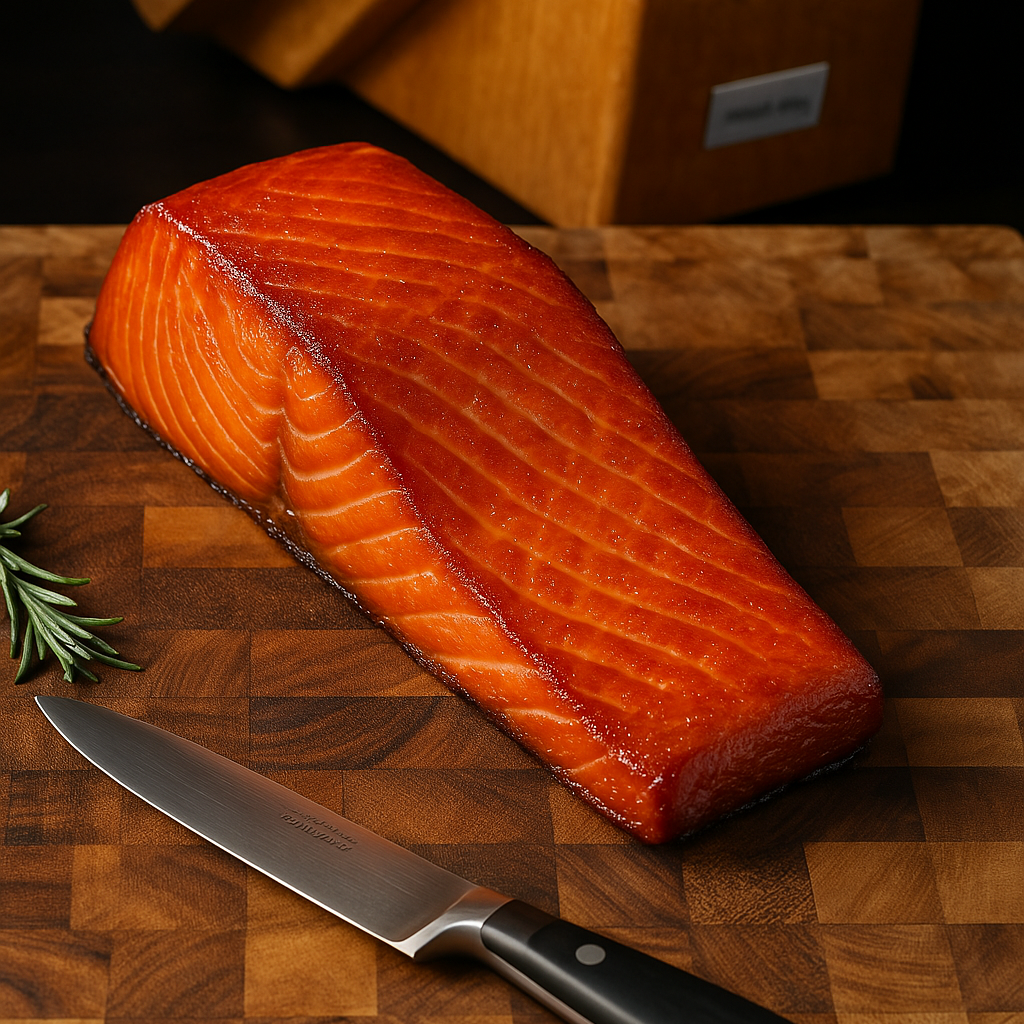
For a unique twist, consider smoked salmon. Its intense flavor demands a contrasting beverage; try a sparkling option or something with a crisp finish to balance the smokiness.
Lastly, farm-raised salmon is often milder and fattier. It pairs well with fresh, zesty options that can cut through the richness, offering a refreshing combination.
Understanding Flavor Profiles of White Wines
A crisp Sauvignon Blanc is an excellent choice for pairing due to its high acidity and citrus notes. This varietal often presents flavors of green apple, lime, and bell pepper, which complement the rich, fatty qualities of the fish. The refreshing acidity cuts through the oiliness of the dish, enhancing the overall tasting experience.
Exploring Chardonnay Options
Chardonnay varies significantly, ranging from oaky and buttery to unoaked and vibrant. An oaked Chardonnay, with its creamy texture and notes of vanilla, can provide a delightful contrast to grilled or roasted variations of the fish. On the other hand, an unoaked Chardonnay, showcasing bright citrus and mineral characteristics, pairs beautifully with lighter preparations, such as poached or sashimi-style servings.
Other Notable Varietals
Pinot Grigio offers a light and zesty alternative, often displaying pear and melon flavors. Its crisp profile works well for smoked or cured preparations. Alternatively, a Viognier can introduce floral and stone fruit elements, elevating dishes with spicy marinades or fruit salsas. Each varietal brings unique attributes that can enhance the dining experience, making it essential to consider the specific flavors in both the fish and the selected beverage.
Serving Temperature and Glassware for White Wine
Optimal serving temperature directly influences the enjoyment of your drink. For a refreshing experience, chill your selection to around 45-50°F (7-10°C). This range allows the subtleties of flavor to shine without overwhelming your palate. Aim for a cooler temperature if the beverage has pronounced acidity or lighter characteristics, while slightly warmer is suitable for richer, more complex options.
- Light-bodied varieties, such as Sauvignon Blanc or Pinot Grigio, are best served at 45-48°F (7-9°C).
- Medium-bodied options, like Chardonnay or Viognier, benefit from a temperature of 48-52°F (9-11°C).
- Full-bodied selections, such as oaked Chardonnay, can be enjoyed at 50-54°F (10-12°C).
Glassware plays a significant role in enhancing the tasting experience. Choose a glass with a narrow bowl for aromatic and delicate styles, which helps concentrate the scents. A slightly wider bowl is preferable for fuller varieties, allowing for better aeration.
- For crisp, aromatic types: use a standard white wine glass with a tapered rim.
- For fuller-bodied selections: opt for a glass with a broader bowl to facilitate airflow.
Keep in mind to hold the stem of the glass rather than the bowl to maintain the ideal temperature. Enjoying a lovely pairing is as much about the right conditions as it is about the chosen flavors.