Chuck Furuya

For a delightful pairing, I recommend a medium-bodied Chardonnay. Its subtle oak influences and refreshing acidity complement the rich flavors of the bird, enhancing the overall dining experience.
Another excellent choice is a Viognier. The aromatic profile, featuring notes of stone fruits and floral hints, harmonizes beautifully with the savory elements of the dish, creating a balanced palate sensation.
If you’re looking for an alternative, a dry Riesling can also work wonders. Its crispness and fruit-forward character cut through the richness while providing a zesty contrast that elevates the meal.
To explore a more adventurous option, consider a Grüner Veltliner. This wine’s peppery finish and vibrant acidity can enhance the seasoning of the duck, making each bite more enjoyable.
Pairing Suggestions for Roast Duck
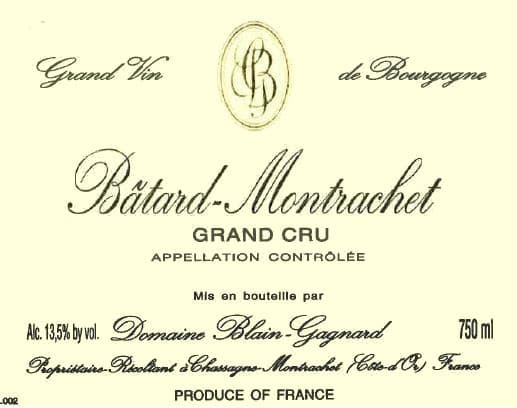
Chardonnay from Burgundy is an excellent match for this dish due to its balanced acidity and complex flavors. Its notes of ripe apple and subtle oak complement the rich, gamey taste of the meat beautifully.
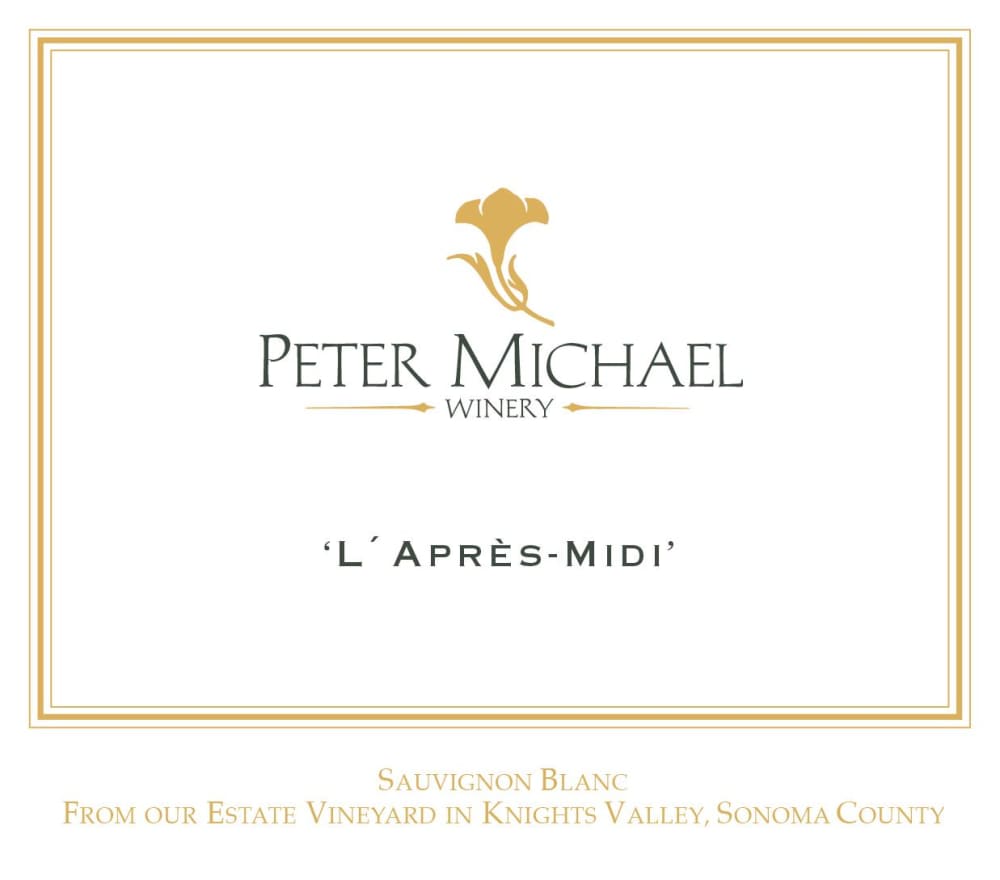
Sauvignon Blanc, particularly from the Loire Valley, offers a zesty contrast. The wine’s herbal undertones and citrusy brightness enhance the savory elements, especially if the duck is prepared with fruity sauces.
Alternative Options
Consider a Viognier as another delightful pairing. Its aromatic profile, featuring peach and floral hints, can elevate the dish, especially if herbs are used in the preparation.
Pinot Grigio, especially from Italy, works well too. Its crispness and minerality provide a refreshing counterpoint to the duck’s richness.
Flavor Profiles Comparison
| Type | Flavor Notes | Food Pairing Benefits |
|---|---|---|
| Chardonnay (Burgundy) | Ripe apple, subtle oak | Enhances richness |
| Sauvignon Blanc (Loire Valley) | Citrus, herbal | Brightens savory flavors |
| Viognier | Peach, floral | Elevates herbaceous notes |
| Pinot Grigio | Crisp, mineral | Provides refreshing contrast |
Choosing the Right Flavor Profile for Roast Duck
For pairing with succulent poultry, focus on layers of flavors that complement the richness and depth of the meat. Opt for varietals that deliver a balance between acidity and fruitiness.
- Chardonnay: A full-bodied option can enhance the savory notes. Look for unoaked or lightly oaked expressions to maintain freshness.
- Gewürztraminer: Its aromatic profile and slight sweetness can harmonize beautifully, especially if the dish contains fruity sauces.
- Sauvignon Blanc: Choose a version with bright acidity and herbaceous notes. This can cut through the fat and elevate the overall experience.
- Riesling: A dry or off-dry selection will add a touch of sweetness while providing crisp acidity, working well with various seasonings.
Consider the preparation method. For a spiced variant, opt for aromatic whites that reflect the seasoning. Alternatively, if the dish features a fruity glaze, select a wine that mirrors those flavors.
Ultimately, aim for balance. The right choice will enhance the meal without overpowering the complex tastes of the dish.
Top Varietals to Pair with Duck
Sauvignon Blanc is an excellent choice, especially those from regions like Marlborough or Sancerre. Its zesty acidity complements the rich flavors of the meat, cutting through the fat effectively.
Chardonnay, particularly those with a touch of oak, adds depth. A well-rounded Burgundy or a Californian style enhances the dish’s complexity, harmonizing beautifully with savory sauces.
Riesling, especially off-dry varieties, brings a delightful contrast. The slight sweetness balances the savory elements, making it a perfect match for dishes featuring fruit glazes.
Pinot Grigio offers a lighter option, providing crispness that refreshes the palate. Its subtle fruit notes pair well with herbal preparations.
Viognier is another intriguing option, with its floral aromas and stone fruit flavors. This varietal enhances the dish’s richness while offering a unique taste experience.
Serving Temperature and Decanting Tips for White Wine
For optimal enjoyment, I recommend serving chilled selections at a temperature between 45°F and 50°F (7°C to 10°C). This range allows for the delicate aromas and flavors to shine without being overshadowed by excessive coldness. If the beverage is too warm, the subtleties may become muted, while overly cold servings can mask the complexity.
Decanting is often overlooked for lighter varieties, but it can enhance the experience. I suggest allowing the liquid to breathe for about 20 to 30 minutes before serving. This process can help soften any harsh notes and promote the emergence of more nuanced flavors. If you’re dealing with a more aromatic option, consider using a decanter with a wide surface area to maximize oxygen exposure.
To chill effectively, I prefer an ice bucket filled with equal parts ice and water. This method cools quickly and uniformly. Alternatively, if I’m short on time, placing the bottle in the freezer for about 15 minutes works as a quick fix, but I keep an eye on it to avoid freezing.
By paying attention to temperature and decanting, I find that my tasting experience becomes significantly more enjoyable, allowing each sip to fully express its characteristics.