Chuck Furuya
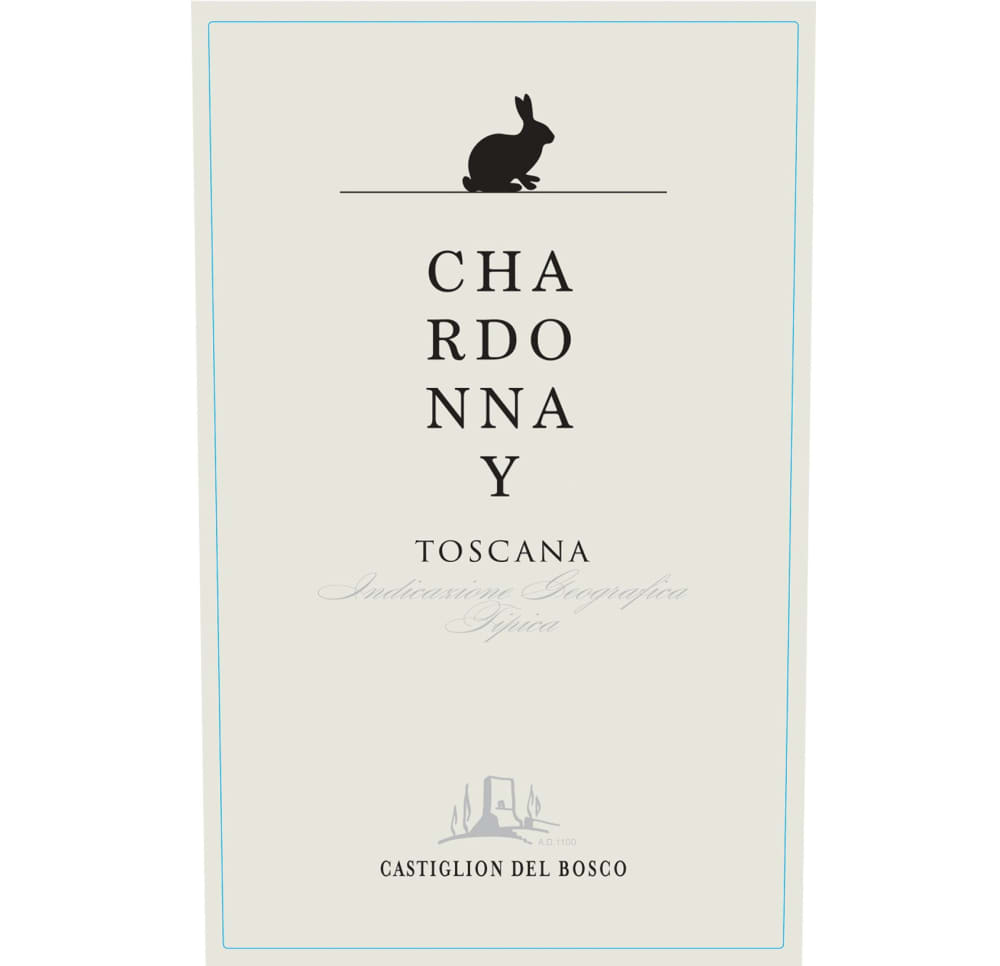
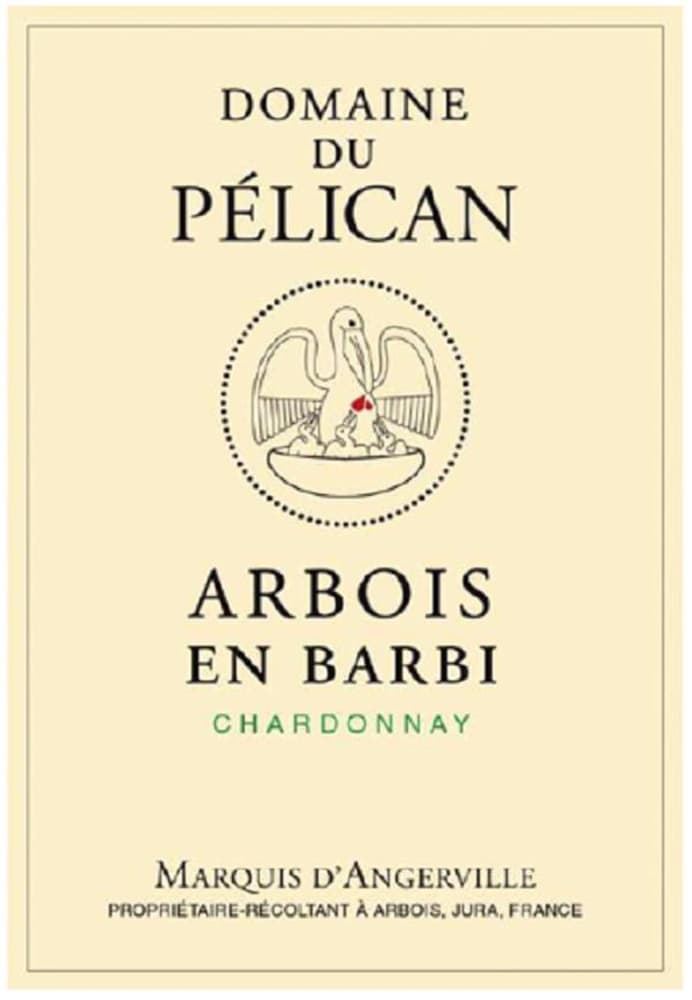
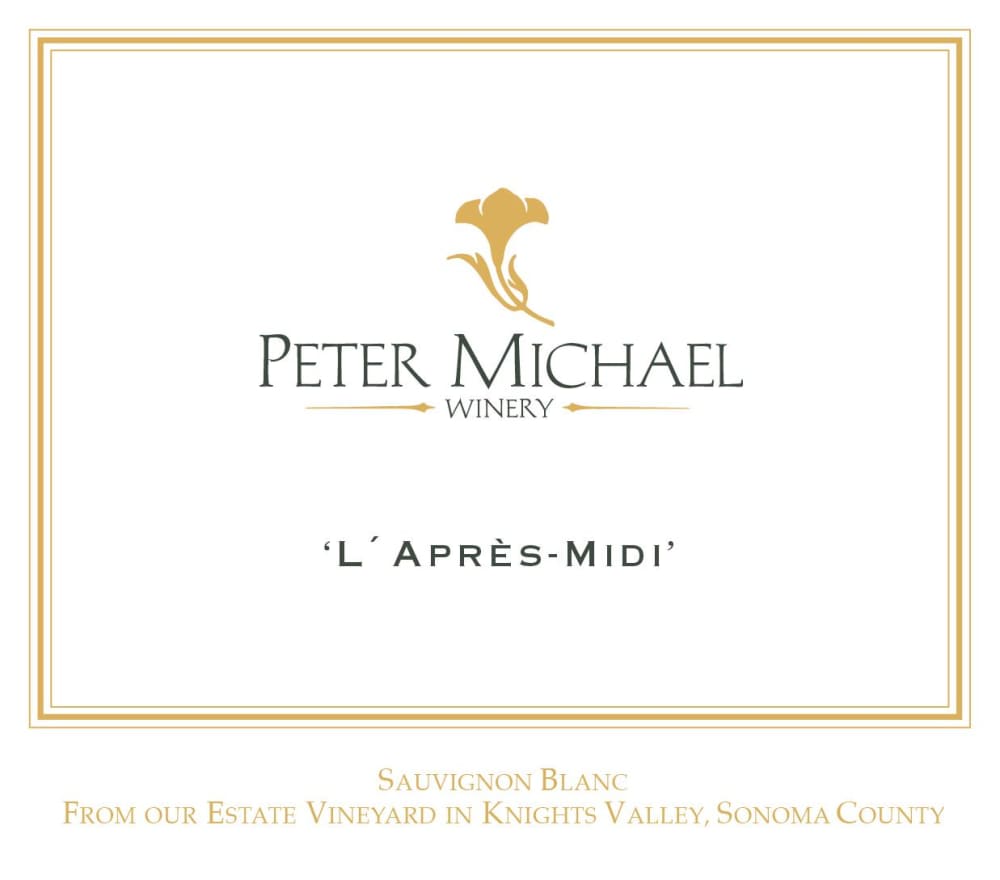
If you’re seeking the ideal accompaniment for this classic dish, consider a well-chilled Sauvignon Blanc. The bright acidity and citrus notes of this varietal beautifully cut through the richness of the meat and mushroom duxelles, enhancing the overall dining experience.
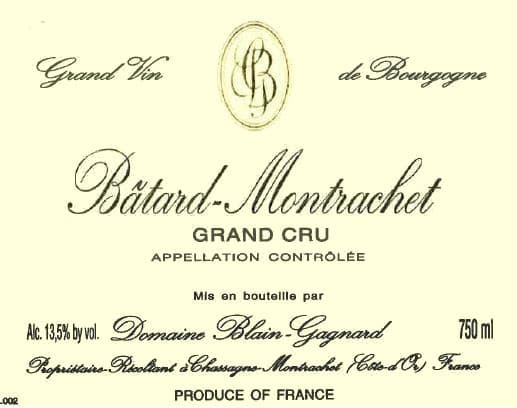
Another excellent choice is a lightly oaked Chardonnay. Its buttery texture and subtle vanilla undertones complement the flaky pastry while balancing the savory flavors of the beef. Look for options from regions like Burgundy or California, where these characteristics are pronounced.
For a more adventurous pairing, try a Grüner Veltliner. This Austrian gem offers a unique peppery spice and stone fruit profile that can add an intriguing twist to the meal. Its refreshing nature makes it a delightful contrast to the heartiness of the main course.
Lastly, if you prefer a sweeter option, a late harvest Riesling can provide a luscious balance. The hint of sweetness paired with its acidity can harmonize wonderfully with the savory elements of the dish, creating a memorable pairing.
Pairing Suggestions for a Luxurious Dish
The ideal choice for a sophisticated meal featuring pastry-wrapped beef is a rich and aromatic Chardonnay. Opt for one that has undergone malolactic fermentation, as this will provide a creamy texture that complements the dish’s buttery crust.
Recommended Varietals
- Oaked Chardonnay from Napa Valley
- White Burgundy, particularly from Meursault
- Chardonnay with notes of vanilla and tropical fruits
Serving Tips
- Serve chilled at around 50-55°F (10-13°C) to enhance the wine’s flavors.
- Consider decanting for 20-30 minutes to allow the aromas to open up.
An alternative choice is a Viognier, which provides floral notes and a hint of stone fruits. This can create a delightful contrast to the savory elements of the meal.
For a lighter option, a well-structured Sauvignon Blanc from a cooler climate can also work well, offering crisp acidity that balances the richness of the dish without overwhelming it.
Understanding Flavor Profiles of Beef Wellington
Pairing accompaniments requires an appreciation of the rich components of this iconic dish. The primary elements include tenderloin, earthy mushrooms, and a flaky pastry crust. The meat’s umami flavor complements the earthy notes of mushrooms, while the pastry adds a buttery texture.
When considering pairings, the savory profile of the tenderloin stands out. I often find that a crisp acidity can enhance the overall experience, cutting through the richness. A hint of minerality can also elevate the dish, especially when complemented by a citrus undertone, balancing the heaviness of the meat and pastry.
The mushroom duxelles introduces a subtle earthiness, inviting options that feature herbal or floral characteristics. These notes can bring a refreshing contrast, providing a delightful interplay with the savory elements. I suggest exploring selections that offer a touch of oakiness, which can harmonize with the dish’s texture.
In summary, I recommend focusing on selections that emphasize acidity, minerality, and herbal nuances. These characteristics will not only complement the dish but also create a memorable dining experience, enhancing each bite of this classic preparation.
Choosing the Right Varietals
For pairing, I prefer Chardonnay and Viognier. Both bring a delightful balance of acidity and richness that complements the dish’s flavors.
- Chardonnay: Opt for an oak-aged version. The buttery notes and hints of vanilla enhance the savory aspects.
- Viognier: Its aromatic profile, featuring peach and floral notes, adds complexity and pairs beautifully with the dish’s earthy elements.
Consider Sauvignon Blanc if seeking a zesty alternative. Its crisp acidity cuts through the richness, refreshing the palate.
- Look for a Sauvignon Blanc from regions like Marlborough for vibrant citrus notes.
- Try a Sémillon for its waxy texture and subtle fruitiness, which can add depth.
Riesling can also work, particularly the dry versions. The touch of sweetness can harmonize with any accompanying sauces.
- Food Pairing: Serve chilled, allowing the aromas to open up.
- Glass Choice: Use a medium-sized glass to enhance the aromatic experience.
Experimenting with these varietals will lead to a memorable gastronomic experience, elevating the enjoyment of this classic dish.
Temperature and Serving Suggestions for White Wine
For optimal enjoyment, chill the chosen varietal to a temperature between 45°F and 50°F (7°C to 10°C). This range allows the complexities to shine while maintaining a refreshing quality. Using an ice bucket or refrigerator is effective for reaching this ideal temperature.
When serving, opt for a narrow, tulip-shaped glass. This design helps concentrate the aromas, enhancing the tasting experience. Pour a small amount, about one-third of the glass, to allow for proper aeration and swirl.
Consider pairing the drink with light appetizers such as crostini or a fresh salad to complement the flavors of the dish. Serving alongside a light cheese platter can also enhance the overall meal experience, offering a pleasant contrast to the main course.
For a more formal setting, ensure the glassware is clean and crystal clear, as presentation can elevate the dining experience. Always serve the beverage before the main dish to set the stage for the meal, allowing guests to savor the subtleties before diving into the heart of the feast.