Chuck Furuya
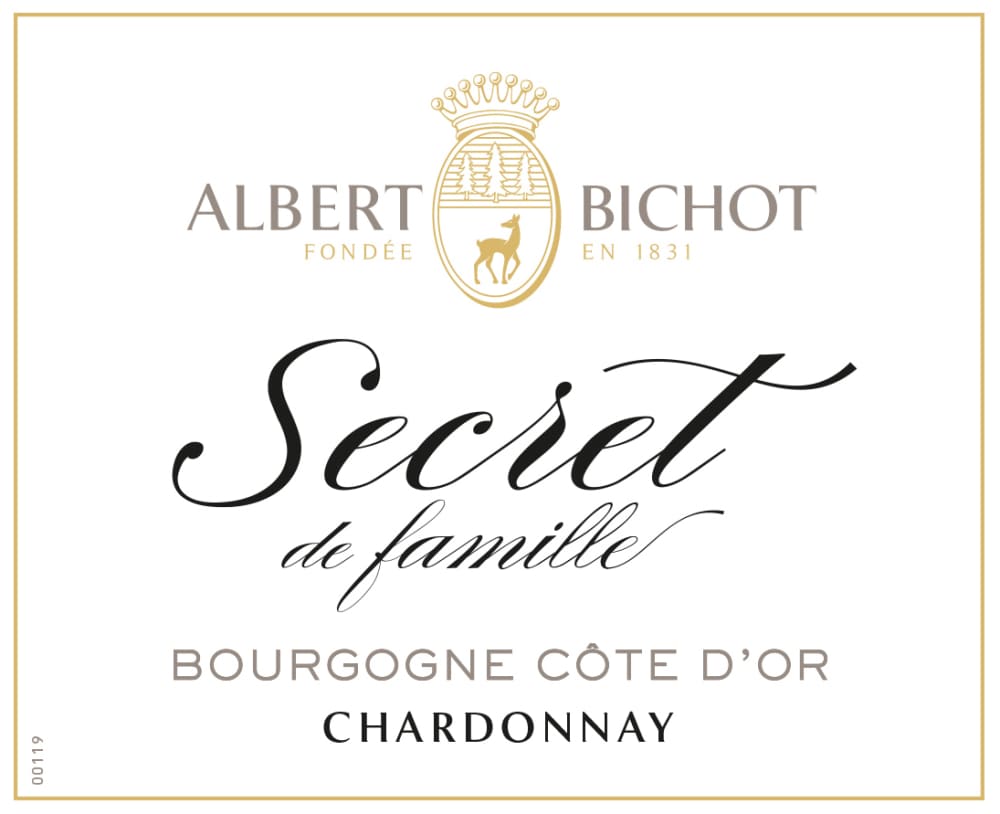
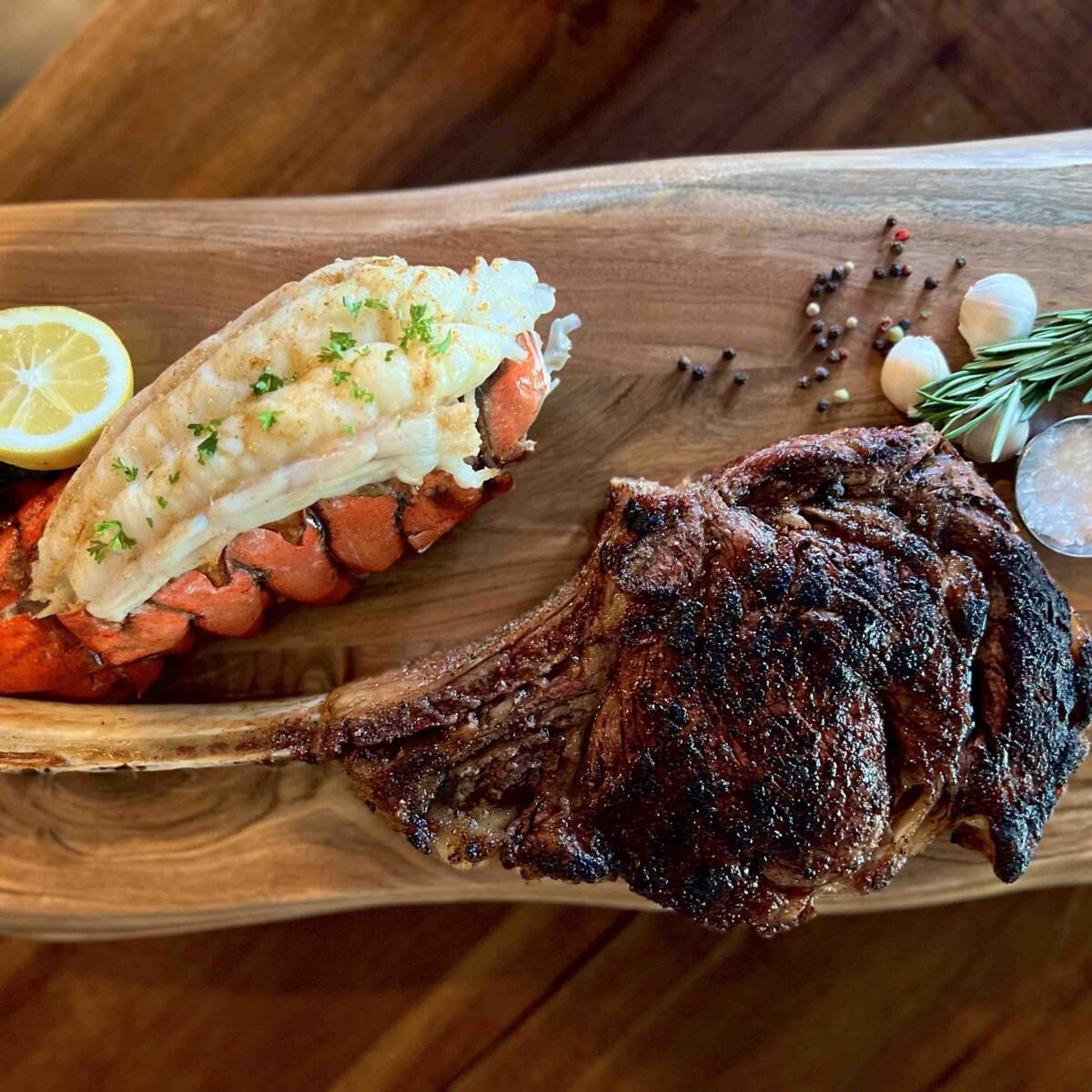

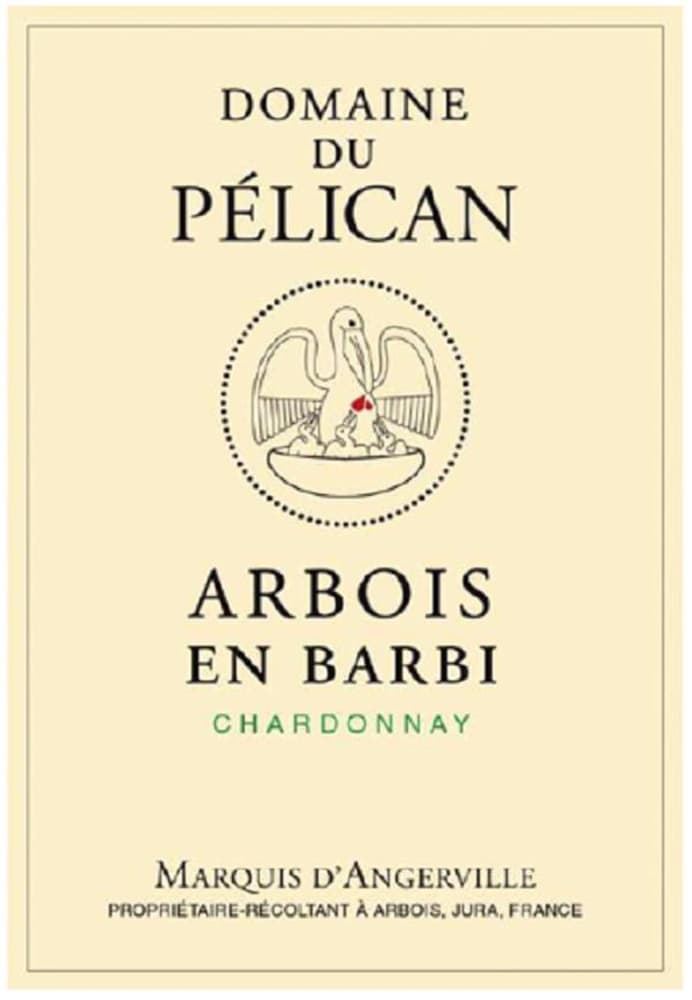
To enhance the delicate flavors of lobster, I recommend a Chardonnay with a buttery profile. This varietal complements the sweetness of the meat while providing a creamy texture that harmonizes beautifully with the dish.
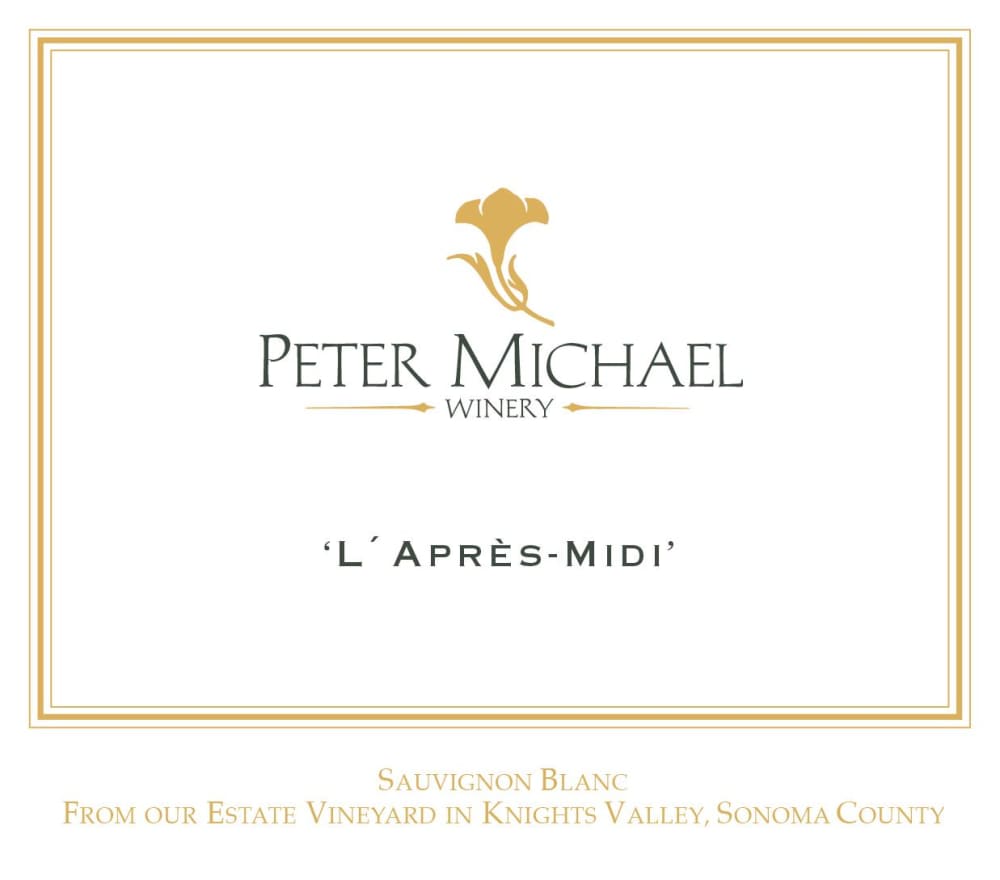
If you prefer something lighter, consider a Sauvignon Blanc. Its crisp acidity and citrus notes can cut through the richness of the lobster, providing a refreshing contrast that elevates the entire experience.
For a more adventurous choice, a Viognier might be the perfect fit. Its aromatic qualities and fruity undertones bring an interesting complexity that pairs well with various lobster preparations, especially those with rich sauces.
Lastly, don’t overlook a sparkling option, such as a high-quality Champagne or a dry Prosecco. The effervescence and acidity can refresh the palate, making each bite of lobster even more enjoyable.
Pairing Recommendations
A finely chilled Sauvignon Blanc stands out as an excellent companion for this shellfish. Its crisp acidity and citrus notes beautifully complement the delicate sweetness of the meat. Opt for a New Zealand version for its vibrant flavors.
Alternative Selections
If you’re seeking something a bit richer, consider a buttery Chardonnay. The oak aging provides a creamy texture that enhances the dish, especially when served with drawn butter or garlic sauce.
Exploring Unique Options
A dry Riesling can also surprise with its balance of fruitiness and acidity, cutting through the richness while adding an aromatic profile that pairs wonderfully with various preparations. Another captivating choice is a Vermentino, known for its herbal and minerally qualities, which can elevate the dining experience.
Understanding the Flavor Profile of Lobster
The sweetness of lobster meat pairs beautifully with certain aromatic profiles. When I think of the flavor characteristics, I often note the delicate brininess and subtle nuttiness that emerge from the texture. This creates an excellent base for enhancing flavors through seasoning or sauces.
The natural sweetness is particularly pronounced in fresh, high-quality lobster, making it ideal for complementing citrus-based accompaniments or buttery sauces. The meat’s slight richness calls for a refreshing acidity to balance the palate. I often find that a hint of herbal notes, such as tarragon or dill, can elevate the overall experience, harmonizing with the seafood’s inherent qualities.
The preparation method also influences the taste profile. Grilled or steamed variations exhibit a light smokiness, while butter-poached options bring out a creamier texture. Each cooking style presents unique pairing opportunities, enhancing the overall gastronomic adventure.
In terms of seasoning, keeping it simple tends to work best. A dash of sea salt and a squeeze of lemon often suffice, allowing the natural flavors to shine through. This minimalist approach ensures that the essence of the seafood remains the focal point, making the experience truly memorable.
Best White Wine Varieties for Lobster Pairing
For an exceptional match, I recommend Chardonnay. A lightly oaked version enhances the rich flavors of the seafood without overwhelming them. The creamy texture complements the sweet, tender meat perfectly.
Sauvignon Blanc is another excellent choice. Its crisp acidity and citrus notes cut through the richness, providing a refreshing contrast that enhances the dish’s overall experience.
Vermentino
This Italian varietal brings a delightful herbal quality and minerality, which pairs beautifully with lobster, especially when prepared with garlic or herbs.
Pinot Grigio
A light and zesty Pinot Grigio can provide a refreshing counterbalance, especially with chilled or boiled preparations. Its bright acidity makes it a go-to for many seafood lovers.
How Acidity in Wine Enhances Lobster Dishes
Choosing a highly acidic beverage amplifies the delicate flavors of shellfish, particularly when it comes to crustaceans. The sharpness in the drink cuts through the richness of the meat, creating a refreshing balance that heightens the dining experience.
Balancing Richness
The natural sweetness of lobster pairs beautifully with the tang of a crisp beverage. High acidity helps to cleanse the palate, allowing each bite to shine without being overwhelmed by buttery sauces or seasonings. Varieties like Sauvignon Blanc or Chablis showcase this effect, offering citrus notes that enhance the dish’s inherent flavors.
Complementing Sauces and Seasonings
When preparing lobster with herb-infused butter or garlic, a drink that possesses bright acidity complements these rich elements. The acidity not only enhances the dish’s flavors but also refreshes the palate, ensuring that each taste remains vibrant and lively. A well-chosen pour can transform the meal into a harmonious experience, where the complexities of both the food and the drink are fully appreciated.
Exploring Regional Wine Options for Lobster
For a delightful experience with crustaceans, it’s beneficial to explore local varietals that complement the dish beautifully. From the coastal regions of France to the vineyards of the Pacific Northwest, each area offers unique selections that enhance the flavors of seafood.
In France, consider a Muscadet from the Loire Valley. This wine, with its crisp acidity and mineral notes, harmonizes wonderfully with the sweetness of the meat. Alternatively, a Chablis, which is made from Chardonnay grapes, provides a brilliant match, thanks to its bright citrus and flinty characteristics.
Moving to the United States, a Sauvignon Blanc from Napa Valley delivers vibrant acidity and lively fruit flavors, making it a fantastic partner for buttery preparations. In Oregon, a Pinot Gris can offer a rich texture and subtle spice that pairs well with various lobster dishes.
Australia’s Margaret River region produces exceptional Semillon, known for its herbal notes and refreshing palate that complements a variety of seafood. Similarly, New Zealand’s Sauvignon Blanc, particularly from Marlborough, showcases zesty lime and green apple, enhancing the dish’s natural sweetness.
Italy’s Verdicchio, particularly from the Marche region, offers a refreshing minerality and almond notes that work well alongside shellfish. Another noteworthy option is the Gavi from Piedmont, which provides a crisp and elegant profile that balances perfectly with richer sauces.
In addition to these regional options, consider trying sparkling varieties, such as Champagne or a high-quality Cava. The effervescence cuts through richness, elevating the overall dining experience.
Matching Sweetness Level with Lobster Preparation
Opt for a medium-sweet Riesling or a slightly off-dry Chenin Blanc if preparing lobster with rich, creamy sauces. The natural sweetness complements the dish, enhancing the overall flavor experience.
For grilled or roasted variations, a dry Sauvignon Blanc works remarkably well. However, if you prefer a hint of sweetness, consider a Gewürztraminer, which adds an aromatic touch without overshadowing the dish’s essence.
When serving lobster with citrus-based sauces or herb-infused preparations, a dry, crisp Albariño or a Sauvignon Blanc will balance the acidity while maintaining a refreshing profile.
| Preparation Method | Recommended Sweetness Level | Suggested Varieties |
|---|---|---|
| Rich, Creamy Sauces | Medium-sweet | Riesling, Chenin Blanc |
| Grilled or Roasted | Dry or Slightly Sweet | Sauvignon Blanc, Gewürztraminer |
| Citrus-based or Herb-infused | Dry | Albariño, Sauvignon Blanc |
Each preparation method requires a thoughtful approach to sweetness levels, ensuring that the selected varietal enhances rather than competes with the dish’s flavors. Adjusting sweetness can transform the dining experience, creating a harmonious pairing.
Temperature Guidelines for Serving White Wine with Lobster
For optimal enjoyment, chill your chosen varietal to a precise temperature range. Ideal serving temperature is between 45°F and 55°F (7°C to 13°C). This range enhances the delicate notes while maintaining a refreshing profile.
Chilling Methods
- Standard refrigerator: Place the bottle inside for about 2-3 hours.
- Ice bucket: Fill with equal parts ice and water for a quicker chill, approximately 15-20 minutes.
- Freezer: A quick dip for 10-15 minutes, but avoid extended periods to prevent freezing.
Tasting Temperature Adjustment
After pouring, allow the liquid to breathe slightly. If served too cold, flavors may be muted. For a slight warming effect, hold the glass by the stem; this can elevate the aromas and enhance the tasting experience. Aim for a slight increase in temperature during tasting to bring out complex notes without overpowering the dish.
Common Mistakes to Avoid When Pairing Wine and Lobster
Avoid selecting overly oaky options that can overshadow the delicate flavors of the crustacean. The richness of the meat requires a balance, and heavy notes can clash with its natural sweetness.
Do not overlook the impact of preparation methods. Grilled or spiced lobster may call for a different approach than a classic butter-poached version. Adjust your choice based on accompanying sauces and seasonings.
Key Missteps
- Choosing excessively sweet options, which can overpower the dish.
- Ignoring the importance of serving temperature; chilled selections enhance freshness.
- Neglecting regional pairings; local varieties often complement seafood best.
- Focusing solely on varietals without considering the specific vintage and producer.
Enhancing the Experience
Always consider acidity levels; low-acid selections can lead to a flat taste experience. A crisp, zesty alternative can elevate the dish effectively.
Finally, remember to sample before serving. Personal preference plays a significant role in the enjoyment of any pairing, so trust your palate.