Chuck Furuya


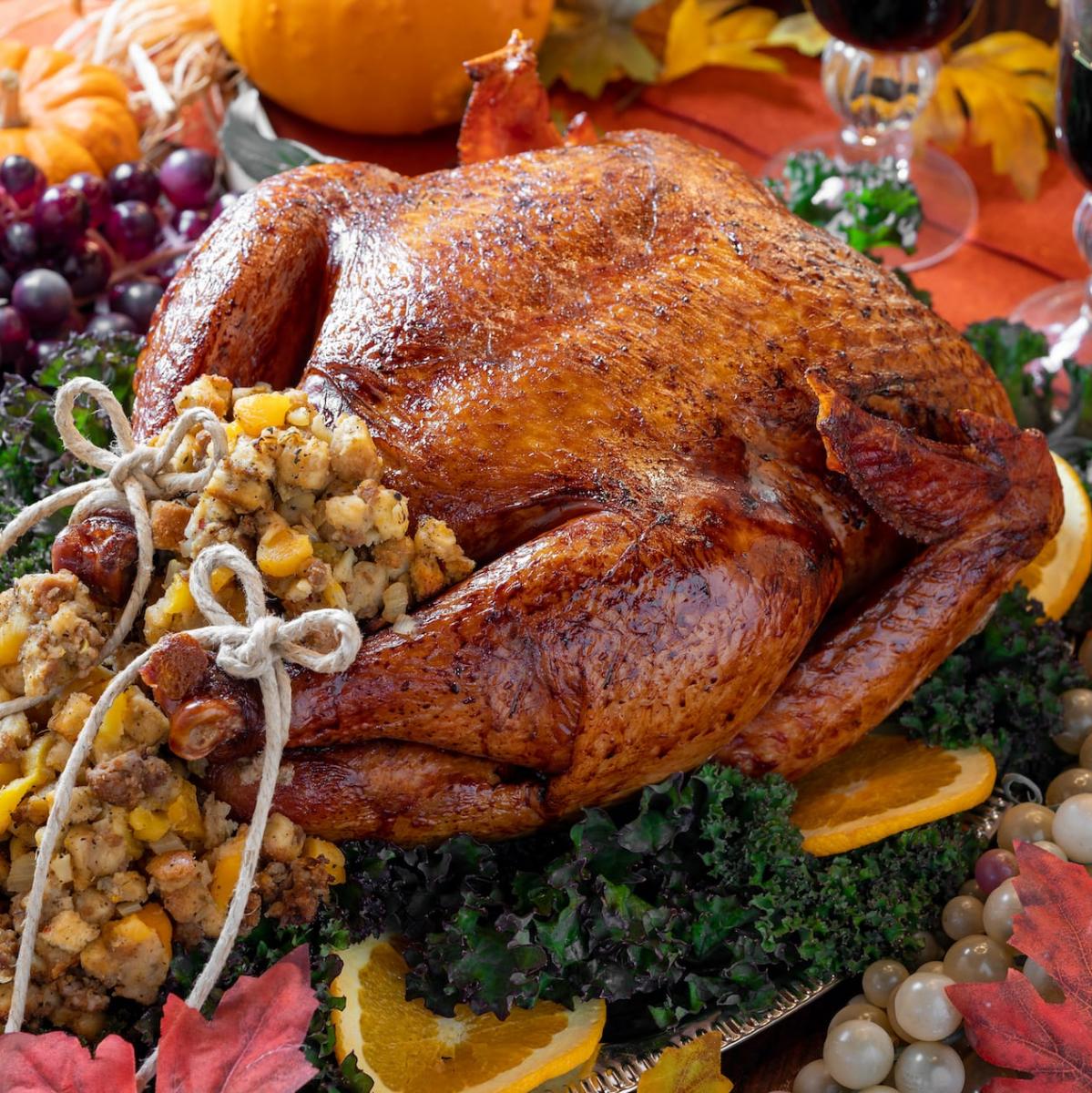
Opting for a fruity Cabernet Sauvignon elevates the flavor profile of roasted fowl. The robust tannins and rich berry notes complement the savory elements of the dish, enhancing the overall experience. This choice pairs well with herb-infused gravies and side dishes, bringing harmony to the table.
On the flip side, a crisp Chardonnay can also be a delightful match. Its acidity cuts through the richness of the meat, providing a refreshing contrast. The buttery undertones resonate beautifully with creamy sides, creating a balanced and pleasing combination for diners.

Ultimately, personal preference plays a significant role. Experimenting with different varieties can lead to delightful discoveries, whether leaning towards the boldness of a dark varietal or the brightness of a lighter option. Each sip contributes to a memorable feast.
Choosing the Right Pairing for Turkey
Opt for a medium-bodied Cabernet Sauvignon or a Pinot Noir to enhance the flavors of roasted poultry. These selections complement the savory notes while adding depth to the meal. The subtle tannins in Cabernet balance the richness, while Pinot Noir offers a lighter profile that harmonizes with herbs and spices.
Exploring Alternative Options
If seeking a different approach, consider a Grenache or a Zinfandel. Grenache provides fruity undertones that pair well with cranberry sauce, while Zinfandel’s spiciness elevates the savory elements of the dish.
Refreshing Choices
For a crisp contrast, a Chardonnay or a Sauvignon Blanc can be delightful. Chardonnay’s creamy texture works beautifully with buttery sides, while Sauvignon Blanc’s acidity cuts through richness, bringing brightness to the palate.
Understanding the Flavor Profile of Turkey
Choosing the right beverage for poultry hinges on its flavor characteristics. Turkey offers a subtle and mild taste, making it versatile for pairing. The meat’s natural sweetness and slight earthiness can complement a variety of drinks.
Key Flavor Elements
- Umami: The savory quality enhances the overall taste, inviting both light and fruity options.
- Fat Content: While lean, the skin adds richness, providing a backdrop for bolder choices.
- Herbal Notes: Common seasonings like sage and thyme can influence pairing decisions, favoring aromatic selections.
Pairing Recommendations
For a harmonious experience, consider the following:
- Fruity selections with moderate acidity balance the mildness and enhance the overall flavor.
- Earthy tones can mirror the savory aspects, creating a cohesive tasting experience.
- Aromatic varieties can elevate herbal notes found in the dish.
Exploring these elements can lead to delightful combinations that elevate the dining experience.
Characteristics of Red Wine Suitable for Turkey
Opt for medium-bodied varietals featuring moderate tannins. These attributes enhance the savory notes of the bird while maintaining a balance that complements the meal. Varieties like Pinot Noir or Merlot offer soft fruit flavors and a smooth finish, making them ideal accompaniments.
Consider wines that exhibit earthy undertones. This characteristic pairs well with the rich flavors of roasted meat, adding depth to the overall tasting experience. Look for options with hints of spice or herbal notes, as they can accentuate the seasoning of the dish.
Avoid overly tannic selections, as they may overpower the delicate nuances of the meat. Instead, focus on those with a fruit-forward profile that brings out the natural sweetness of the turkey. A wine that showcases cherry, raspberry, or plum notes will enhance the overall dining experience.
Temperature also plays a role; serving these selections slightly chilled enhances their refreshing qualities. This approach allows the flavors to open up, creating a more enjoyable pairing when served alongside traditional sides such as stuffing and cranberry sauce.
Explore wines that have undergone slight oak aging. This process introduces subtle vanilla or toasty notes, adding complexity without overwhelming the palate. A well-balanced choice can elevate the meal, harmonizing beautifully with both the bird and accompanying dishes.
Characteristics of White Wine Suitable for Turkey
Aromatic profiles that enhance the savory notes of poultry are ideal. Look for options that exhibit a balance of acidity and fruitiness. Crisp varieties, such as Sauvignon Blanc, complement the dish’s herbal components effectively.
A medium-bodied choice like Chardonnay, especially those that undergo partial malolactic fermentation, brings a creamy texture that pairs well with rich gravy or stuffing. The oak influence can add layers of complexity without overpowering the palate.
Consider wines with citrus and stone fruit notes, as these freshness elements brighten the overall dining experience. Varietals such as Pinot Grigio or Vermentino showcase floral hints, which can elevate the meal’s flavor profile.
Chill the selections appropriately to preserve their refreshing qualities. A serving temperature of around 45-50°F allows the nuances to shine through, making each sip a delightful counterpart to the main course.
Pairing Red Wine with Different Turkey Preparations
For a roasted bird, a medium-bodied Pinot Noir enhances the savory flavors, complementing herbs and spices. The wine’s acidity cuts through the richness, creating balance in each sip.
Grilled Turkey
When opting for grilled preparations, a zesty Zinfandel works wonders. Its fruity notes and subtle spice elevate the smoky undertones, making each bite more enjoyable. The wine’s boldness stands up to charred flavors, providing a satisfying pairing.
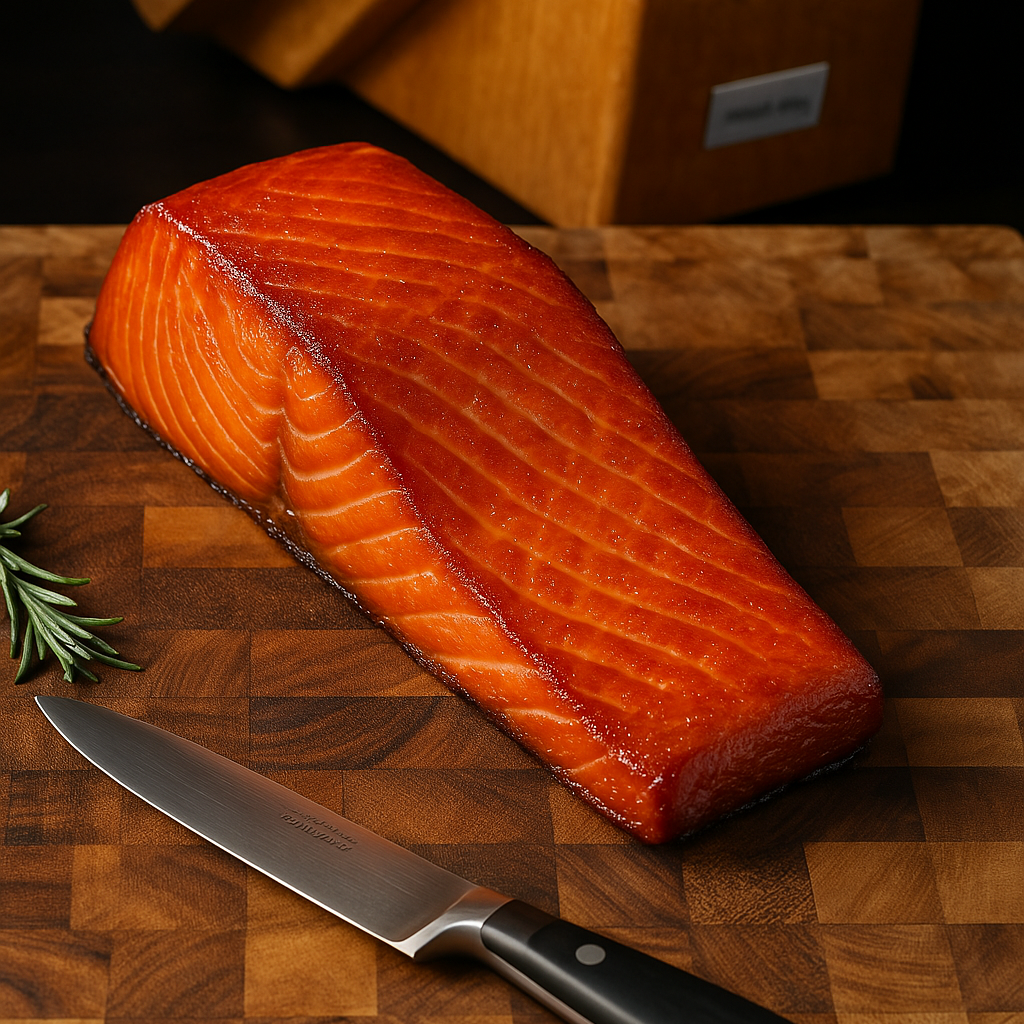
Smoked Turkey
A Syrah, with its robust profile, pairs excellently with smoked variations. The wine’s dark fruit characteristics and peppery finish harmonize beautifully with the deep, smoky essence of the dish. This combination creates a rich tasting experience, enhancing the overall meal.
For fried turkey, a fruity Grenache delivers delightful contrasts. Its lighter body and juicy profile refresh the palate, cutting through the grease while accentuating the flavors of the crispy skin. This pairing offers a delightful balance of texture and taste.
Lastly, consider a Cabernet Sauvignon for herb-infused dishes. Its bold tannins and complex notes of blackcurrant and oak complement the herbal nuances, creating a cohesive flavor journey. This combination highlights the savory elements while providing a luxurious finish.
Pairing White Wine with Different Turkey Preparations
Opting for a chilled glass of Sauvignon Blanc or Chardonnay enhances the flavors of various turkey dishes. Each preparation brings unique elements that can be accentuated by specific white varietals.
Roasted Turkey
For a classic roasted version, a buttery Chardonnay complements the savory notes. The richness of the wine harmonizes with the crispy skin and moist meat, creating an enjoyable experience.
Herb-Seasoned Turkey
When herbs like rosemary and thyme are predominant, a Sauvignon Blanc stands out. Its crisp acidity and citrus undertones lift the herbal flavors, providing a refreshing contrast.
Smoked Turkey
In the case of smoked preparations, a Viognier works effectively. The wine’s floral notes and stone fruit characteristics match the smoky profile, allowing both elements to shine.
Stuffed Turkey
For turkey stuffed with fruits or nuts, a Pinot Grigio is an excellent choice. Its light body and zesty acidity balance the richness of the stuffing, making each bite more enjoyable.
| Preparation | Recommended White Wine | Tasting Notes |
|---|---|---|
| Roasted Turkey | Chardonnay | Buttery, Rich |
| Herb-Seasoned Turkey | Sauvignon Blanc | Crisp, Citrusy |
| Smoked Turkey | Viognier | Floral, Fruity |
| Stuffed Turkey | Pinot Grigio | Light, Zesty |
Each of these combinations enhances the dining experience, ensuring that the flavors of both the dish and the beverage complement one another beautifully.