Chuck Furuya

Choosing a beverage to accompany seafood often leans towards lighter options. Crisp, chilled selections complement the subtle flavors of ocean fare beautifully. Opting for a refreshing drink enhances the dining experience, allowing the dish’s freshness to shine.
When considering seafood, especially varieties like sole or trout, a bright, zesty drink can elevate the meal. The acidity in these beverages balances the richness of the dish. A touch of citrus in the glass can mirror the flavors on the plate, creating a harmonious pairing.
For richer types of seafood, such as salmon or tuna, a fuller-bodied option can stand up to the texture and depth of the meal. These selections often bring out the umami notes present in the fish, enhancing the overall taste profile. The right choice can transform a simple dish into a memorable culinary experience.
Choosing the Right Pairing for Seafood
Opt for a crisp, aromatic beverage to complement lighter varieties from the ocean. Sauvignon Blanc or Pinot Grigio enhances the delicate flavors of white meats like halibut or cod. For richer options, such as salmon, a Chardonnay often works well, providing a buttery texture that balances the dish.
Exploring Alternative Selections
For those who prefer a more robust profile, consider a light-bodied option like a Gamay or a chilled Pinot Noir. These can harmonize beautifully, especially with grilled preparations or dishes featuring richer sauces. The key lies in matching the weight and flavor intensity of the meal.
Regional Influences
Regional pairings can also guide choices. Mediterranean seafood dishes often pair seamlessly with local varietals. For instance, a Spanish Albariño or an Italian Vermentino enhances the experience, bringing forth the essence of coastal cuisine.
Experimentation remains paramount; personal preferences and specific culinary techniques can lead to unique and delightful combinations. Trusting individual taste can result in unexpected yet enjoyable pairings.
Understanding the Basics of Wine Pairing
For optimal enjoyment, lighter varieties complement delicate seafood, while fuller-bodied options enhance richer dishes. Crisp, refreshing choices often balance the flavors of white meat from the ocean, such as sole or flounder. In contrast, creamy sauces or oily textures may call for something bolder to cut through the richness.
Flavor Profiles
Matching flavor profiles is essential. A dish seasoned with herbs or citrus can find harmony in a zesty counterpart, while a buttery preparation pairs well with something that has a smooth finish. The right combination elevates both the meal and the drink, creating a unified experience on the palate.
Tannins and Acidity
Understanding tannins and acidity levels is crucial. The presence of high acidity in certain seafood can clash with tannic elements. Instead, seek options that balance acidity and complement rather than overwhelm the dish. Through careful selection, meals transform into memorable culinary moments.
Characteristics of Different Types of Fish
Choosing the right type of seafood can significantly influence flavor pairings and culinary experiences. Different varieties exhibit distinct profiles that impact selections in beverages.
White Fish
- Cod: Mild and flaky, often paired with citrus notes. Its delicate texture complements lighter beverages.
- Haddock: Slightly sweet and firm, ideal for pairing with crisp options. Excellent for grilling or frying.
- Sole: Soft and buttery, pairs well with herbal elements. A classic choice for simple preparations.
Fatty Fish
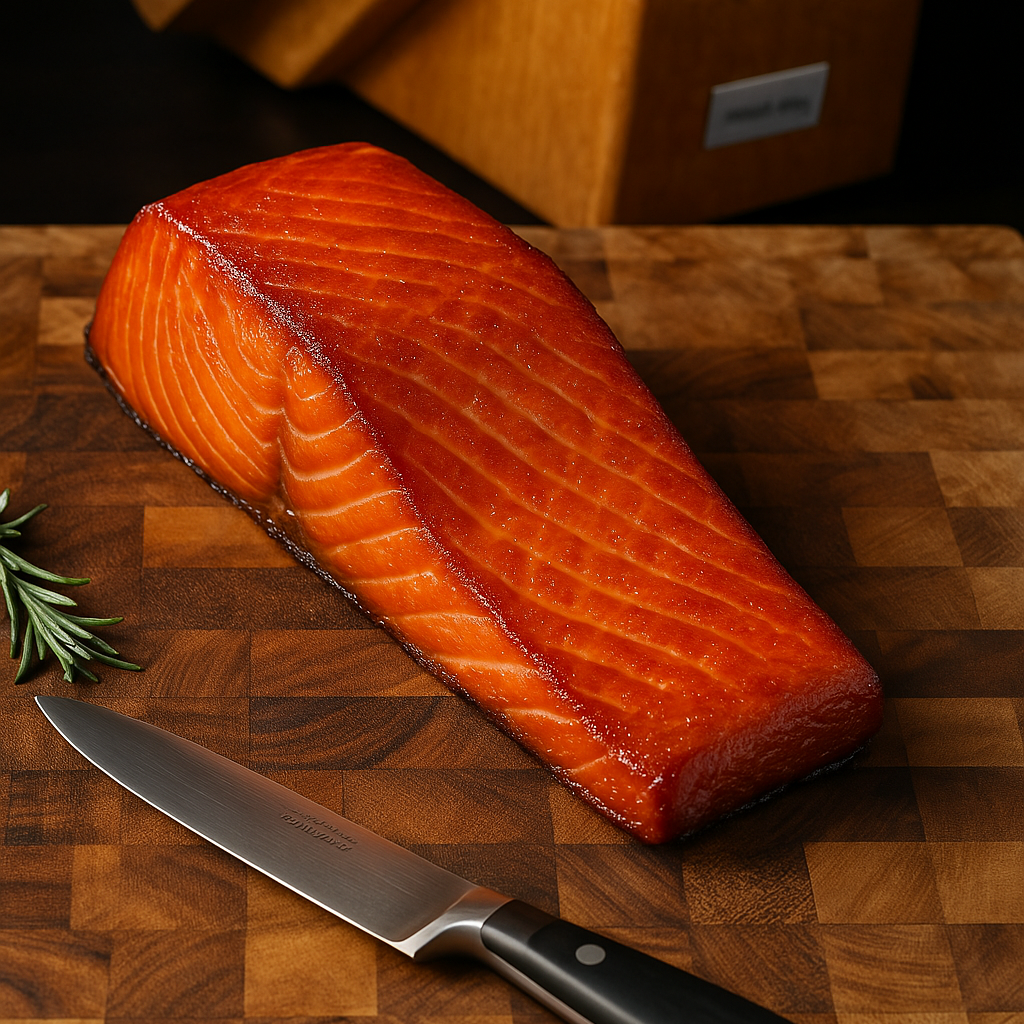
- Salmon: Rich and oily, often demands a robust accompaniment. Smoked versions enhance complexity.
- Mackerel: Bold and flavorful, works well with earthy profiles. Its oiliness balances well with acidity.
- Tuna: Meaty and versatile, suitable for various preparations. Can handle richer combinations.
Understanding these characteristics aids in making informed choices that enhance the dining experience. Each type brings unique qualities that can elevate the overall meal.
White Wines That Complement Fish Dishes
A crisp Sauvignon Blanc pairs seamlessly with a variety of seafood, enhancing the freshness of dishes like grilled shrimp or light ceviche.
- Chardonnay: An oaked version complements rich, buttery preparations such as lobster or creamy sauces, while an unoaked variant suits lighter fare like sole or flounder.
- Pino Grigio: This light and zesty option matches well with delicate white meats, especially in dishes featuring lemon or herbs.
- Albariño: A remarkable choice for dishes that include shellfish, its bright acidity balances the brininess of the ocean.
- Verdelho: Known for its tropical notes, this wine enhances spicy preparations, making it an excellent match for dishes seasoned with chili or ginger.
Each selection brings unique characteristics to the table, enhancing flavors and elevating the dining experience. Consider regional pairings, as local wines often reflect the best harmony with nearby catches.
When to Choose Red Wine with Fish
Opt for a medium-bodied option featuring moderate tannins and a fruity profile. This combination pairs well with oily varieties, such as salmon or mackerel, enhancing their flavors.
For grilled preparations, consider a choice that incorporates smoky notes. The char from grilling harmonizes beautifully, while a hint of acidity balances the dish.
When serving rich sauces, a light-bodied selection can complement without overpowering. Look for those aged in oak, which adds complexity that matches the dish’s depth.
Consider the preparation method; dishes that include herbs and spices can be paired effectively. A fruity companion can elevate the overall taste experience.
Below is a table summarizing suitable options based on fish type and preparation style:
| Fish Type | Preparation Method | Recommended Pairing |
|---|---|---|
| Salmon | Grilled | Light-bodied choice with smoky notes |
| Mackerel | Pan-seared | Medium-bodied option with fruity profile |
| Trout | Baked | Light-bodied selection aged in oak |
| Tuna | Raw (Sashimi) | Fruity, low-tannin variant |
This approach enhances the dining experience, creating an enjoyable and memorable meal. Adjust selections based on personal taste for best results.
Regional Pairing Traditions: Seafood and Wine
In coastal regions, local customs dictate specific combinations of shellfish and fermented grape beverages that enhance the dining experience. For instance, in Mediterranean cultures, crisp, citrus-forward selections often accompany grilled octopus or anchovies, highlighting the natural flavors of the ocean. The salty character of the seafood pairs harmoniously with the zesty notes of these beverages.
Italian Coastal Practices
Italy showcases diverse pairings, particularly in regions like Liguria, where fresh pesto and seafood dishes are complemented by a light, aromatic choice. On the other hand, in the Veneto region, a robust, sparkling option often accompanies risotto made with clams, creating a delightful contrast and elevating the dish’s profile.
Asian Influences
In Asian cuisines, especially Japanese, delicate preparations such as sashimi invite a refreshing, nuanced beverage that emphasizes the freshness of the ingredients. A clean, mineral-driven option typically enhances the umami of fresh tuna or salmon, creating a seamless balance. Similarly, the rich flavors found in Thai or Vietnamese seafood dishes often harmonize well with slightly sweeter alternatives, providing a refreshing counterpoint to the spices.
Avoiding Common Wine Pairing Mistakes
Choosing the right beverage to accompany seafood can be challenging. One common error is assuming all types of marine fare pair exclusively with lighter or heavier options. It’s vital to recognize the nuances in flavor profiles. For instance, oily species such as salmon may harmonize beautifully with certain full-bodied beverages, contrary to the common perception.
Overlooking Flavor Profiles
Analyzing the flavors of the dish is essential. A delicate preparation, like poached cod, requires a more subtle choice, while a spicy preparation, such as blackened catfish, can handle a bolder option. Here’s a quick reference for flavor compatibility:
| Type of Seafood | Recommended Pairing |
|---|---|
| White Fish | Crisp and light beverages |
| Oily Fish | Rich and aromatic selections |
| Shellfish | Bright and zesty choices |
Ignoring Accompaniments
Another frequent oversight is disregarding the accompanying ingredients. Sauces, seasonings, and sides play a pivotal role in the overall taste experience. A creamy sauce can shift the balance, allowing for a more robust selection. Be mindful of herbal or spicy elements that may alter the ideal pairing.
Serving Temperature: How It Affects Flavor
Optimal temperature significantly enhances the tasting experience. For chilled whites, a range of 45-55°F (7-13°C) allows the delicate aromas to emerge, balancing acidity and refreshing notes. For instance, Sauvignon Blanc and Pinot Grigio thrive at these cooler temperatures, showcasing their crisp characteristics.
In comparison, slightly warmer temperatures, around 55-65°F (13-18°C), can be beneficial for fuller-bodied options. This range allows the complexity of flavors to unfold, particularly in more robust selections like Chardonnay or certain skin-contact varieties. The nuances of fruit and oak can be better appreciated as warmth opens up the bouquet.
Impact on Flavor Profiles
Serving temperature can alter the perception of sweetness and acidity. Cooler conditions tend to emphasize freshness and crispness, while warmth can soften acidity, making flavors rounder and richer. Thus, selecting the right temperature not only enhances enjoyment but also accentuates specific attributes in the glass.
In practical terms, a quick chill can be achieved by placing the bottle in an ice bath for about 20 minutes. Conversely, allowing a robust selection to breathe at room temperature for a short period can lead to a more satisfying tasting experience. Balancing these aspects is key to achieving the desired flavor profile.