
 Chuck Furuya
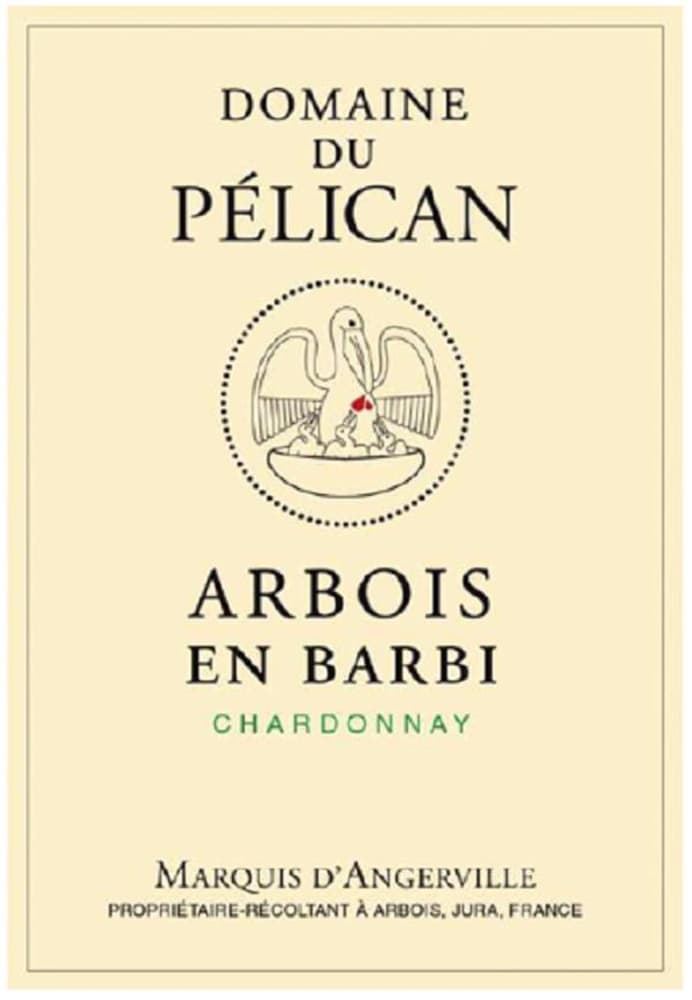
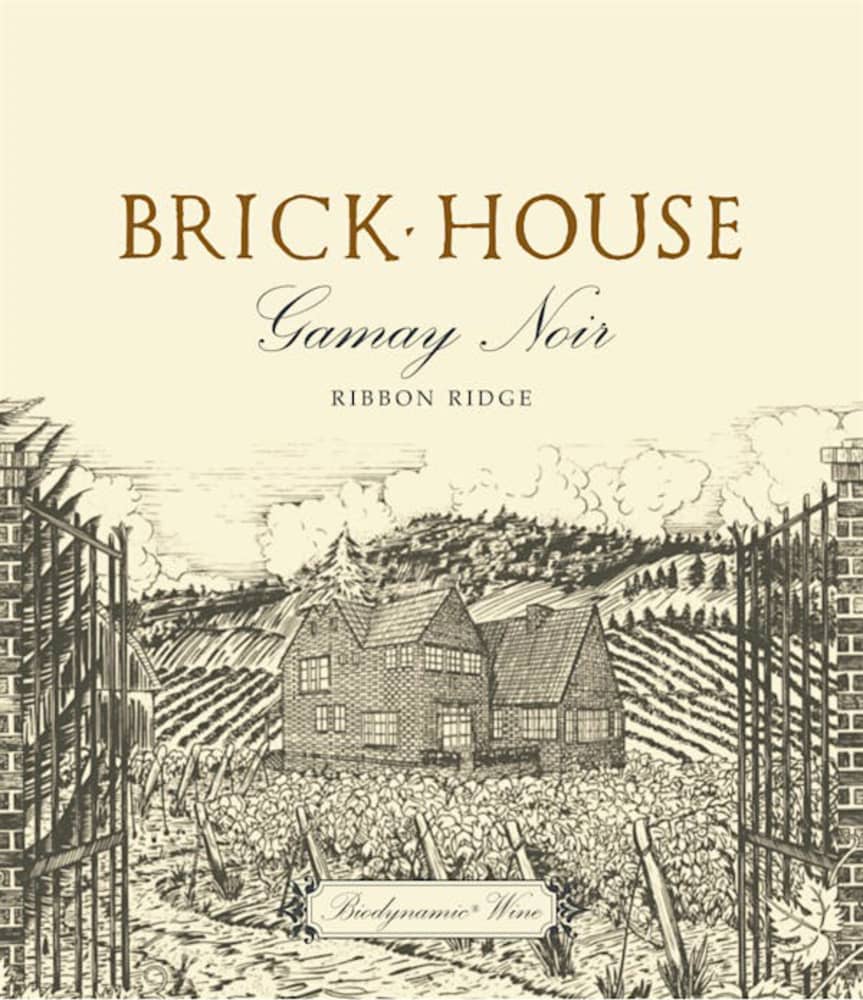
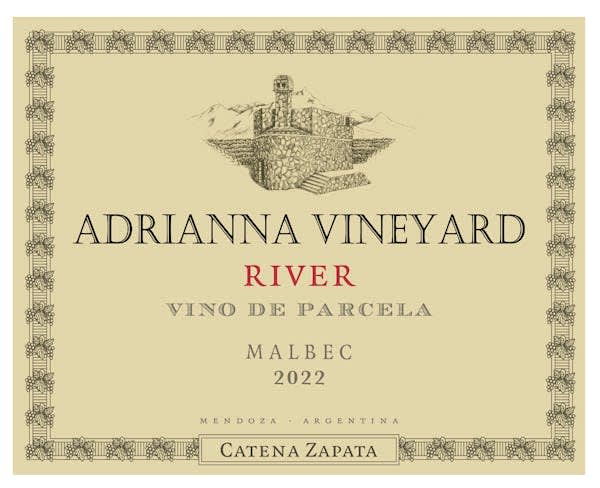
I recommend examining the role of grape varieties and skin contact in determining the appearance of fermented beverages. The primary factor lies in the pigments found in the skins of specific grapes. For instance, varieties like Chardonnay possess minimal pigmentation, leading to a lighter hue, while Cabernet Sauvignon boasts a deeper color due to its rich anthocyanin content.
Another crucial aspect involves the fermentation process. When the skins of darker grapes are included during fermentation, their pigments leach into the liquid, resulting in a more intense coloration. Conversely, the absence of skin contact during the fermentation of paler grapes results in a clear or light-straw colored liquid. This technique significantly influences the final product’s aesthetic appeal.
Additionally, the aging process can alter the visual characteristics of these beverages. Exposure to oxygen during maturation can lead to color changes; lighter varieties may take on a deeper tone, while darker ones can soften and develop a more subdued appearance. Understanding these factors will enhance appreciation for the complexities of these unique fermented beverages.

Understanding the Distinction between Light and Dark Varietals
The color of a beverage derived from fermented grapes hinges on the skin contact during fermentation. For lighter varietals, the grapes are often pressed quickly, separating the juice from the skins early in the process. This minimal exposure to the grape skins, which contain pigments, results in a pale hue. The choice of grape variety also plays a significant role; varieties such as Chardonnay or Sauvignon Blanc yield a clear, bright liquid.
Conversely, darker varietals undergo extended skin contact, allowing the juice to absorb the rich pigments present in the skins. This process not only imparts a deeper color but also enhances flavor complexity. Grapes like Cabernet Sauvignon and Merlot are prime examples, with their skins contributing to the intense ruby or garnet tones.
Key Factors Influencing Color
| Factor | Description |
|---|---|
| Skin Contact Duration | Longer contact leads to deeper colors in darker varietals. |
| Grape Variety | Specific varieties naturally possess different pigment levels. |
| Fermentation Techniques | Methods applied during fermentation can alter color extraction. |
| Aging Process | Time spent in barrels or bottles can influence color perception. |
Ultimately, the interplay of these factors results in the striking visual differences between lighter and darker grape beverages, each offering unique tasting experiences that reflect their origins and production methods.
The Role of Grape Varieties in Wine Color
Focus on specific grape varieties to understand their impact on color. For example, Chardonnay, often associated with lighter hues, tends to produce a pale yellow appearance due to its thin skin and low pigment concentration. In contrast, Cabernet Sauvignon, known for deeper shades, features thicker skin loaded with anthocyanins, which contributes significantly to the darker profile.
Consider the influence of climate and terroir on these varieties. Grapes grown in warmer regions typically ripen more fully, leading to richer colors. For instance, Syrah from hotter climates exhibits intense purple tones, while the same variety from cooler regions may show a lighter shade.
Some varietals, like Pinot Noir, are known for their versatility. The color can range from light ruby to deeper garnet, often influenced by vinification techniques. Using whole clusters or varying maceration times can further alter the final hue.
Skin contact during fermentation plays a pivotal role as well. For example, orange wines, made from white varietals with extended skin contact, showcase a unique amber color, highlighting the importance of winemaking decisions in determining appearance.
Pay attention to blending practices. Winemakers may combine different varieties to achieve a desired color profile. A blend of Merlot and Cabernet Sauvignon can produce wines with varying depths of color, depending on the proportions used.
Lastly, keep in mind that aging affects color. Over time, red varietals may develop brick-red tones, while whites may take on golden hues, reflecting the evolution of the grapes and their characteristics.
Impact of Skin Contact During Fermentation
Skin contact during fermentation significantly influences both color and flavor profiles. For optimal results, I recommend varying the duration of skin contact based on grape variety and desired outcome.
Here are key points to consider:
- Extended Maceration: Allowing skins to remain in contact for longer periods results in deeper hues and enhanced tannin extraction. This is particularly effective with thicker-skinned grapes.
- Short Maceration: Reducing skin contact can lead to lighter shades and a fresher taste, which works well with varietals that have delicate flavors.
- Temperature Control: Higher fermentation temperatures can extract more color and tannins. Monitoring the temperature is crucial to avoid overwhelming the palate with astringency.
- Pressing Techniques: The timing of pressing influences the final product. Early pressing limits skin exposure, resulting in a cleaner and crisper profile.
Experimenting with these factors during fermentation allows for tailored outcomes, enhancing both aroma and taste. For instance, I often try different combinations of skin contact duration and fermentation methods to achieve distinct character profiles.
In conclusion, the approach to skin contact can transform a basic fermentation into a nuanced and expressive beverage, reflecting specific terroirs and varietal traits. Regular tasting during the process ensures alignment with intended flavor goals.
How Winemaking Techniques Influence Wine Color
To achieve distinct hues in fermented grape beverages, various methods are employed during the production process. One key technique involves the choice of fermentation vessels. Using stainless steel typically results in lighter, crisper shades, while oak barrels can impart deeper tones and complexity due to the interaction with the wood.
Temperature control during fermentation plays a significant role as well. Cooler temperatures are often used for lighter varieties, preserving freshness and brightness, while warmer fermentation can lead to richer, more intense colors.
Additionally, the length of maceration, the period during which the juice is in contact with grape skins, significantly affects color extraction. Extended skin contact enriches the liquid with pigments, enhancing the final appearance and depth of flavor.
Another factor is the addition of sulfur dioxide at different points in the process. This can stabilize colors, particularly in lighter styles, preventing browning and maintaining clarity.
Blending techniques also contribute to the final color profile. Combining juices from different grape varieties or vintages allows for a tailored approach to achieving the desired color, balancing shades for a more harmonious product.
Lastly, filtration and fining methods can alter the final appearance. Gentle handling preserves the natural pigments, while aggressive filtration might strip some of the color intensity, affecting the visual appeal of the final product.
The Effect of Aging on Wine Color
Aging significantly alters the hue of fermented grape beverages. Over time, chemical reactions occur, influencing the appearance of these drinks.
For instance, oxidative processes can lead to color changes in both styles. The introduction of oxygen during maturation can darken the liquid, shifting it from a bright tone to deeper shades.
Here are specific effects of aging:
- Oxidation: Exposure to oxygen can enhance the golden hues in certain varieties, while reds may evolve into brick or tawny colors.
- Polymerization: Tannins and anthocyanins combine over time, resulting in a gradual softening of the color intensity, particularly in darker varieties.
- Precipitation: Sediments form as compounds settle, potentially clarifying the drink while affecting visual appeal.
- Temperature Influence: Storage conditions, especially heat, can accelerate aging effects, leading to premature color changes.
Regularly evaluating the appearance during the aging process helps in understanding these transformations and predicting the final characteristics of the product. Mastery of this aspect can enhance decision-making regarding optimal aging durations and conditions.
Understanding the Role of Tannins in Red Wine
Tannins contribute significantly to the character and structure of darker varietals. Extracted primarily from grape skins, seeds, and stems during fermentation, these compounds impart astringency, which can enhance the mouthfeel and complexity of the beverage.
When selecting a bottle, I often consider the tannin level. High tannin concentrations can indicate a wine that may benefit from aging, as the astringency softens over time, allowing flavors to integrate harmoniously. For immediate enjoyment, I prefer choices with moderate tannins, which offer a balanced drinking experience.
Tannins also play a role in the aging process. As a vintage matures, the polymerization of tannins occurs, leading to a smoother palate and a refined profile. This transformation enhances the overall bouquet and can elevate the wine’s complexity.
Food pairings can be influenced by tannin levels as well. Rich dishes, such as grilled meats or hearty stews, often complement high-tannin selections, while lighter fare may work better with those having lower tannin content. Understanding this interplay enhances the overall tasting experience.
In essence, I find that the presence and quality of tannins are crucial in defining the overall enjoyment of darker varietals, shaping both their aging potential and food compatibility.


