Chuck Furuya


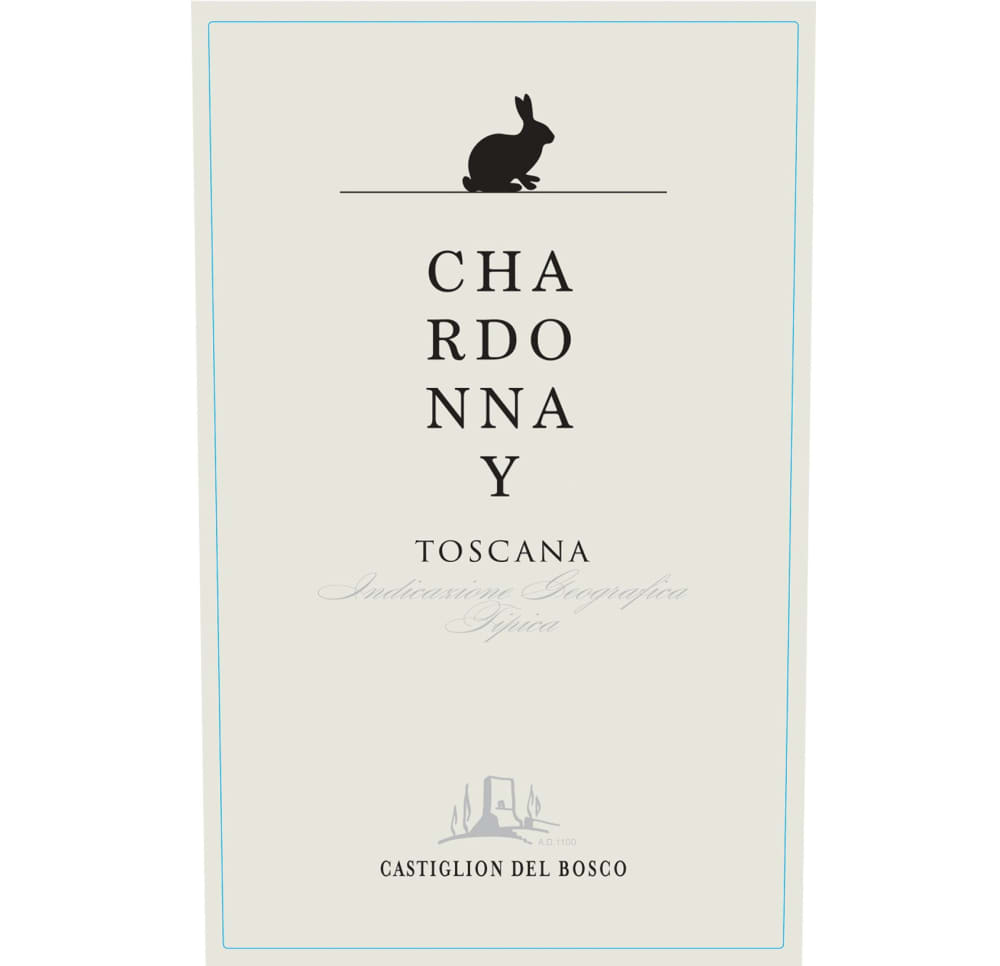
To preserve freshness, refrigerate your opened bottle promptly. Keeping it chilled slows down oxidation, maintaining its flavor profile. A simple cork or a wine stopper can help seal the bottle, but it’s advisable to use a vacuum pump for better results.
Utilize your remaining beverage creatively. Incorporate it into sauces, marinades, or even desserts. For instance, a splash of leftover liquid can enhance the flavor of risottos or be used in a poaching liquid for fruits.
Consider sharing the remaining contents with friends during a casual gathering. This not only reduces waste but also encourages tasting and discussing different profiles. Alternatively, host a small tasting session to explore various combinations with cheeses or light dishes.
Lastly, be mindful of the time. Consume the contents within three to five days for optimal taste, as even with proper storage, flavors can diminish over time. Enjoying your opened bottle can be just as rewarding as the initial experience.
How to Properly Store Opened Bottles
To maintain optimal freshness, keep your opened bottle upright. This minimizes the surface area exposed to air, reducing oxidation.
Temperature Control
Store in a cool environment, ideally between 45°F and 50°F (7°C to 10°C). Avoid placing it in direct sunlight or near heat sources, as temperature fluctuations can spoil the flavor.
Sealing Techniques
Use a vacuum pump to remove air, or reinsert the original cork to limit exposure to oxygen. Specialized stoppers are also available, designed to create a tighter seal. Additionally, consider using a wine preservation system that injects inert gas.
Consume within three to five days for best taste. Check for any off smells or flavors before pouring a glass.
Best methods to preserve freshness
I recommend using a vacuum pump to remove air from the bottle. This helps slow down oxidation, which can diminish flavor. Simply insert the provided stopper and pump until you feel resistance.
Another effective technique involves utilizing inert gas wine preservers. These products create a protective layer over the liquid, preventing exposure to oxygen. Just spray a small amount into the bottle before sealing it.
Consider transferring remaining liquid into a smaller container. This minimizes air space, reducing oxidation. Ensure the new bottle is airtight for optimal storage.
Storing in a cooler environment also plays a significant role. Aim for temperatures between 45°F and 50°F. This temperature range can help maintain the quality of the beverage for a longer period.
For longer preservation, refrigeration is key. Keeping the bottle in the fridge slows down the chemical processes that can lead to spoilage. Remember to allow it to warm slightly before serving for the best taste experience.
Signs That Opened Beverage Has Gone Bad
I rely on my senses to determine if an opened bottle has spoiled. Here are the key indicators I look for:
Visual Changes
Observe the liquid for any unusual cloudiness or sediment. Fresh varieties should be clear. If I see a film or particles floating, it’s a sign of spoilage.
Smell and Taste
Sniff the contents. A pungent or vinegar-like aroma signals oxidation. If the flavor is sour or overly bitter, it has likely turned. A fresh sip should be crisp and refreshing.
| Indicator | What It Means |
|---|---|
| Cloudiness | Possible spoilage or bacterial growth |
| Unpleasant odor | Oxidation or contamination |
| Sour taste | Fermentation process has started |
| Film or sediment | Signs of spoilage |
Regularly checking these factors helps ensure I enjoy only the best flavors from my opened bottles. If any signs appear, it’s best to discard the liquid to avoid an unpleasant experience.
Creative Ways to Use Leftover White Wine in Cooking
Incorporating opened bottles into dishes enhances flavors and reduces waste. Here are some inventive methods to utilize that remaining liquid.
1. Sauces and Marinades
- Add to pan sauces for poultry or seafood, enriching the taste.
- Create a marinade with herbs, garlic, and citrus for meats.
- Combine with cream or butter to make a luscious sauce for pasta.
2. Risotto and Grains
- Use instead of broth in risotto for a richer flavor profile.
- Incorporate into quinoa or couscous for a subtle acidity.
3. Soups and Stews
- Deglaze pots after sautéing vegetables to add depth to soups.
- Include in stews to tenderize meat and brighten the dish.
4. Baking and Desserts
- Incorporate into cake batters for added moisture and flavor.
- Reduce for a syrup to drizzle over desserts like ice cream or fruits.
Using that leftover liquid creatively not only enhances meals but also prevents waste. Enjoy experimenting with these ideas!
Pairing Opened Chardonnay, Sauvignon Blanc, or Pinot Grigio with Food
To enhance flavors in dishes, I recommend pairing recently unsealed Chardonnay, Sauvignon Blanc, or Pinot Grigio with complementary foods. For example, a chilled Chardonnay works beautifully with roasted chicken or creamy pasta dishes, as its buttery notes harmonize with the richness of the meal.
Seafood and Salads
Sauvignon Blanc shines alongside fresh seafood, such as grilled shrimp or scallops, due to its crisp acidity. I also enjoy it paired with citrusy salads featuring vinaigrettes, which accentuate the wine’s bright character.
Cheese and Charcuterie
For cheese boards, consider using Pinot Grigio. Its light body pairs well with soft cheeses like Brie or goat cheese. I often include a variety of cured meats, as the wine’s crispness cuts through the richness, creating a balanced tasting experience.
Experimenting with these combinations not only enhances the enjoyment of opened bottles, but also minimizes waste, ensuring every drop is savored.
Tips for Enjoying Opened White Wine at a Later Date
To maintain the best flavor profile, consume the remaining liquid within three to five days. I prefer using a vacuum pump to remove excess air from the bottle, which helps slow down oxidation. This method can extend the enjoyment period significantly.
Revisit the Temperature
Before tasting again, make sure to chill the beverage appropriately. A temperature around 45-50°F (7-10°C) enhances the aromatic characteristics. I often place the bottle in an ice bucket for a quick chill if I’ve forgotten to refrigerate it.
Alternative Serving Ideas
If the taste has changed, I sometimes opt for creative options. Mixing the liquid into a sparkling beverage creates a refreshing spritzer. Adding fruit slices can also elevate the experience while masking any subtle off-flavors. Additionally, consider using it in cocktails for a unique twist.
I also enjoy pairing the leftover liquid with light appetizers like shrimp cocktails or fresh salads. The combination can bring out hidden flavors in both the dish and the drink.
Finally, if I find myself with a bottle that has slightly faded, I often use it for cooking. It can enhance sauces, risottos, or marinades, imparting depth even if the original taste isn’t as vibrant.
How to Repurpose Empty Bottles Creatively
Transforming empty vessels into functional or decorative items adds a personal touch to any space. Here are some creative ideas:
- Planters: Cut the bottle in half or use it whole for a unique plant holder. Fill with soil and your favorite herbs or succulents.
- Candle Holders: Place a tapered candle in the neck of the bottle or use fairy lights inside for a cozy glow.
- Home Décor: Paint or wrap bottles in twine for a rustic look. Cluster them together for an eye-catching centerpiece.
- Serving Dispenser: Fill with olive oil or vinegar, and use as a stylish kitchen dispenser.
- Watering Can: Puncture holes in the cap for a DIY watering can. Perfect for indoor plants.
- Artwork: Create a colorful display by filling bottles with sand, beads, or colored water.
- Bird Feeder: Make a simple feeder by inserting wooden skewers for birds to perch on, while filling the bottle with birdseed.
These ideas not only reduce waste but also allow for creativity in home styling. Each project can be customized to fit personal aesthetics and needs.
FAQ:
What should I do with leftover white wine after opening?
If you have leftover white wine, the best approach is to re-cork it and store it in the refrigerator. White wine can typically last for 3 to 5 days after opening, especially when kept cool. Make sure to seal it tightly to minimize exposure to air, which can spoil the wine more quickly.
Can I freeze white wine after opening?
Yes, you can freeze white wine. Pour it into an ice cube tray to create wine cubes that can be used later for cooking or adding to sauces. However, it’s important to note that the texture may change, and it may not be suitable for drinking after freezing.
How can I tell if opened white wine has gone bad?
Opened white wine may go bad if it develops an off smell, such as a vinegar-like odor, or if it tastes sour. You might also notice a change in color or clarity. If the wine smells or tastes unpleasant, it’s best to discard it rather than consume it.
What is the best way to store opened white wine?
The ideal way to store opened white wine is to keep it in the refrigerator with the cork replaced. If you have a wine stopper, using one can help maintain the wine’s freshness. Storing it upright minimizes oxidation, but laying it on its side can also work if you ensure it’s sealed well.
Can I use opened white wine for cooking after a few days?
Absolutely! Opened white wine can still be used for cooking even after a few days, as long as it hasn’t spoiled. It’s great for deglazing pans, making sauces, or enhancing the flavor of dishes. Just give it a taste to ensure it’s still good before using it in your recipes.
What should I do with my opened white wine to keep it fresh?
To maintain the freshness of your opened white wine, it’s best to re-cork the bottle securely. If possible, use a wine stopper that creates an airtight seal. Store the bottle upright in the refrigerator, as cooler temperatures help slow down the oxidation process. It’s advisable to consume the wine within three to five days after opening for the best taste.
Can I freeze white wine after opening it?
Yes, you can freeze opened white wine, but it’s important to remember that the texture and flavor may change once thawed. Pour the wine into an ice cube tray or a freezer-safe container, leaving space for expansion. This method works well if you plan to use the wine later for cooking or making sauces. However, for drinking, it’s recommended to consume it fresh.
How can I tell if my opened white wine has gone bad?
Opened white wine can spoil, and there are a few signs to look for. If the wine has developed an off smell, such as vinegar or a musty odor, it’s likely no longer good. Additionally, if the color has changed significantly or if you see any sediment that wasn’t there before, these can be indicators of spoilage. Tasting a small amount can also help; if it tastes flat or sour, it’s best to discard it.
What are some creative ways to use leftover white wine?
Leftover white wine can be creatively used in various ways. You can use it for cooking by adding it to sauces, stews, or marinades to enhance flavor. White wine can also be used in salad dressings, risottos, or even for poaching fruits. If you’re feeling adventurous, consider making a wine spritzer by mixing it with sparkling water and a splash of fruit juice for a refreshing drink.