Chuck Furuya

For the best preservation of light varietals, a range between 45°F to 50°F is ideal. This temperature ensures that the delicate flavors are maintained while allowing the aromas to develop fully.
Maintaining a stable environment is equally important. Fluctuations can adversely affect the quality, so a consistent climate control is recommended. Avoid positions near heat sources or in direct sunlight, as these can raise the internal temperature and deteriorate the beverage’s integrity.
Humidity levels should be monitored as well, ideally kept around 50% to 70%. This prevents corks from drying out and allows for optimal aging. A dedicated unit is often beneficial for achieving these precise conditions, ensuring that each bottle is ready for enjoyment at any time.
Optimal Conditions for Chilling Your Beverage
For ideal enjoyment, I recommend keeping your chilled beverage at a range of 45°F to 55°F (7°C to 13°C). This temperature range allows the drink to express its flavors and aromas effectively.
Factors such as the type of varietal can influence the specific temperature within this range. For instance, lighter types like Sauvignon Blanc and Pinot Grigio benefit from being served closer to the lower end, around 45°F. On the other hand, fuller-bodied options such as Chardonnay can be enjoyed at higher temperatures, around 50°F to 55°F.
To ensure consistent cooling, consider using a dual-zone system. This allows for separate compartments, accommodating different varieties while maintaining their ideal serving conditions.
Here’s a concise overview of temperature preferences for various styles:
| Type | Recommended Range (°F) |
|---|---|
| Sauvignon Blanc | 45-50 |
| Pinot Grigio | 45-50 |
| Chardonnay | 50-55 |
| Riesling | 45-50 |
| Gewürztraminer | 50-55 |
By adhering to these guidelines, I ensure that my preferred choices remain at their peak, enhancing the overall tasting experience.
Ideal Serving Temperature for Different Varieties
For optimal enjoyment, I serve Sauvignon Blanc between 45°F and 50°F (7°C to 10°C). This range highlights its crisp acidity and herbal notes, making each sip refreshing.
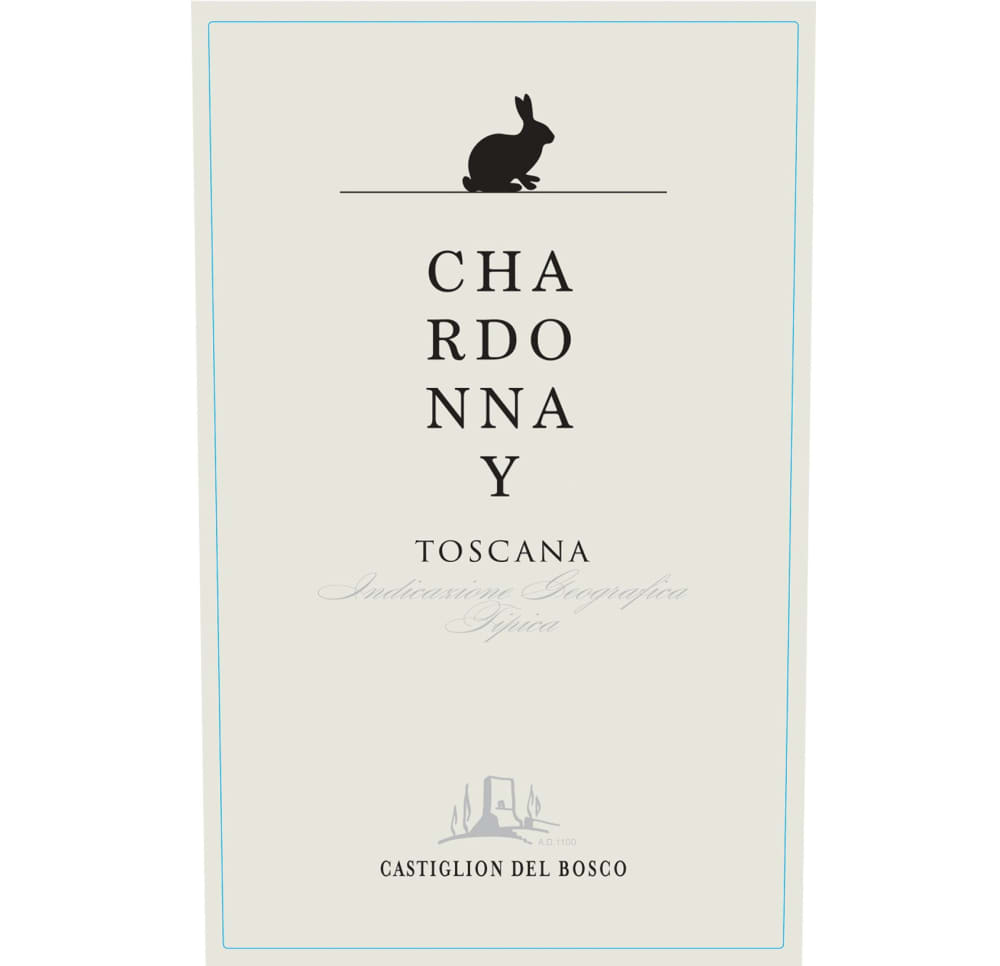
Chardonnay, particularly oaked versions, benefit from a slightly warmer range of 50°F to 55°F (10°C to 13°C). This allows the complex flavors of butter and vanilla to unfold beautifully.
Light and Aromatic Varieties
Serving Pinot Grigio at 45°F to 50°F (7°C to 10°C) accentuates its light body and fruity character. For Riesling, a range of 45°F to 50°F (7°C to 10°C) works wonders, especially for sweeter styles, ensuring the balance of sweetness and acidity is preserved.
Full-Bodied Options
For Viognier, a slightly warmer temperature of 50°F to 55°F (10°C to 13°C) enhances its floral and stone fruit aromas. I find that serving Gewürztraminer at 50°F to 55°F (10°C to 13°C) showcases its aromatic profile and spiciness effectively.
By keeping these specific serving ranges in mind, I enhance the tasting experience for each unique variety. Adjusting the chill level based on the type can significantly impact the overall enjoyment.
Impact of Temperature on White Wine Flavor Profile
Maintaining optimal conditions significantly influences the flavor nuances of chilled beverages. For instance, serving at 45°F to 50°F (7°C to 10°C) accentuates the crispness and acidity, enhancing the refreshing qualities of lighter varietals like Sauvignon Blanc and Pinot Grigio.
Conversely, temperatures above 55°F (13°C) can diminish the freshness and vibrancy, leading to a perception of flatness. This is particularly true for delicate aromas that are often characteristic of whites. Higher heat can also obscure the subtle notes, such as floral or citrus hints, making them less distinguishable.
Here are some key effects based on the temperature range:
- 45°F – 50°F (7°C – 10°C): Ideal for aromatic whites; flavors remain bright and lively.
- 50°F – 55°F (10°C – 13°C): Suitable for fuller-bodied selections; allows for a balance between fruitiness and acidity.
- Above 55°F (13°C): Risks flattening the profile; intricate characteristics may become muted.
In summary, precise management of these conditions can profoundly affect the enjoyment and sensory experience of chilled beverages. Adjusting the environment to suit the specific variety can unlock the full spectrum of aromas and flavors, elevating overall appreciation.
How to Adjust Temperature Settings in Your Wine Cooler
To achieve optimal conditions for your collection, I recommend setting the cooling unit between 45°F and 55°F. This range ensures that the diverse profiles of different varietals are preserved effectively.
Here’s a step-by-step guide to fine-tuning the settings:
- Locate the control panel, usually found on the front or top of the unit.
- Identify the current temperature reading displayed. If it’s not within the desired range, proceed to the next step.
- Use the up and down buttons to adjust the setting. Press until the desired degree is reached.
- Allow the unit to stabilize for at least 24 hours before retesting the internal climate.
- Check the temperature again using an external thermometer for accuracy.
For precise management, consider the following tips:
- Regularly monitor the internal environment, especially during seasonal changes.
- Avoid placing the cooler in direct sunlight or near heat sources, as this can affect its performance.
- Keep the door closed as much as possible to maintain consistent conditions.
By following these steps, I ensure that my beverages are always ready to be enjoyed at their best.