Chuck Furuya

For the best enjoyment of light-colored varietals, I recommend setting the cooling unit to a range of 45°F to 50°F (7°C to 10°C). This temperature allows the delicate flavors and aromas to shine, ensuring a refreshing experience.
Serving chilled at these temperatures enhances the crispness and acidity, which are hallmark traits of these beverages. If slightly warmer, around 50°F to 55°F (10°C to 13°C), can also be appropriate for fuller-bodied varietals, allowing the complexity to emerge without overwhelming the palate.
Consider the specific style of the beverage as well. For example, sparkling options benefit from a colder setting, while richer, oaked varieties can be slightly warmer to display their character. Adjusting the cooling settings according to the specific drink type maximizes enjoyment and highlights unique tasting notes.
Optimal Serving Conditions for Light-Colored Vintages
I’ve found that the ideal serving range for these beverages lies between 45°F to 55°F (7°C to 13°C). This range enhances the refreshing qualities and allows the intricate flavors to shine.
For sparkling and fruity varieties, aim for the lower end of this scale, around 45°F (7°C). This chill accentuates their crispness. As for fuller-bodied selections, a slightly warmer setting, closer to 55°F (13°C), works best to reveal their complexities.
Here’s a quick reference table to help you choose the right setting:
| Type | Recommended Range (°F) | Recommended Range (°C) |
|---|---|---|
| Sparkling | 45 – 50 | 7 – 10 |
| Crisp Whites | 45 – 50 | 7 – 10 |
| Full-Bodied Whites | 50 – 55 | 10 – 13 |
Maintaining these specific conditions will contribute significantly to the overall enjoyment of your selections. Adjustments might be necessary based on personal preferences, but sticking within these guidelines will yield the best tasting experience.
Optimal Serving Temperature for Different White Wine Varieties
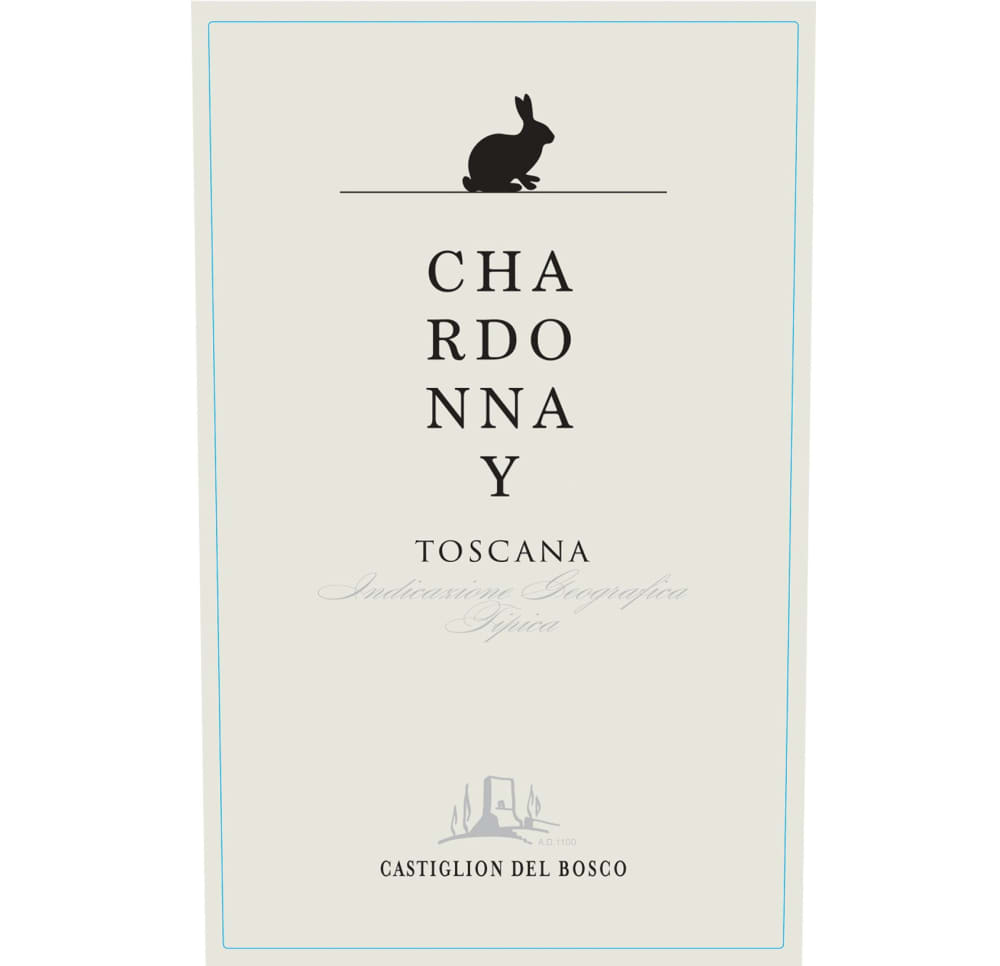
Chardonnay should be enjoyed between 50°F to 55°F (10°C to 13°C). This range enhances its rich flavors and buttery notes.
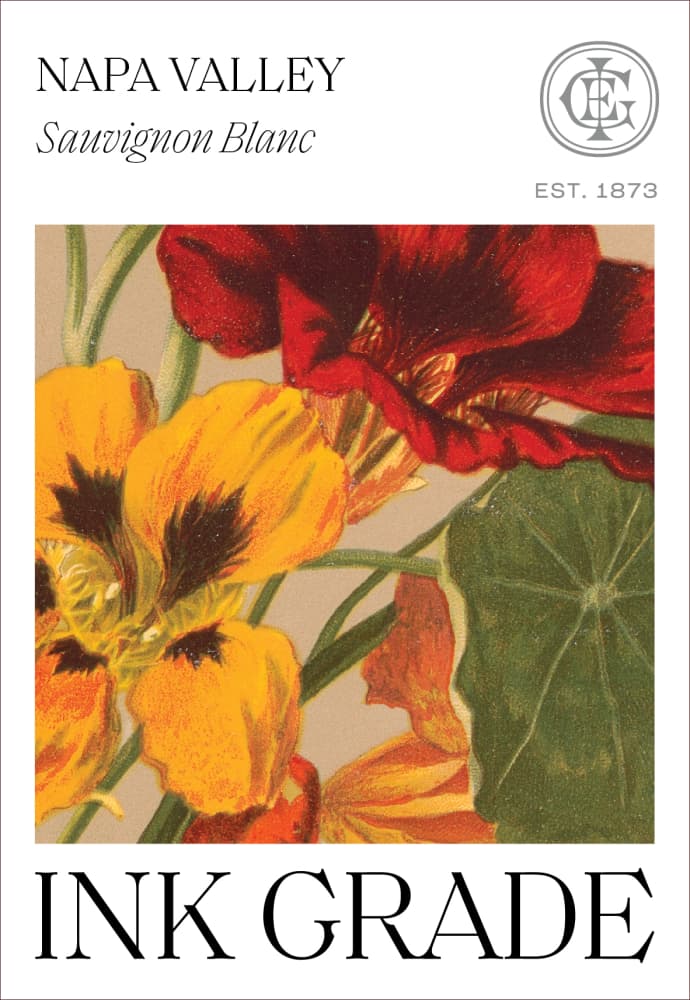
Sauvignon Blanc is best served at cooler temperatures, around 45°F to 50°F (7°C to 10°C). This preserves its crisp acidity and vibrant citrus profile.
Riesling thrives at 45°F to 50°F (7°C to 10°C) as well, allowing its floral and fruity characteristics to shine brightly.
Pinot Grigio is optimal at 50°F to 54°F (10°C to 12°C), striking a balance that showcases its refreshing qualities.
Gewürztraminer benefits from slightly warmer conditions, ideally at 50°F to 56°F (10°C to 13°C), which enhances its aromatic complexity.
For sparkling varieties like Prosecco or Champagne, serving them at 40°F to 45°F (4°C to 7°C) accentuates their effervescence and refreshing nature.
In summary, adjusting the serving environment according to each type allows for a more enjoyable tasting experience, highlighting the unique characteristics of each varietal.
How to Adjust Your Wine Cooler for Ideal White Wine Storage
Set your appliance between 45°F and 50°F (7°C to 10°C) for optimal preservation. This range ensures that the characteristics of various types of chilled beverages are maintained. Here’s how to fine-tune the setting:
Steps to Adjust Your Unit
- Check the current setting on the control panel.
- Use a thermometer to verify the actual internal conditions. Sometimes, the display doesn’t reflect the real temperature.
- Adjust the dial or digital setting to your desired level, keeping in mind the recommended range.
- Wait a few hours before checking the internal conditions again, as it takes time for the unit to stabilize after adjustment.
Additional Tips
- Regularly monitor the internal environment, especially during seasonal changes.
- Keep the appliance away from heat sources such as ovens or direct sunlight to maintain consistent conditions.
- Ensure proper airflow around the unit for efficient operation.
- Consider using a dual-zone model for versatile storage options if you also store reds.
Impact of Temperature on Flavor and Aroma
Serving chilled beverages at precise levels significantly enhances their flavors and aromas. For optimal enjoyment, I recommend keeping these drinks at around 45°F to 50°F (7°C to 10°C). This range allows the complexities of taste to shine through while maintaining necessary freshness.
Flavor Components
Different varieties exhibit unique characteristics influenced by the coldness. At lower degrees, citrus and floral notes emerge prominently. As the liquid warms, richer flavors, such as stone fruits and minerality, become more evident. This evolution is crucial for appreciating the intricate profiles.
Aroma Development
Chilling affects aroma intensity. Cooler settings can mute certain scents, while slightly warmer conditions enhance aromatic expressions. Here are some key points:
- Aromatic whites, like Sauvignon Blanc, benefit from cooler serving to retain their fresh, zesty qualities.
- Full-bodied options, such as Chardonnay, reveal layered aromas as they warm slightly.
- Experimenting with slight adjustments can lead to discovering new nuances in familiar varieties.
In summary, understanding how coldness influences both flavor and aroma allows for a more rewarding experience. Adjusting the serving conditions can reveal hidden depths in each glass.
FAQ:
What is the ideal temperature for serving white wine from a wine cooler?
The optimal temperature for serving white wine typically ranges from 45°F to 55°F (7°C to 13°C). Lighter white wines, such as Sauvignon Blanc and Pinot Grigio, are best served at the lower end of this range, around 45°F to 50°F (7°C to 10°C). Fuller-bodied whites like Chardonnay can be enjoyed at slightly warmer temperatures, around 50°F to 55°F (10°C to 13°C). Using a wine cooler set to these temperatures can enhance the flavors and aromas of the wine.
Why is temperature important for white wine in a wine cooler?
Temperature plays a significant role in the enjoyment of white wine. Serving white wine too cold can mute its flavors and aromas, making it less enjoyable. Conversely, serving it too warm can enhance the alcohol and diminish the freshness. A wine cooler helps maintain the right temperature, ensuring that the wine is served at its best. This is especially true for more delicate varieties, where temperature fluctuations can alter the tasting experience.
Can I store white wine in a wine cooler for an extended period?
Yes, a wine cooler is suitable for storing white wine for an extended period, provided it is set to the correct temperature range. White wines generally age best at a consistent temperature between 45°F and 55°F (7°C to 13°C). However, most white wines are meant to be consumed within a few years of their vintage. If you plan to store white wine for a long time, ensure that the cooler maintains stable humidity levels and avoids direct sunlight to preserve the wine’s quality.
How does the type of white wine affect the temperature at which it should be served?
The type of white wine significantly influences the ideal serving temperature. Lighter, crisper wines like Riesling and Sauvignon Blanc are best served chilled, around 45°F to 50°F (7°C to 10°C), to highlight their refreshing qualities. On the other hand, richer, oak-aged varieties like Chardonnay can be served warmer, around 50°F to 55°F (10°C to 13°C), to allow their complex flavors to shine. Understanding the specific characteristics of each wine can guide you in adjusting the temperature accordingly.
What is the best way to chill white wine in a wine cooler?
To chill white wine effectively in a wine cooler, first, set the cooler to the desired temperature within the recommended range. Place the wine bottles upright to prevent any sediment from disturbing. If you need to chill the wine quickly, you can place it in the cooler a few hours before serving. For optimal results, avoid overloading the cooler, as this can affect the temperature distribution. Monitoring the temperature with a built-in thermometer can also help ensure the wine is at the perfect serving temperature.
What is the ideal temperature for serving white wine from a wine cooler?
The ideal temperature for serving white wine generally ranges between 45°F and 55°F (7°C to 13°C). Lighter whites, such as Sauvignon Blanc and Pinot Grigio, are best served on the cooler end of this spectrum, around 45°F to 50°F. Fuller-bodied whites like Chardonnay can be enjoyed a bit warmer, around 50°F to 55°F. This temperature range helps to enhance the wine’s flavors and aromas, allowing for a more enjoyable tasting experience.