Chuck Furuya
For optimal enjoyment, I recommend allowing aromatic whites to breathe for about 30 to 60 minutes. This period enhances the bouquet and flavors, allowing the wine’s characteristics to shine.
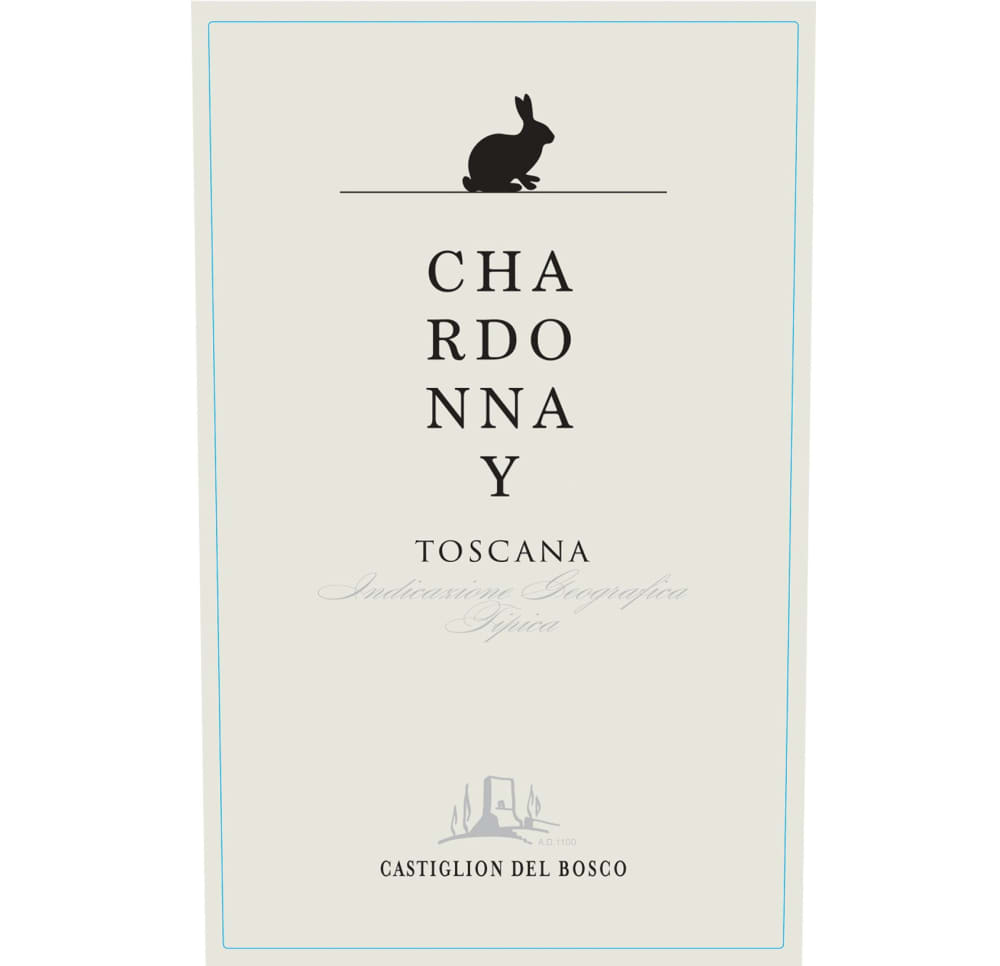
Chardonnays and Sauvignon Blancs, in particular, benefit from this exposure. During this time, the wine’s acidity softens, and the fruit notes become more pronounced, creating a harmonious balance on the palate.
In contrast, lighter styles like Pinot Grigio may require less time, around 15 to 30 minutes. This brief aeration helps to elevate the freshness without overwhelming the delicate profile.
Experimenting with different durations can lead to discovering the ideal time that suits your personal preference and enhances your tasting experience.
Recommended Time for Aerating Light Beverages
I typically suggest allowing lighter beverages to breathe for about 30 to 60 minutes. This timeframe helps in softening the flavors and enhancing the aromatic profile. For crisp varieties, such as Sauvignon Blanc or Pinot Grigio, a shorter exposure of around 30 minutes often suffices. On the other hand, fuller-bodied selections like Chardonnay can benefit from a longer aeration period, nearing the 60-minute mark.
Temperature plays a significant role as well; serving these beverages slightly chilled while aerating can maintain their refreshing qualities. If you notice a pronounced acidity or sharpness, extending the exposure can help in mellowing these characteristics.
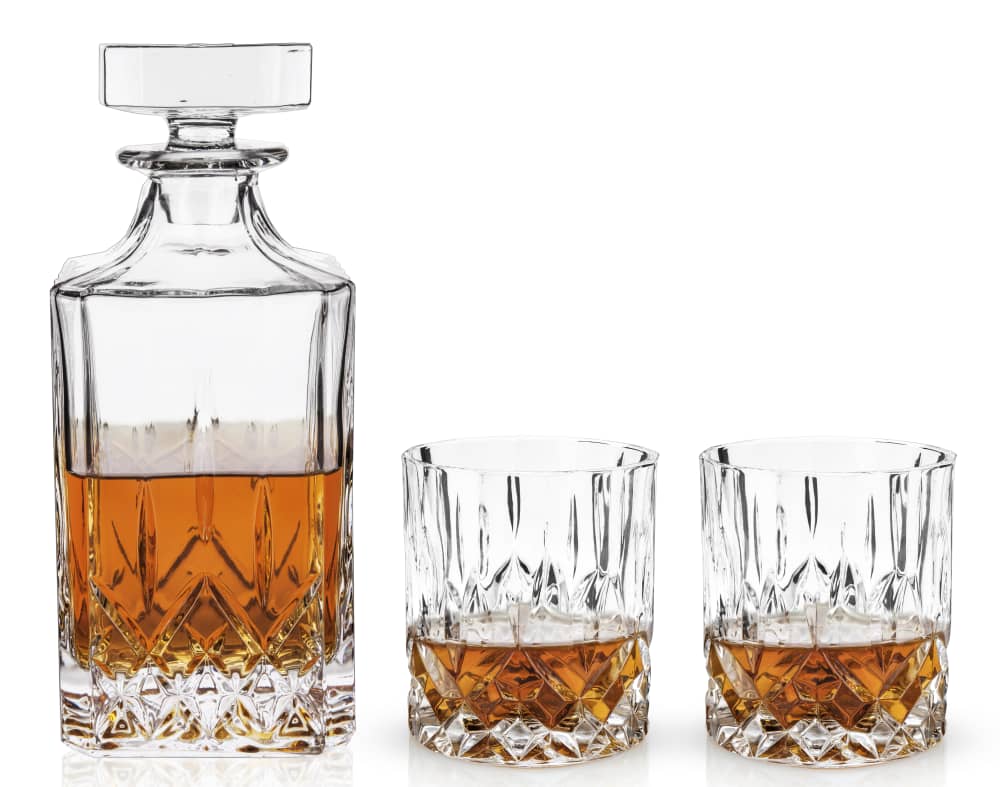
Using a wide decanter allows for increased surface area, promoting quicker aeration. I prefer to swirl the liquid gently to facilitate oxygen interaction, which can further elevate the overall experience.
Optimal Decanting Time for Different White Wine Varieties
For optimal enjoyment, consider these specific durations for various types of light beverages:
- Sauvignon Blanc: 15 to 30 minutes enhances its crispness and aromatic profile.
- Chardonnay: 30 to 45 minutes allows for the integration of flavors, especially in oaked varieties.
- Riesling: 10 to 20 minutes can help release its floral notes and acidity.
- Pinot Grigio: A quick aeration of about 15 minutes can brighten its acidity and fruitiness.
- Gewürztraminer: 20 to 30 minutes softens its spiciness and enhances aroma complexity.
Considerations for Aging
For aged selections, extend these times:
- Older Chardonnay: 45 to 60 minutes can reveal deeper layers of flavor.
- Vintage Riesling: 30 to 45 minutes enhances its nuanced character.
Serving Temperature
Adjust the serving temperature accordingly, as this can affect how flavors develop during aeration:
- Chill crisp varieties slightly more, around 45-50°F (7-10°C).
- For richer options, a temperature of 50-55°F (10-13°C) is beneficial.