Chuck Furuya
Specific vessels enhance the experience of tasting beverages. Each type of grape-based drink has unique characteristics that benefit from particular shapes and sizes. For example, a vessel designed for the deep, robust notes of a full-bodied red can accentuate its rich flavors, while a tulip-shaped option can highlight the crisp, refreshing qualities of a lighter varietal.
For those who appreciate the nuances of various libations, selecting the appropriate container is paramount. The broader bowl of a red-serving vessel allows for aeration, releasing complex aromas. Conversely, a narrower glass for a white variant preserves the drink’s chilled temperature and directs aromas toward the nose, enhancing the tasting experience.
Ultimately, the choice of drinking vessel not only influences the sensory experience but also reflects personal preferences and styles. Understanding these distinctions can elevate the enjoyment of each sip, transforming an ordinary moment into a celebration of flavor.
Impact of Glass Shape on Wine Aroma
The shape of the vessel significantly influences the aromatic experience of a beverage. A wider bowl allows for greater surface area, promoting evaporation and releasing volatile compounds that contribute to aroma. This is particularly beneficial for heavier varietals, enhancing the bouquet and allowing more complex scents to emerge.
Conical vs. Tulip-Shaped Designs
Conical designs direct aromas to the nose more effectively, making it easier to perceive subtle notes. In contrast, tulip-shaped vessels capture and concentrate fragrances, ensuring that the intricacies of the drink are not lost. Each design caters to different aromatic profiles, enhancing the overall tasting experience.
Rim Thickness and Edge Shape
The thickness of the rim and its shape can also play a role in aroma delivery. Thinner rims can create a more delicate interaction with the liquid, allowing for a smoother transfer of scents. Additionally, an angled edge can help channel aromas toward the nose, further amplifying the olfactory impact.
Temperature Considerations for Red and White Wines
Serving temperatures play a significant role in the tasting experience of different varietals. Optimal temperatures enhance flavor profiles and aroma. For optimal enjoyment, aim for the following ranges:
Recommended Serving Temperatures
| Type | Serving Temperature (°F) | Serving Temperature (°C) |
|---|---|---|
| Light-bodied Varietals | 45-50°F | 7-10°C |
| Full-bodied Varietals | 50-65°F | 10-18°C |
| High Tannin Varietals | 60-65°F | 15-18°C |
| Sweet Varietals | 45-50°F | 7-10°C |
Light-bodied selections, such as Pinot Grigio or Sauvignon Blanc, thrive at cooler temperatures, which preserve their refreshing qualities. Conversely, full-bodied selections like Chardonnay or Viognier benefit from slightly higher temperatures, allowing their complex flavors to emerge. High tannin selections, such as Cabernet Sauvignon or Syrah, are best served around room temperature to soften the tannins and enhance mouthfeel.
Temperature Impact on Flavor
Temperature influences the perception of sweetness, acidity, and bitterness. Cooler temperatures can suppress sweetness while highlighting acidity, contributing to a crisper profile. Warmer temperatures tend to amplify sweetness and reduce acidity, which can be beneficial for full-bodied varieties. Understanding these dynamics can greatly enhance the tasting experience, ensuring that each sip reveals its intended character.
Visual Presentation: Why Color Matters
Choosing the right vessel enhances the experience of savoring various types of fermented beverages. The color of a beverage significantly influences perception, affecting how aromas and flavors are interpreted.
Visual Cues and Expectations
The hue of a beverage sets the stage for what one might anticipate regarding taste and aroma. For instance:
- A deep ruby liquid often suggests bold flavors and complexity.
- A pale straw shade may indicate crispness and freshness.
These visual cues guide expectations, preparing the palate for the forthcoming experience.
Influence on Tasting Experience
Research shows that the visual aspect can alter sensory evaluations. A study found that participants rated the same beverage differently based solely on its appearance. The implications are clear:
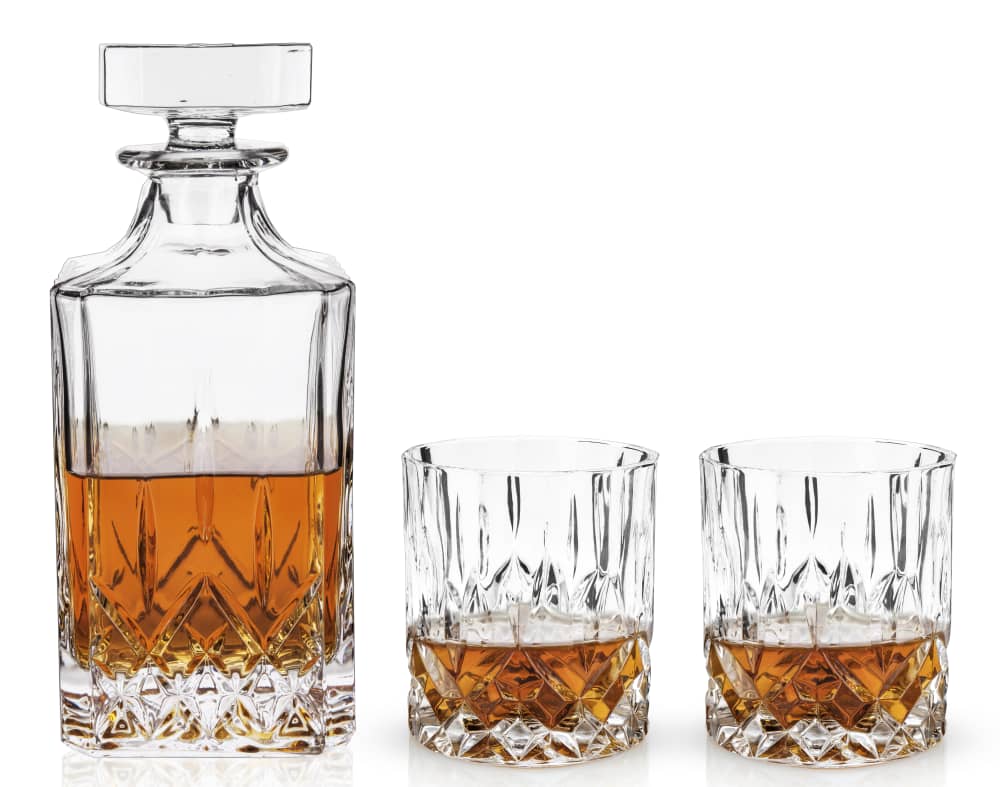
- Serving in a vessel that complements the drink’s color enhances enjoyment.
- Choosing a clear, elegant design showcases the beverage’s visual charm, enriching the overall experience.
In summary, the color of a beverage and its presentation play a pivotal role in shaping perceptions and enhancing enjoyment.
Choosing the Right Glass for Tasting Experience
Selecting the appropriate vessel significantly enhances the enjoyment of various grape varieties. The design influences how aromas are perceived and how flavors are experienced. For optimal tasting, a bowl shape allows for better aeration, while a narrower rim helps to concentrate scents. This combination elevates the overall sensory journey.
Stemmed vs. Stemless Options
Stemmed options provide a comfortable grip without affecting the liquid’s temperature. In contrast, stemless varieties are more casual, but warmth from hands can alter the tasting experience. Choosing a stemmed option often promotes a more refined approach.
Material Matters
Crystal glass enhances clarity and brilliance, allowing light to interact with the liquid. This interaction can elevate the visual appeal and bring out subtle shades. Additionally, crystal’s thin walls provide a more delicate feel, which can enhance the perception of taste. Regular glass may serve well for casual settings but lacks the finesse offered by crystal.