Chuck Furuya


For the best experience, a range of 45°F to 50°F (7°C to 10°C) is ideal for enjoying these refreshing beverages. This specific range allows the subtle flavors and aromas to shine through, enhancing the overall tasting experience.
Serving at lower temperatures can mute the complexity of aromas, while excessively warm conditions may bring out undesirable notes. To achieve the perfect chill, consider placing the bottle in an ice bath for about 20 minutes or utilizing a wine cooler for more precise control.
Utilizing a thermometer can help ensure accuracy. If you don’t have one handy, a reliable rule of thumb is to chill the bottle until it feels cold to the touch yet not icy. Enjoying these varietals at the right temperature elevates their crispness and minerality, making each sip a delightful experience.
Ideal Serving Temperature for Different Types of Dry White Wine
For optimal enjoyment, crisp and refreshing varietals like Sauvignon Blanc and Pinot Grigio are best enjoyed between 45°F and 50°F (7°C to 10°C). This range enhances their vibrant acidity and fresh fruit flavors, making each sip invigorating.

Full-Bodied Options
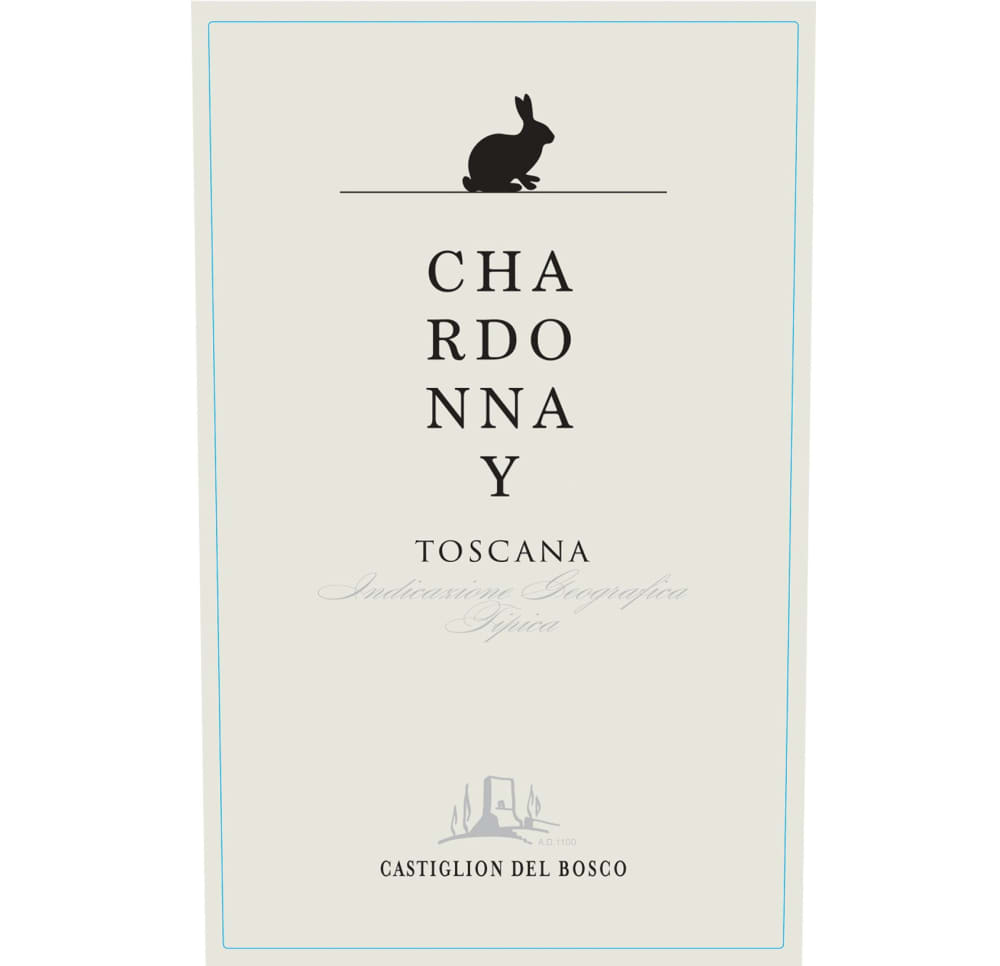
Chardonnay, especially those with oak aging, shines at a slightly warmer range of 50°F to 55°F (10°C to 13°C). This encourages the rich textures and complex flavors to unfold, allowing for a more rounded tasting experience.
Aromatic Varietals
For aromatic selections like Gewürztraminer and Riesling, a serving range of 45°F to 50°F (7°C to 10°C) is ideal. This chill accentuates their fragrant profiles while keeping the palate refreshed.
Adjusting serving conditions according to the specific variety can significantly enhance the overall tasting experience.
How Temperature Affects the Flavor Profile of Dry White Wine
Serving at 45-50°F (7-10°C) enhances the crispness and acidity of these beverages, allowing the bright fruit flavors to shine. At this range, the refreshing qualities become more pronounced, which is ideal for lighter varieties. As the serving condition approaches 55°F (13°C), the complexities begin to emerge, revealing more depth in aromas and flavors.
Flavor Changes at Different Levels
- Below 45°F (7°C): Flavors may appear muted, and aromas can be less expressive.
- 45-50°F (7-10°C): Ideal for showcasing freshness, highlighting citrus and floral notes.
- 50-55°F (10-13°C): Develops richer flavors, allowing nuances like stone fruit and minerality to surface.
- Above 55°F (13°C): Risks losing balance, with the potential for excessive alcohol perception and diminished acidity.
Choosing the Right Chill Method
Quick chilling methods, such as an ice-water bath for 20 minutes, effectively bring the liquid to the desired level. Avoid prolonged refrigeration, as it may lead to over-chilling and loss of flavor complexity.
Understanding how serving conditions impact the sensory experience can elevate enjoyment. The right conditions allow for a fuller appreciation of the crafted nuances in each bottle.
Common Mistakes in Serving Temperature for Dry White Wine
Too cold is a frequent error. Serving at extreme chill can mute aromas and flavors. A crisp Sauvignon Blanc may lose its characteristic zest, while a rich Chardonnay can appear flat. Aim for a range of 45°F to 50°F for optimal enjoyment.
Another misconception involves rapid cooling methods. Placing a bottle in the freezer for quick chilling often leads to uneven temperatures. Instead, opt for an ice bucket filled with water and ice, allowing for a more balanced approach.
Ignoring the specific varietal can lead to disappointment. Each type has its nuances; for instance, aromatic styles like Riesling thrive in slightly warmer conditions than others. Recognizing these distinctions enhances the tasting experience.
Neglecting the Pouring Technique
Poor pouring can impact perception. Filling glasses too full can trap aromas, preventing full appreciation of the wine’s bouquet. Aim to fill the glass only to the widest point, allowing space for the scents to escape.
Overlooking Glassware
The choice of glass is often underestimated. Using a wide-bowled glass can help concentrate aromas, particularly beneficial for fuller-bodied varieties. Ensure the glass is clean to avoid any residual flavors that could detract from the experience.
Best Practices for Chilling Dry White Wine Before Serving
For optimal enjoyment, placing your selection in the refrigerator for 2 to 3 hours is recommended. Alternatively, a quick chill can be achieved by submerging the bottle in an ice bucket filled with equal parts ice and water for approximately 20 to 30 minutes.
Chilling Techniques
Utilizing a wine cooler can provide a consistent and controlled environment. These devices often allow for precise adjustments, ensuring that your beverage reaches the desired coolness without risking over-chilling.
A thermometer aids in monitoring progress, ensuring the liquid reaches its ideal state. Avoid placing bottles near the freezer, as extreme cold can mute flavors and aromas, compromising the overall experience.
Serving from the Right Vessel
Choosing an appropriate glass enhances the sensory experience. Narrow, tulip-shaped glasses concentrate aromas, while wider bowls allow for better oxygenation. The material also plays a role; crystal or glass can influence perceived temperature and flavor.
| Chilling Method | Time Required |
|---|---|
| Refrigerator | 2-3 hours |
| Ice Bucket | 20-30 minutes |
| Wine Cooler | Varies (set to desired level) |
Ensuring each aspect–from chilling to glass selection–is meticulously attended to will elevate the tasting experience, bringing out the best qualities of the chosen bottle.
Tools and Techniques for Accurately Measuring Wine Temperature
Using an accurate thermometer is paramount. I recommend a digital wine thermometer for precise readings. These devices often come with a probe that can be inserted into a bottle, providing instant feedback.
- Infrared Thermometers: Ideal for quick assessments without contact. Just aim at the bottle’s surface and read the measurement.
- Thermocouples: These offer fast response times. Insert the probe into the liquid for an accurate reading.
- Wine Bottle Thermometers: These bands wrap around the bottle and change color to indicate the current state. They are handy for visual checks.
To enhance accuracy, consider the following techniques:
- Calibrate Regularly: Regularly check your thermometer against a known standard to ensure its reliability.
- Measure at the Right Time: Avoid taking readings immediately after chilling. Allow the bottle to stabilize for a few minutes before measurement.
- Positioning: Insert probes carefully to avoid touching the sides of the glass, which might cause erroneous readings.
Taking multiple readings can also increase accuracy. If possible, measure in different spots within the same bottle to gauge consistency.
Finally, record your findings. Keeping track of measurements can help in assessing preferences and improving future experiences.
Effects of Temperature on Food Pairing with Dry White Wine
Serving chilled varietals alongside specific dishes can elevate the dining experience. For instance, a crisp Sauvignon Blanc complements fresh seafood, while a slightly warmer Chardonnay can enhance creamy pasta sauces. Each variety reacts differently to various foods, influenced by its cooling effect and aromatic profile.
Temperature and Flavor Interaction
Colder options often highlight acidity and freshness, making them ideal for lighter fare such as salads and shellfish. As the temperature rises, the wine’s complexity unfolds, allowing richer flavors to emerge, which pairs well with roasted vegetables and creamy cheeses. Understanding these nuances can significantly enhance the palate experience.
Practical Pairing Suggestions
For optimal enjoyment, a Riesling served at a chill can accentuate spicy Asian dishes, while a warmer Pinot Grigio complements roasted chicken beautifully. Adjusting the serving conditions according to the dish can transform a simple meal into a culinary delight. Always consider the interplay between the wine’s characteristics and the food’s profile for a harmonious match.
Tips for Storing Dry White Wine at the Right Temperature
Keep bottles in a cool, dark place with a consistent environment, ideally between 45°F and 55°F. Fluctuations can negatively impact quality.
Avoid storage in areas prone to sunlight or heat sources, such as kitchens or near appliances. Instead, consider a dedicated wine fridge for optimal conditions.
Horizontal positioning prevents corks from drying out, ensuring a proper seal against oxidation. If using a rack, ensure it maintains stability and limits vibrations.
Monitoring humidity levels is crucial; aim for around 50-70% to prevent cork damage or mold. Use a hygrometer to track moisture in your storage area.
Regularly check for any signs of spoilage or changes in the cork’s condition. A damaged cork can lead to unwanted air exposure, harming the liquid inside.
Consider using insulated wine carriers for transporting bottles to ensure they remain within the ideal range, especially during warmer months.
Invest in a thermometer designed for wine storage to ensure accuracy. This can help maintain the right conditions, especially in non-traditional storage spaces.
Take note of the aging potential of the varietals in your collection. Certain wines may benefit from longer storage, while others are best enjoyed fresh.