Chuck Furuya

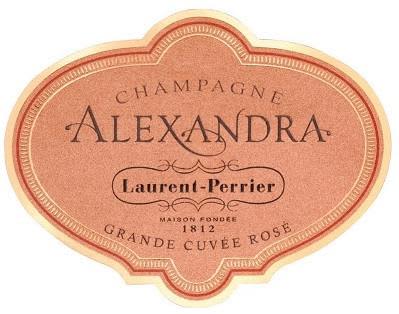


Typically, these delightful pink beverages can maintain their quality for about 1 to 3 years after bottling. Some premium selections, crafted from robust grape varieties, may even thrive for up to 5 years, developing more complex flavors over time.
Storage conditions play a significant role in this process. I recommend keeping bottles in a cool, dark place with a consistent temperature, ideally around 50-55°F (10-13°C). A humidity level of about 70% can help preserve the cork integrity and prevent oxidation.

As I explore the aging characteristics of specific types, I find that those produced with a focus on acidity and freshness often reach their peak within the first couple of years. Meanwhile, more structured styles, particularly those with oak influence, can benefit from additional time, allowing their flavors to harmonize beautifully.
Optimal Aging Period for Rosé Varieties
Generally, I find that the aging potential of pink varietals ranges from 1 to 3 years. Some exceptional bottles, particularly those crafted from high-quality grapes or with specific winemaking techniques, may last up to 5 years.
Factors influencing this timeline include:
- Acidity: Higher acidity can enhance longevity, allowing for a more extended maturation period.
- Alcohol Level: A higher alcohol content often correlates with better aging potential.
- Closure Type: Bottles sealed with corks may age differently compared to screw caps, often leading to varied outcomes.
- Storage Conditions: Consistent temperature and humidity play a crucial role in the preservation of flavors and aromas.
As I explore various selections, I notice that those with a robust structure and complex flavor profiles tend to improve with time, while lighter, fruit-forward options are best enjoyed fresh. It’s essential to assess each bottle individually.
When tasting aged pink varietals, I often appreciate the nuanced flavors that develop, such as dried fruits, floral notes, and earthy undertones. These characteristics can create a delightful experience, but I recommend consuming them within the suggested timeframe for optimal enjoyment.
Understanding the Basics of Rosé Wine Aging
The ideal timeframe for optimal enjoyment of pink beverages typically ranges from 1 to 3 years following bottling. While certain varieties may extend this period, most of them are crafted for immediate consumption. The structure of these drinks largely influences their longevity; those with higher acidity and tannin levels often possess enhanced aging potential.
Factors Influencing Aging Potential
Storage conditions play a pivotal role. Maintaining a stable temperature around 55°F (13°C) in a dark, humid environment helps preserve quality. Bottles should be stored horizontally to keep the cork moist, preventing oxidation. Additionally, the grape variety significantly affects durability; for example, those made from Grenache or Syrah may last longer than others.
Signs of Aging
As these beverages mature, their flavor profiles evolve. Expect to notice a shift toward more complex aromas, with hints of strawberries, cherries, and floral notes giving way to earthy undertones. However, once these characteristics start to fade, it’s time to enjoy the remaining contents, as deterioration can occur rapidly.
Factors Influencing the Aging Potential of Rosé
The aging capacity of a pink beverage is largely determined by several key elements. First, acidity plays a significant role; higher acidity levels can enhance longevity and maintain freshness over time. A well-balanced acidity contributes to the overall structure and can help preserve flavors.
Next, the level of residual sugar impacts aging. Off-dry or sweeter variants tend to age better due to their ability to withstand oxidation. This sweetness creates a buffer that allows the liquid to evolve gracefully while retaining its character.
Tannin content also affects maturation. While typically lower in pinks compared to reds, some styles incorporate skin contact or oak aging, introducing tannins that can provide a framework for development. Tannins, even in modest amounts, contribute to complexity and can enhance aging potential.
Additionally, the grape variety is crucial. Certain grapes, like Grenache or Syrah, have demonstrated a remarkable ability to evolve over time, showcasing deeper flavors and aromas as they mature. The terroir from which the grapes are sourced also influences the characteristics and longevity of the beverage.
Storage conditions are equally important. A consistent temperature, appropriate humidity, and protection from light can significantly affect the aging process. Optimal conditions allow for a more gradual evolution, enabling the flavors to develop harmoniously.
Lastly, winemaking techniques, such as fermentation methods and barrel aging, can enhance the depth and complexity of the final product. Techniques that promote integration of flavors can lead to a more satisfying experience as the drink evolves.
Different Types of Rosé Wines and Their Aging Capacity
For optimal results, consider the specific variety of your pink beverage as it significantly influences its maturation potential. Generally, dry styles, such as Provençal or Tavel rosés, can be stored for three to five years, allowing their fresh fruit flavors to develop further complexity.
Sweet and Off-Dry Variants
Sweet or off-dry options, like White Zinfandel or certain blush wines, typically have a shorter shelf life, often best enjoyed within one to two years. Their sugar content tends to mask aging qualities, leading to a decline in freshness if kept too long.
Premium and Oak-Aged Selections
Premium selections, particularly those that undergo oak aging, may surprise you with their longevity. These can last five to ten years, gaining depth and nuanced flavors as time progresses. Look for producers who focus on quality and traditional methods, as they often yield the most rewarding aging experiences.
How to Store Rosé for Optimal Aging
Maintain a consistent temperature between 50-55°F (10-13°C) in a dark environment. Light exposure degrades the quality, so I keep bottles away from sunlight.
Humidity levels should range from 50-70%. This prevents corks from drying out, which can lead to oxidation. I use a hygrometer to monitor this.
Store bottles horizontally to keep the cork moist. This reduces air exposure and preserves flavor integrity. I utilize wooden racks for stability.
Avoid vibrations from appliances or traffic, as they disturb sediment and texture. I choose a quiet area, away from movement.
Ensure good air circulation around the bottles. I do not overcrowd my storage space, allowing for adequate airflow to maintain quality.
Consider investing in a wine fridge if conditions are not optimal. These units provide adjustable settings for temperature and humidity control.
Regularly inspect bottles for signs of spoilage. If I notice leakage or an unusual odor, I assess their condition promptly.