
 Chuck Furuya
If you’re seeking a beverage free from any animal-derived ingredients, it’s essential to investigate the fining process of your favorite drink. Many varieties are made using substances like gelatin, isinglass, or egg whites to achieve clarity and stability. These ingredients can sometimes remain in the final product, potentially making it unsuitable for strict vegetarians and vegans.
To avoid any unwanted animal derivatives, look for options labeled as vegan. Several producers now explicitly state that their creations are free from animal substances, ensuring peace of mind for those with dietary restrictions. Additionally, some brands utilize plant-based fining agents, which not only clarify but also maintain the integrity of the flavors.
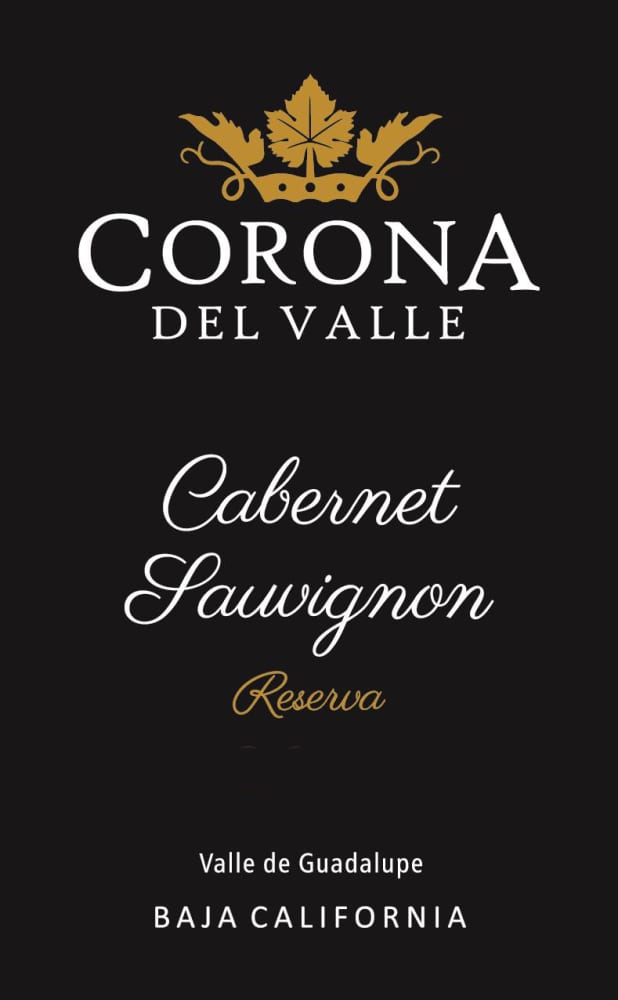
Understanding labeling is key. Terms like “unfined” or “unfiltered” often indicate a product that hasn’t undergone traditional clarification methods, making it a safer choice for those avoiding animal ingredients. Always check the producer’s website or contact them directly for detailed information if you’re unsure.
Clarification on Animal Ingredients in Wine
Many ask if these fermented grape beverages include elements derived from animals. The answer isn’t straightforward, as it largely depends on the production methods employed by individual wineries.
Common Animal Derivatives
Some clarifying agents used during the filtration process may originate from animal sources. These include:
- Isinglass (fish bladder)
- Gelatin (from bones and connective tissues)
- Casein (milk protein)
- Egg whites
These substances are primarily utilized to enhance clarity and stability, removing unwanted sediments from the final product.
Finding Vegan-Friendly Options
For those avoiding animal-derived substances, many producers now offer alternatives. Look for labels indicating vegan-friendly options. Here are some tips:
- Check for certifications or labels that specify vegan.
- Research brands known for plant-based fining agents.
- Contact wineries directly to inquire about their filtration practices.
With a growing number of producers adopting vegan methods, it’s easier than ever to enjoy these beverages without animal products. Always read the labels and ask questions to ensure your choices align with your dietary preferences.
Understanding the Winemaking Process
To appreciate the complexities involved in crafting a beverage, it’s crucial to understand the stages of its creation. Each phase plays a significant role in the final flavor and quality.
Harvesting
Grapes are harvested at their peak ripeness, ensuring optimal sugar and acidity levels. Timing is critical; typically, this occurs in late summer or early autumn. Growers often handpick clusters to avoid bruising and ensure only the best fruits are selected.
Fermentation
Once gathered, the grapes are crushed to release juice. Yeast is introduced to initiate fermentation, where sugars transform into alcohol. This process can last from several days to weeks, depending on desired characteristics.
- Temperature control is vital to influence flavor profiles.
- Different yeast strains can impart unique aromas and tastes.
Maturation
Post-fermentation, the liquid is transferred to barrels or tanks for maturation. This stage allows flavors to develop further, as compounds interact over time. Aging can last months to years, depending on style preferences.
Clarification and Bottling
After maturation, the beverage undergoes clarification to remove sediments. Techniques such as fining can be employed, which may involve substances derived from various sources. Finally, the liquid is bottled, ready for consumption.
Understanding these processes enhances appreciation for the craftsmanship behind this beloved beverage. Each step is a blend of art and science, contributing to the diverse flavors and experiences that enthusiasts cherish.
Common Animal Ingredients Used in Wine Production
Many winemakers utilize specific animal-derived substances during the fermentation and clarification processes. These ingredients can influence the flavor and texture, but they may not align with vegan preferences. Here’s a list of some common components:
| Ingredient | Source | Purpose |
|---|---|---|
| Isinglass | Fish bladders | Clarification agent |
| Gelatin | Animal collagen | Stabilization and clarification |
| Casein | Milk protein | Clarifying agent |
| Albumin | Egg whites | Clarification |
Clarification and Stabilization
Clarification is essential for achieving a clear beverage. Ingredients like isinglass and gelatin help remove unwanted particles from the liquid. While effective, these components raise questions for those avoiding animal-based ingredients. Alternatives such as bentonite clay or activated charcoal are available and can serve similar functions without compromising dietary choices.
Choosing Vegan-Friendly Options
When selecting a beverage, look for labels indicating vegan or plant-based production methods. Many producers now specify their ingredients, making it easier to identify options that align with dietary preferences. Researching brands and asking questions can ensure a suitable choice for those avoiding animal-derived substances.
Identifying Vegan-Friendly Red Wines
To find suitable options, I focus on labels that explicitly state they are vegan or use terms like “no animal-derived fining agents.” Some producers also highlight this on their websites. Brands like Frey Vineyards and Bonterra Organic Vineyards are known for their commitment to plant-based practices.
When selecting a bottle, I pay attention to the winemaking process. Wines labeled as “natural” or “organic” often avoid animal-based ingredients. Additionally, some regions have stricter regulations regarding additives, which can be beneficial. For example, wines from California and Oregon frequently feature fewer non-vegan components.
Another effective method is consulting vegan wine guides or apps. These resources can help me quickly identify brands and specific bottles that align with my dietary choices. Some online communities also share personal reviews and recommendations, which can be insightful.
I also consider the vintage, as some years may differ in production practices. It’s wise to verify each bottle rather than relying solely on brand reputation. Finally, engaging with local producers can provide clarity on their methods and ingredient sourcing.


