Chuck Furuya



For anyone venturing into the world of viniculture, familiarity with significant types of grapes is fundamental. Classic options include Chardonnay and Sauvignon Blanc for lighter options, while Cabernet Sauvignon and Merlot dominate the red selections. Each variety carries its own unique characteristics, impacting flavor profiles and aromas.
Chardonnay, known for its versatility, can range from crisp and fruity to rich and buttery, depending on the winemaking techniques employed. Sauvignon Blanc often boasts zesty acidity and herbaceous notes, making it a favorite for refreshing whites.
On the red side, Cabernet Sauvignon is celebrated for its bold structure and dark fruit flavors, often enhanced by aging in oak barrels. Merlot offers a softer alternative, with plush tannins and ripe berry notes, appealing to a wide audience.
Exploring these grape types opens a pathway to understanding various styles and regions, enriching the overall tasting experience. Each selection provides a distinct expression of terroir, inviting enthusiasts to appreciate the complexity of wine.
Key Red Grape Varieties and Their Flavor Profiles
Cabernet Sauvignon delivers bold flavors of blackcurrant, plum, and spices, often accompanied by a tannic structure that enhances its aging potential. This variety thrives in regions like Bordeaux and Napa Valley, where it develops complexity and depth. Pair it with grilled meats or rich sauces for an excellent match.
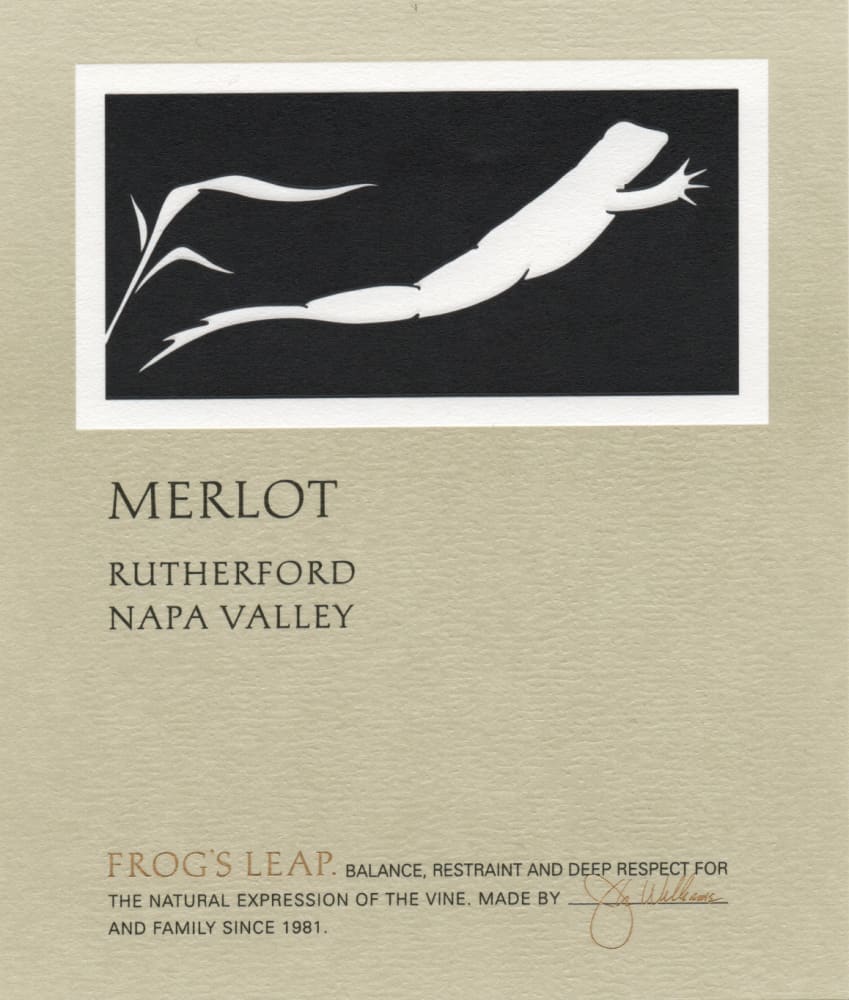
Merlot offers a softer profile with notes of cherry, chocolate, and herbs. Its round mouthfeel makes it approachable, perfect for those new to red wines. This grape shines in regions such as Bordeaux and California. It complements pasta dishes and roasted poultry exceptionally well.
Pinot Noir
Pinot Noir is renowned for its elegance, showcasing flavors of red berries, earthiness, and floral hints. Its complexity can be mesmerizing, especially from renowned areas like Burgundy and Oregon. This variety pairs beautifully with salmon, duck, and mushroom dishes, enhancing the dining experience.
Syrah/Shiraz
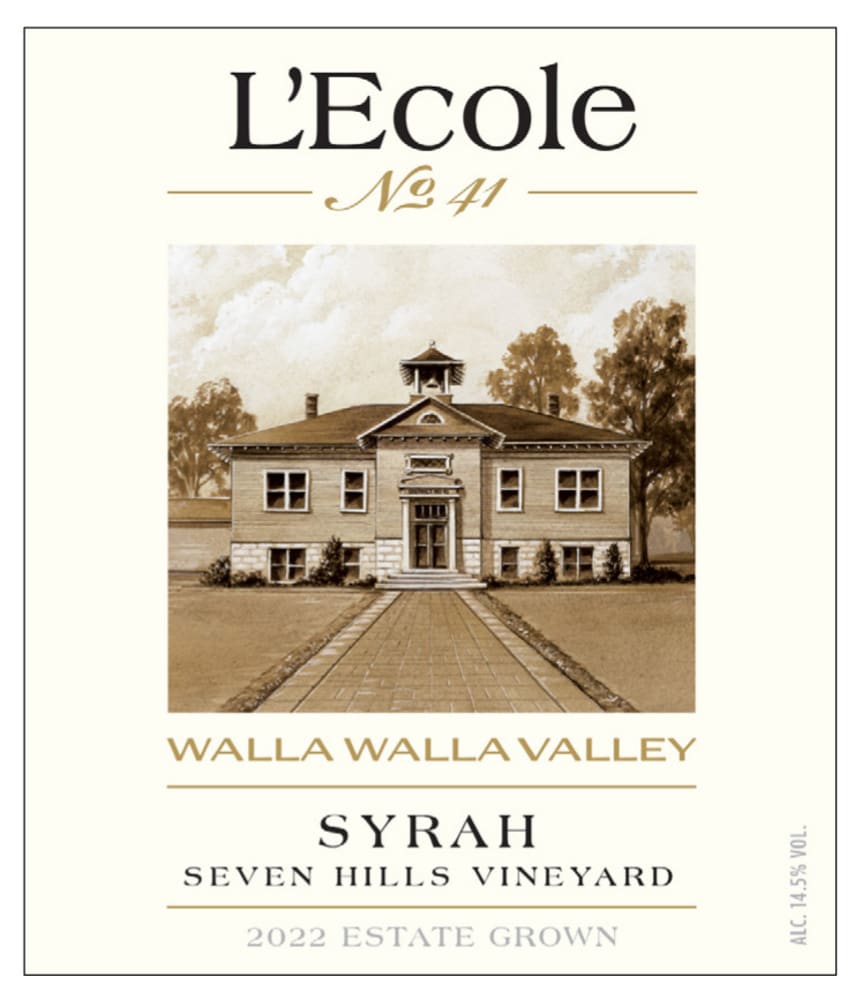
Syrah, known as Shiraz in Australia, exhibits dark fruit flavors, pepper, and smoky undertones. This versatile grape thrives in regions like the Rhône Valley and Barossa. It harmonizes with grilled meats, barbecued dishes, and hearty stews, making it a favorite for bold flavor lovers.
Popular White Grape Varieties and Their Characteristics
Chardonnay stands out with its versatility, producing styles ranging from crisp and mineral to rich and buttery. Its ability to age well makes it a favorite among collectors.
- Sauvignon Blanc: Known for its zesty acidity, this grape delivers vibrant notes of citrus and green herbs. It’s often used in creating refreshing, aromatic whites.
- Riesling: This variety is celebrated for its aromatic profile, featuring floral and fruity elements like peach and apricot. It can be made in dry to sweet styles, showcasing its adaptability.
- Pinot Grigio: Light and crisp, Pinot Grigio offers subtle flavors of pear and apple. Commonly enjoyed young, it pairs well with seafood and light dishes.
- Gewürztraminer: This grape is recognized for its aromatic intensity, with distinct notes of lychee and rose petals. Typically off-dry, it complements spicy cuisines beautifully.
- Viognier: Known for its lush texture and floral aromas, Viognier often presents flavors of stone fruits and honeysuckle. It can be rich, making it a great choice for pairing with richer dishes.
Each variety brings unique qualities, enhancing the tasting experience. Consider trying different styles to appreciate their diversity fully.
Regional Differences in Grape Varieties for Wine Production
In various regions, distinct types of grapes thrive, influenced by climate, soil, and local traditions. For example, Burgundy in France is renowned for Pinot Noir and Chardonnay, while Bordeaux is famous for Cabernet Sauvignon and Merlot. This local preference shapes the character and quality of wines produced in these areas.
European Influences
Italy showcases a rich diversity, with Sangiovese dominating Tuscany and Nebbiolo in Piedmont. Spanish regions like Rioja primarily cultivate Tempranillo, reflecting the country’s historical wine culture. Each locale contributes unique flavors and styles, driven by centuries of winemaking expertise.
New World Innovations
In the United States, California’s Napa Valley excels with Cabernet Sauvignon and Zinfandel, while Oregon is recognized for its Pinot Noir. Australian vineyards often focus on Shiraz, which expresses the country’s warm climate. These regions leverage modern techniques to enhance grape quality and adapt to market demands.
FAQ:
What are some of the most common white grape varieties used in winemaking?
Some of the most common white grape varieties include Chardonnay, Sauvignon Blanc, and Riesling. Chardonnay is known for its versatility and can produce a range of wine styles, from crisp and mineral to rich and oaky. Sauvignon Blanc is often characterized by its high acidity and aromatic profile, with notes of citrus and green herbs. Riesling is celebrated for its floral aromas and ability to retain acidity even in sweet styles.
Can you name a few popular red grape varieties and their characteristics?
Yes, popular red grape varieties include Cabernet Sauvignon, Merlot, and Pinot Noir. Cabernet Sauvignon is known for its full body and bold tannins, often featuring flavors of blackcurrant and green bell pepper. Merlot is generally softer and fruitier, with plum and cherry notes, making it approachable for many wine drinkers. Pinot Noir is lighter in body and has a complex flavor profile, often showcasing red fruit, earthiness, and floral notes.
How do the grape varieties influence the flavor of the wine?
The grape variety significantly impacts the wine’s flavor profile due to its unique characteristics, such as the grape’s sugar levels, acidity, and tannin structure. Different grape varieties produce distinct aromas and flavors; for instance, Chardonnay can offer buttery and oaky notes when aged in barrels, while Sauvignon Blanc often presents crisp citrus flavors. The terroir, or the environment in which the grapes are grown, also plays a key role in the final taste of the wine.
What grape varieties are commonly used in blending for red wines?
In red winemaking, blending is common with varieties like Cabernet Sauvignon, Merlot, Syrah, and Grenache. Cabernet Sauvignon often serves as a base due to its structure, while Merlot adds softness and fruitiness. Syrah contributes spice and depth, while Grenache offers bright fruit flavors and high alcohol levels. This combination allows winemakers to create balance and complexity in their wines.
Are there any lesser-known grape varieties that are worth exploring?
Yes, there are several lesser-known grape varieties that offer unique tasting experiences. For example, Grüner Veltliner is a white grape from Austria that is known for its peppery notes and crisp acidity. On the red side, Tannat is a variety from South West France that produces bold, tannic wines with dark fruit flavors. Exploring these varieties can lead to interesting discoveries and broaden one’s palate.
What are the most popular white grape varieties used to make wine?
Some of the most popular white grape varieties used in winemaking include Chardonnay, Sauvignon Blanc, and Riesling. Chardonnay is known for its versatility and is grown in many regions worldwide, producing wines that range from crisp and mineral to rich and buttery. Sauvignon Blanc is often characterized by its bright acidity and flavors of citrus and green herbs, making it a favorite for refreshing summer wines. Riesling, on the other hand, is celebrated for its aromatic profile and can produce wines that are dry to sweet, often with floral notes and stone fruit flavors.