Chuck Furuya

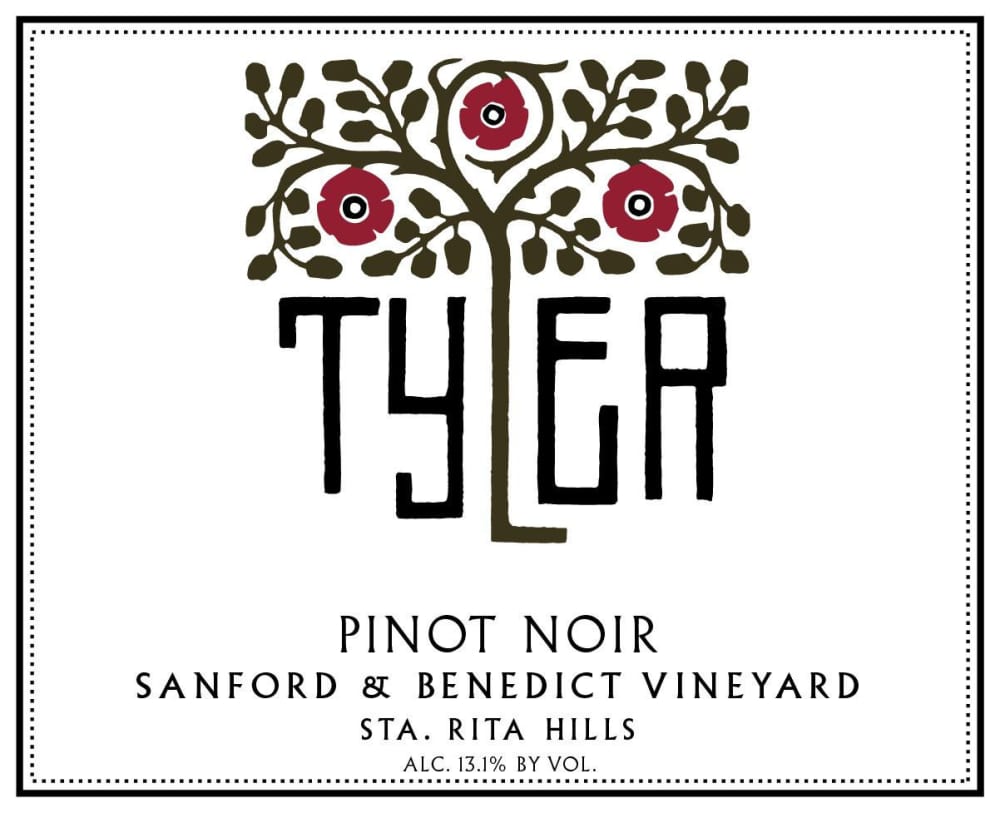
In my exploration of vinification, I found that a fascinating process involves utilizing darker varieties to produce a lighter beverage. This technique focuses on separating juice from skins, allowing the resulting liquid to maintain a crisp and refreshing character.
Many producers opt for techniques such as cold fermentation to enhance delicate aromas and flavors, ensuring that the final product offers a unique tasting experience. Notably, the choice of yeast can significantly impact the aromatic profile, with specific strains contributing floral or fruity notes.

Regions known for their mastery in this craft often highlight specific varietals, showcasing how terroir influences the final taste. Consumers should pay attention to the label for indications of the grape types involved, as this can provide insight into the flavor complexities awaiting in each glass.
Understanding the Label of Pale Beverages from Dark Berries
This beverage, crafted using darker varieties of fruit, is commonly referred to as “blanc de noirs.” This term originates from French, meaning “white from blacks.” It’s a unique creation that highlights the versatility of grape types in winemaking.
Key Characteristics of Blanc de Noirs
- Typically exhibits a lighter color compared to its darker counterparts.
- Flavor profile can range from fruity to floral, depending on the specific berry used.
- Often characterized by crisp acidity, making it refreshing.
Production Insights
The process involves pressing the berries gently to extract juice while minimizing skin contact, which prevents the transfer of deep pigments. This method allows for a clean and bright profile, showcasing the inherent qualities of the fruit.
Pairing suggestions for this drink include seafood, light salads, and creamy cheeses, creating a delightful contrast that enhances the tasting experience. Additionally, it can be served as an aperitif, inviting guests to savor its nuanced flavors.
Understanding the Process of White Wine Production from Red Grapes
To achieve a delicate beverage from dark-skinned fruit, it’s crucial to separate the juice from the skins immediately after crushing. This step prevents the extraction of pigments and tannins that would otherwise impart unwanted color and astringency. I recommend using a pneumatic press, which gently extracts the juice while minimizing skin contact.
Fermentation Techniques
Once the juice is collected, fermentation begins. Utilizing specific yeast strains can enhance the aromatic profile. I prefer cooler fermentation temperatures, around 50-60°F (10-15°C), to preserve the fresh and fruity notes. During this phase, monitoring sugar levels is essential, as it determines the final sweetness of the product.
Aging and Bottling
Aging can occur in stainless steel or oak barrels, depending on the desired flavor complexity. Stainless steel often results in a cleaner taste, while oak adds richness. After aging, I recommend careful filtration to ensure clarity before bottling. Selecting the right closure, such as cork or screw cap, can significantly influence the aging potential and preservation of flavors.
Key Varietals of Red Grapes Used for White Wine
Chardonnay is a standout choice, often utilized to create refreshing and aromatic beverages. Its versatility allows for a range of flavors, from crisp apple to tropical fruit, depending on the climate and winemaking techniques.
Pinot Noir is another significant varietal. This grape can yield lighter styles with delicate floral notes and bright acidity, making it perfect for producing elegant, nuanced beverages. The focus on minimizing skin contact is crucial in preserving its subtle characteristics.
Sangiovese, primarily known for its robust reds, can also be pressed to produce a unique, fruit-forward option. It brings cherry and herbal notes, offering a different perspective when crafted into a refreshing style.
Grenache, commonly associated with rich reds, surprises many when transformed into a lighter option. Its berry flavors and spicy undertones create a delightful profile, showcasing its adaptability.
Lastly, Merlot deserves mention. While typically richer, it can yield softer, fruitier alternatives that appeal to those seeking a mellow yet flavorful experience. The key lies in the careful extraction process to achieve the desired lightness without losing the grape’s inherent qualities.
The Role of Skin Contact in White Wine from Red Grapes
Skin contact plays a pivotal role in crafting a refreshing beverage using darker varietals. The decision to allow skins to interact with the juice significantly influences flavor, aroma, and texture. For instance, a brief contact can impart subtle tannins and enhance complexity without overwhelming the drinker.
Typically, I opt for a short maceration period, ranging from a few hours to a couple of days. This approach extracts essential compounds while maintaining the lightness characteristic of the final product. The temperature during this phase is crucial; cooler temperatures help preserve delicate fruity notes, while warmer conditions may lead to more robust characteristics.
In addition to flavor components, skin contact contributes to the hue of the beverage. A longer maceration can result in a light pink or orange tint, adding visual appeal. Choosing the right duration depends on the desired outcome; experimentation is key to finding the perfect balance.
Furthermore, employing techniques such as punch-downs or pump-overs during fermentation enables me to manage extraction levels actively. This hands-on approach allows for fine-tuning, ensuring the final product meets my vision.
Ultimately, the interaction with skins can elevate the drinking experience, transforming a simple creation into a memorable choice. Understanding these nuances empowers me to craft a unique offering that stands out in any setting.
Flavor Profiles: How One Type of Wine Differs from Traditional Varietals
When exploring the flavor characteristics of this unique beverage, I often find distinct notes that set it apart from its conventional counterpart. Here are some key aspects to consider:
- Fruitiness: Expect a range of flavors, often leaning towards crisp apples, citrus fruits, and tropical notes. These aromas are typically more pronounced compared to darker, heavier types.
- Acidity: This beverage generally exhibits higher acidity, providing a refreshing quality that enhances its food pairing versatility. This bright acidity can invigorate the palate.
- Body: The texture can vary significantly, with lighter styles offering a clean finish, while others may present a creamier mouthfeel, especially those with some oak aging.
- Floral and Herbal Notes: Often, I detect hints of flowers, herbs, or even minerality, which can add complexity to the tasting experience. Varietals such as Sauvignon Blanc frequently showcase these characteristics.
In comparison, conventional styles typically exhibit bolder tannins and deeper, more intense fruit flavors like blackberries, cherries, and plums. Understanding these differences can enhance appreciation for both types.
Pairing considerations also differ markedly. I recommend matching lighter selections with seafood, fresh salads, or light pasta dishes, while richer options can complement roasted chicken or creamy cheeses beautifully.
By identifying these flavor distinctions, I can make informed choices that elevate my tasting experience and enhance food pairings.
Common Techniques for Producing White Wine from Red Grapes
To achieve a crisp beverage using darker fruit, I prioritize pressing the berries immediately after harvest. This minimizes skin contact, which is crucial since the skins contain pigments that can impart unwanted color and tannins.
Another effective approach involves the use of temperature control during fermentation. By fermenting at cooler temperatures, I can enhance the aromatic qualities while preserving the desired freshness. This technique helps in developing delicate floral and fruity notes.
Choosing the right fermentation vessel is equally important. Stainless steel tanks are my go-to for most cases, as they allow for precise temperature management and contribute to a clean flavor profile. However, I sometimes experiment with oak barrels to add complexity and subtle nuances.
Additionally, I often employ a method known as cold soaking. This involves chilling the crushed fruit before fermentation starts, extracting flavors without significant coloration. It’s a subtle yet effective way to enhance the final taste without the visual impact of red hues.
In certain cases, I might incorporate a technique called “malolactic fermentation.” This process transforms sharper malic acid into softer lactic acid, resulting in a smoother mouthfeel and creamier texture. It’s particularly useful for creating a rounder profile.
| Technique | Description |
|---|---|
| Immediate Pressing | Red fruits are pressed quickly to reduce skin contact. |
| Cool Fermentation | Lower fermentation temperatures preserve aroma and freshness. |
| Stainless Steel Fermentation | Use of stainless steel for clean flavors and temperature control. |
| Cold Soaking | Chilling crushed fruit before fermentation to enhance flavors. |
| Malolactic Fermentation | Softening acidity for a smoother texture and mouthfeel. |