Chuck Furuya

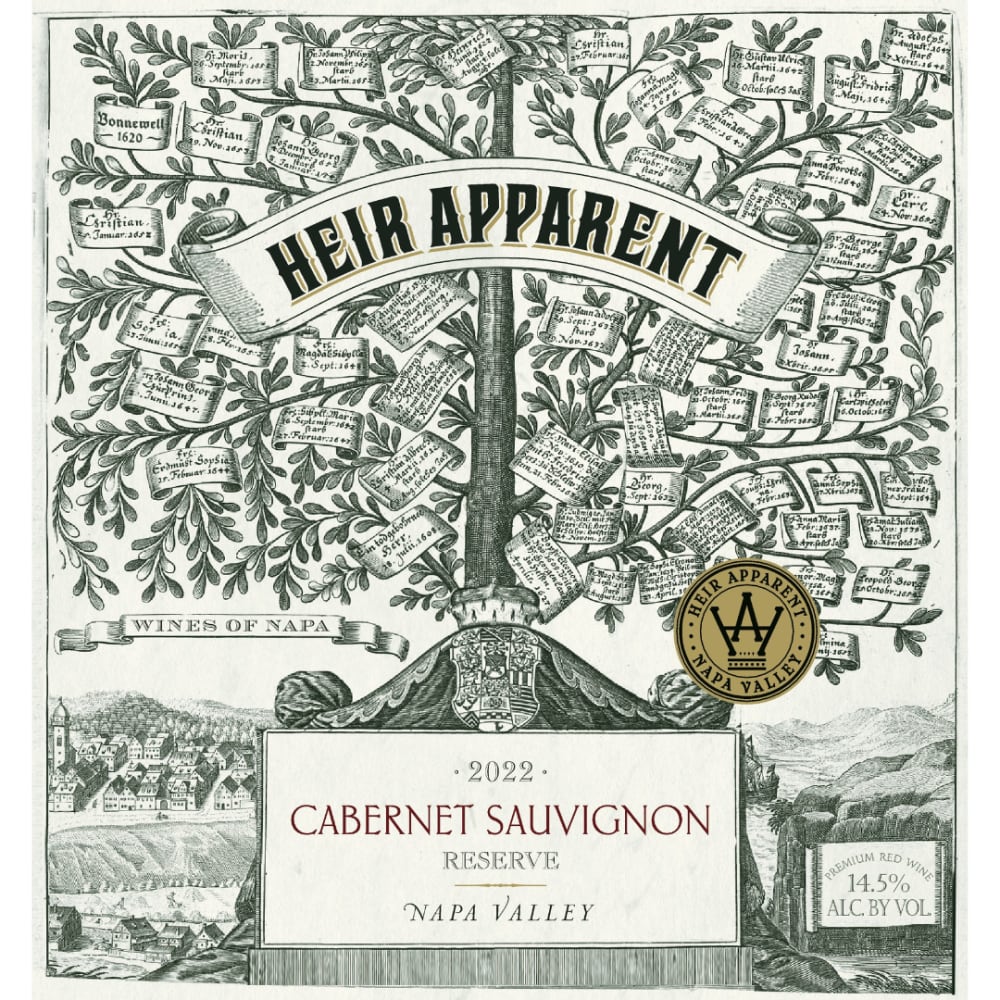
2012, 2013, and 2016 stand out as exceptional vintages for the rich, bold offerings from this region. The 2012 vintage is particularly memorable, showcasing a harmonious balance of fruit and tannins, making it a favorite among enthusiasts. The 2013 season brought forth robust flavors, characterized by depth and complexity, ideal for aging.
Moving to 2016, this year yielded wines with remarkable structure and finesse, perfect for those who appreciate nuanced profiles. Each of these years produced varietals that reflect the unique terroir, delivering an experience that captures the essence of their origin.

For those exploring the depths of California’s red varietals, these specific harvests provide a compelling starting point. They not only highlight the region’s potential but also offer a glimpse into the artistry behind winemaking that thrives here.
Noteworthy Vintage Selection for California Reds
2013 stands out as an exceptional year, offering rich flavors and strong structure, particularly in Napa Valley. I’ve experienced the depth of Cabernet Sauvignon from this vintage, showcasing dark fruits and fine tannins.
The 2016 vintage is another highlight, known for its balanced acidity and ripe fruit characteristics. Many producers excelled in crafting Zinfandels and Merlots that year, resulting in wines that pair beautifully with a variety of dishes.
2018 presents a diverse range of offerings, with many wineries achieving complexity and finesse. I found the Pinots from Sonoma County to be particularly impressive, displaying bright red fruit and elegant profiles.
For a more recent option, 2020 has emerged as promising, with favorable growing conditions leading to well-structured wines. The Bordeaux varietals from Paso Robles are worth exploring, reflecting the terroir beautifully.
Each of these years has produced remarkable selections that continue to impress palates. Enjoying these vintages provides insights into the unique characteristics of each growing season.
Key Factors Influencing Vintage Quality
Climate patterns significantly impact the outcome of grapes. Warm days paired with cool nights help develop optimal acidity and sugar levels. Monitoring temperature variations throughout the growing season is crucial.
Soil composition plays a vital role as well. Well-drained soils with good mineral content contribute to the structure and complexity of the final product. Regions with volcanic or clay soils often yield exceptional outcomes.
Pest and disease management cannot be overlooked. Sustainable farming practices enhance vineyard health, resulting in better fruit quality. Organic approaches and integrated pest management can make a noticeable difference.
Harvest timing is critical. Picking at the right moment ensures that grapes achieve peak ripeness, balancing sugars and acidity. This decision greatly influences flavor profiles and aging potential.
Winemaking techniques also affect the final result. Choices regarding fermentation methods, aging vessels, and blending decisions shape each bottle’s character. Experimentation with different techniques can lead to unique and desirable outcomes.
| Factor | Impact |
|---|---|
| Climate | Affects ripeness and flavor development |
| Soil | Influences structure and mineral complexity |
| Pest Management | Enhances fruit quality through sustainable practices |
| Harvest Timing | Determines balance of sugars and acidity |
| Winemaking Techniques | Shapes flavor profiles and aging potential |
Top California Regions for Red Wine Production
Napa Valley consistently stands out for its exceptional Cabernet Sauvignon and Merlot. The unique microclimates and diverse soil types contribute to the complexity and depth of the wines produced here. I recommend exploring the sub-regions such as Stags Leap District for its elegant Cabernets or Oakville for rich, full-bodied options.
Sonoma County
Sonoma County offers a remarkable variety of terroirs, ideal for Zinfandel and Pinot Noir. The Russian River Valley is particularly renowned for its cool climate, enhancing the fruit-forward characteristics of these varietals. Additionally, Dry Creek Valley delivers excellent expressions of Zinfandel, showcasing bold flavors and spice.
Paso Robles
Paso Robles is recognized for its Rhône varietals, especially Syrah and Grenache. The warm days and cool nights create perfect ripening conditions. Look for vineyards that practice sustainable farming for wines with a true sense of place. The area also produces noteworthy blends that highlight the region’s versatility.
Santa Barbara County, with its varied climates, excels in Pinot Noir and Syrah. The Santa Maria Valley’s cool coastal influence allows for the development of nuanced flavors, while the warmer regions, like Happy Canyon, produce more robust reds. Each area offers its unique character that reflects the local environment.
Notable Vintage Years in Recent History
2012 stands out as an exceptional harvest, delivering rich and well-structured varietals. The consistent warm weather during the growing season allowed grapes to achieve optimal ripeness, showcasing intense flavors and balanced acidity.
The 2013 vintage is another highlight, noted for its powerful yet elegant wines. Ideal conditions led to concentrated fruit flavors and impressive aging potential, making this year a favorite among collectors and connoisseurs alike.
2016 produced excellent results, characterized by moderate temperatures that extended the growing season. This resulted in wines with depth and complexity, often described as having great finesse.
2018 yielded remarkable quality, with cool nights preserving acidity and allowing for prolonged hang time. The outcome was wines that exhibit both richness and freshness, appealing to a broad range of palates.
Additional Noteworthy Years
- 2007: A warm year that produced ripe, fruit-forward options, particularly in Napa Valley.
- 2010: Featured balanced profiles, with wines showing both power and elegance.
- 2015: Known for its early harvest, leading to wines with bright acidity and vibrant fruit notes.
Each of these exceptional vintages showcases the ability of this region to produce remarkable wines that can be enjoyed upon release or aged for years to come.
How Weather Patterns Affect Wine Quality
Temperature fluctuations during the growing season directly influence grape development. Ideal conditions include warm days paired with cool nights, allowing for balanced sugar and acidity levels. Regions that experience these fluctuations often produce exceptional varietals.
Key Weather Influences
- Sunshine: Adequate sunlight is vital for photosynthesis, impacting flavor concentration. Regions with prolonged sunny periods see higher quality in their grapes.
- Rainfall: Controlled irrigation is beneficial, but excessive rain can lead to dilution of flavors and increased disease risk. Drought conditions might concentrate flavors but can stress vines.
- Frost: Late spring frosts can damage budding vines, reducing yield and quality. Protecting young buds is crucial for a successful harvest.
Seasonal Variability
Yearly climate changes affect the ripening process. Warmer growing seasons typically yield fruit with higher sugar content, while cooler years may enhance acidity and produce more nuanced flavors. Monitoring these shifts helps in anticipating vintage quality.
In my experience, understanding local weather patterns enables better decision-making in vineyard management, ensuring optimal conditions for grape maturation and ultimately enhancing the final product.