Chuck Furuya

For a truly captivating experience, I recommend a glass of Barolo. This Italian gem, made from the Nebbiolo grape, offers a rich tapestry of flavors, ranging from cherry and rose to earthy undertones. Its robust structure and high tannins make it a perfect companion to hearty dishes like Osso Buco or truffle risotto.
If you’re seeking something with a bit more fruitiness, consider a bottle of Zinfandel. This American classic presents jammy notes of blackberry and plum, complemented by a hint of spice. Ideal for barbecued meats or a charcuterie board, it’s a versatile choice that never disappoints.
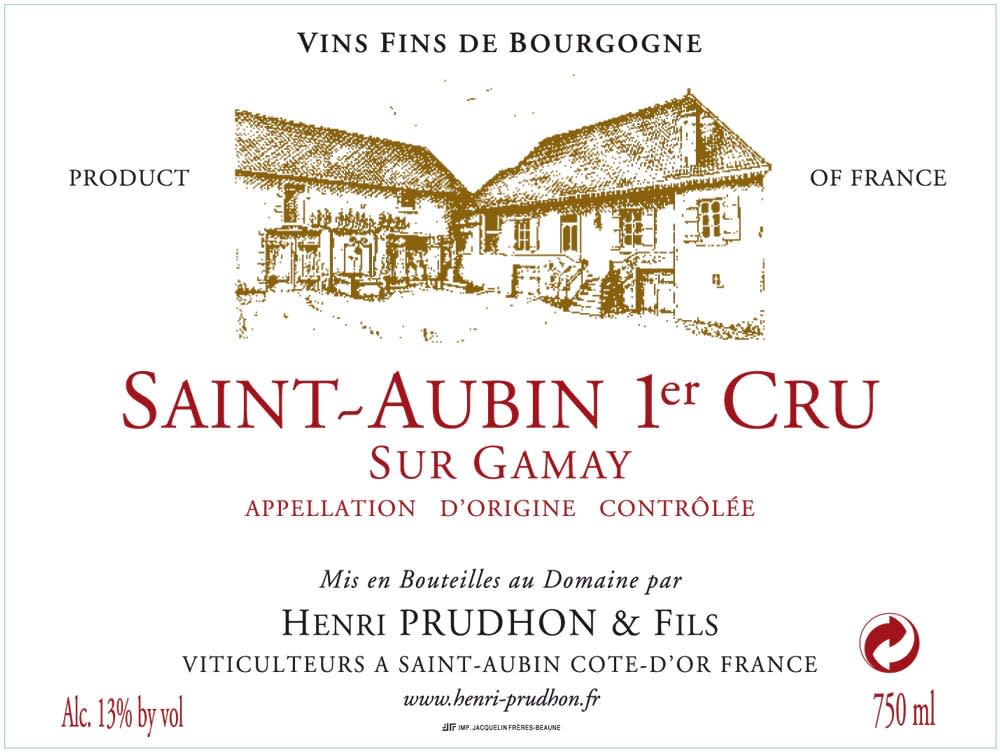
For those who appreciate elegance, Pinot Noir should be on your radar. The Burgundian style, with its delicate balance of red fruit and acidity, pairs beautifully with salmon or duck. Its complexity and lightness make it a delightful option for any occasion.
Each of these selections reflects a unique terroir and winemaking tradition, making them stand out in a crowded field. Exploring these options can lead to some memorable tastings and enjoyable meals.
Understanding Different Red Wine Varieties
For a delightful experience, I often recommend trying a full-bodied Cabernet Sauvignon. Its rich flavors of dark fruits, combined with notes of oak and spice, create a bold palate that pairs beautifully with grilled meats and hearty dishes.
Exploring Merlot
Merlot stands out with its smooth texture and fruit-forward profile. This variety typically features flavors of plum, black cherry, and chocolate, making it an excellent choice for those who prefer a softer approach. It pairs nicely with pasta, poultry, and even some seafood dishes.
Tempranillo’s Unique Character
Tempranillo, a Spanish gem, offers a fascinating blend of fruit and earthiness. Tasting notes often include cherry, leather, and tobacco. This varietal complements grilled vegetables and rich stews, enhancing the meal’s overall depth.
Each varietal brings its own story and character to the table, making the exploration of these wines a rewarding experience. Choose according to personal preference, meal pairing, or occasion to enjoy the fullest expression of these marvelous beverages.
How to Choose the Right Red Wine for Your Meal
Pairing a robust grape beverage with food enhances the dining experience. Here are key points to consider:
- Match Intensity: Bold dishes like grilled steak or lamb require a full-bodied varietal, such as Cabernet Sauvignon or Syrah. Lighter meals, like pasta with tomato sauce, work well with a medium-bodied option, such as Merlot.
- Flavor Profiles: Consider the primary flavors in the dish. Spicy foods, like barbecue, harmonize with fruity wines, while earthy dishes, such as mushroom risotto, pair nicely with wines that have earthy undertones, like Pinot Noir.
- Acidity Levels: High-acid foods, such as tomato-based sauces, benefit from wines with a similar acidity, like Chianti. On the other hand, creamy sauces call for smoother, lower-acid options, such as a Malbec.
- Tannin Considerations: Strong tannins in wine can complement protein-rich dishes. For example, a Cabernet Sauvignon enhances the flavors of a juicy steak. Conversely, delicate dishes require softer tannins, making Pinot Noir an excellent choice.
- Regional Pairing: Local cuisine often pairs best with regional selections. For instance, Italian dishes are traditionally complemented by Italian varietals like Barolo or Chianti.
Experimentation is key. Taste various combinations to find the perfect match for personal preferences. Enjoy the process of discovering which exquisite blends elevate each meal.
Identifying Flavor Profiles in Popular Red Wines
For a delightful experience, I often look to Merlot for its smooth, velvety texture and notes of ripe plum and cherry. This grape variety offers a balanced acidity and soft tannins, making it an excellent choice for those who prefer a fruit-forward profile without overwhelming tannic structure.
Cabernet Sauvignon
When seeking something bolder, Cabernet Sauvignon stands out due to its rich flavors of blackcurrant, cedar, and sometimes hints of tobacco. This variety typically features higher tannin levels, providing a firm backbone that complements hearty dishes like grilled meats and aged cheeses.
Pinot Noir
Pinot Noir captures my attention with its complexity. The flavor range can include red berries, baking spices, and floral notes. Its lighter body and bright acidity make it a versatile companion for a variety of foods, from duck to mushroom risotto. Understanding these distinct characteristics enhances the enjoyment of each sip.
Best Storage Practices for Wine at Home
Maintain a consistent temperature between 50°F and 65°F (10°C to 18°C) for optimal preservation. Avoid fluctuations, as they can negatively impact flavor and aroma.
Humidity Levels
Keep humidity around 60-70% to prevent corks from drying out. A humid environment ensures a proper seal, which is crucial for maintaining the integrity of the liquid inside.
Light Exposure
Store bottles in a dark place, away from direct sunlight and artificial lighting. UV rays can degrade quality, leading to undesirable flavors over time.
| Storage Factor | Recommended Level |
|---|---|
| Temperature | 50°F – 65°F (10°C – 18°C) |
| Humidity | 60% – 70% |
| Light | Dark environment |
| Position | Horizontal for corks, upright for screw caps |
Store bottles horizontally if they have corks, ensuring the cork remains moist and seals well. For screw caps, vertical storage is acceptable.
Avoid vibrations from appliances or nearby traffic, as they can disturb sediment and affect the wine’s development. Designate a quiet area for your collection.