Chuck Furuya

If you are seeking a delightful and luscious experience, I highly recommend exploring Lambrusco. This Italian gem often showcases a range of berry notes, from cherries to raspberries, and can be found in both sparkling and still varieties, with a lovely sweetness that appeals to many palates.
Another excellent choice is Brachetto d’Acqui. This aromatic delight bursts with flavors of strawberries and rose petals, offering a charming sweetness balanced by mild acidity. It’s particularly enjoyable when served slightly chilled, making it a perfect pairing for desserts or cheese.
For a more robust option, consider Shiraz, especially those from regions like South Australia. These wines frequently exhibit rich plum and blackberry characteristics, often accompanied by subtle sweetness from oak aging, making them approachable yet complex.
Lastly, Merlot from warmer climates, such as California or Chile, often presents ripe fruit flavors like black cherry and fig, with a smooth, velvety finish that can lean towards the sweeter side. This variety is versatile and pairs well with various dishes.
Recommendations for Fruity and Sweet Options
For a delightful experience, I recommend exploring the following options:
- Zinfandel: This variety often exhibits notes of raspberry, blackberry, and cherry, carrying a natural sweetness that makes it approachable.
- Merlot: Known for its smooth texture, Merlot offers flavors of plum and chocolate, frequently resulting in a pleasantly sweet finish.
- Grenache: This grape delivers bright red fruit characteristics, such as strawberry and raspberry, with a hint of spice, enhancing its sweet undertones.
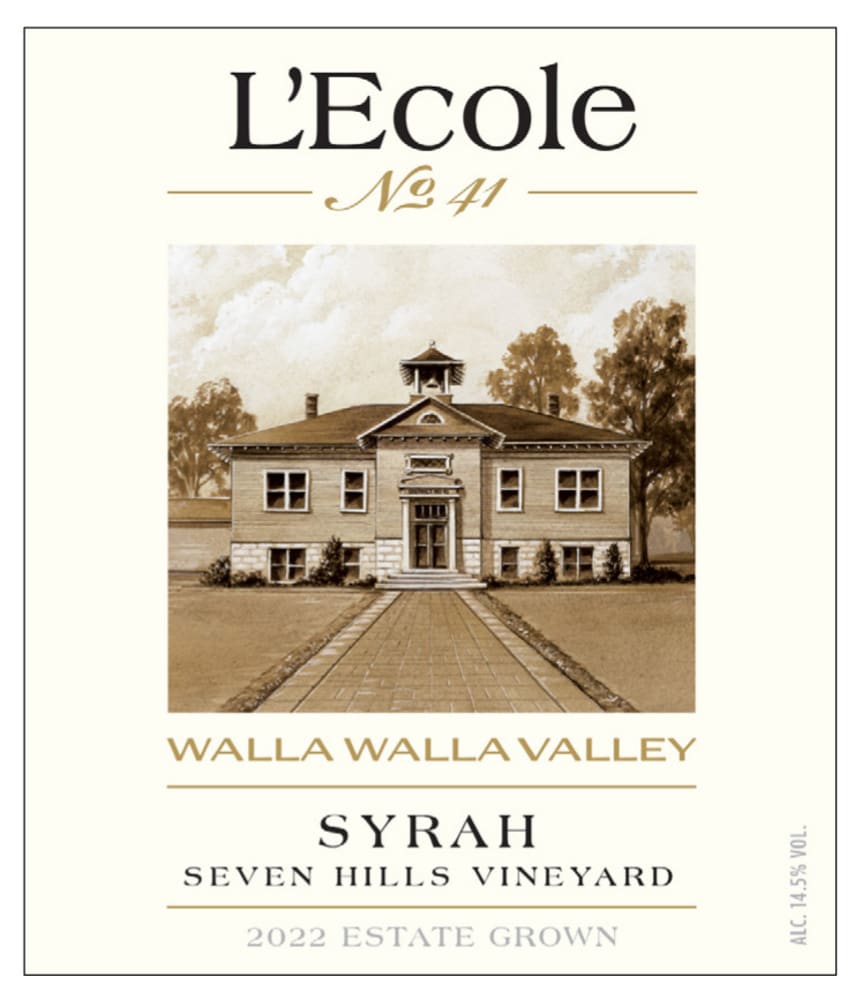
- Shiraz/Syrah: Often showing rich blackberry and plum flavors, these wines can present a luscious sweetness balanced by peppery notes.
- Sweet Red Blends: Many producers craft blends with various grapes, creating a profile that highlights ripe fruits and a sugary finish.
When selecting a bottle, look for those labeled as “off-dry” or “sweet.” They often have residual sugars that enhance the fruitiness. Pairing these options with desserts or spicy dishes can elevate the tasting experience.
Identifying Fruity Characteristics in Red Wines
To pinpoint the juicy notes in a glass of deep-hued beverage, focus on the aromas and flavors. Look for descriptors like cherry, raspberry, strawberry, and plum. These indicators often suggest a vibrant, luscious experience.
Analyzing Aroma
Swirl the glass gently and take a moment to inhale. The nose can reveal much about the profile. If you detect scents reminiscent of ripe berries or stone fruits, it’s a sign of a luscious drink. Aromas may also hint at underlying sweetness, particularly if hints of vanilla or caramel are present, often a result of oak aging.
Tasting Notes
As you sip, pay close attention to the palate. A smooth texture paired with bright acidity usually enhances the perception of fruitiness. Look for a balance; if the experience feels syrupy or overly sweet, it may detract from the overall enjoyment. A well-structured option will maintain a refreshing quality alongside its fruity essence.
Be mindful of the finish as well. A lingering aftertaste of berry or plum can indicate a satisfying and enjoyable choice. Experimenting with different selections will help refine your ability to identify those delightful, luscious qualities.
Top Sweet Red Varieties to Try
For those seeking a delightful experience, I recommend exploring these sweet red options:
1. Lambrusco
This Italian gem offers a refreshing, slightly effervescent profile with notes of cherries and plums. It pairs beautifully with cured meats and cheeses.
2. Brachetto d’Acqui
Known for its aromatic qualities, this wine has a lovely fragrance of strawberries and roses. It’s perfect as a dessert companion or enjoyed on its own.
3. Porto
A fortified option, Porto is rich and velvety, typically featuring flavors of dark berries, chocolate, and spices. Ideal for sipping after dinner.
4. Sweet Shiraz
This variant of Shiraz delivers bold berry flavors with a hint of sweetness, making it versatile for pairing with barbecued meats or rich sauces.
5. Zinfandel
A popular choice, Zinfandel can range from jammy to sweet, showcasing ripe fruit notes like blackberry and raspberry. It complements spicy dishes well.
| Variety | Flavor Profile | Best Pairings |
|---|---|---|
| Lambrusco | Cherries, plums | Cured meats, cheeses |
| Brachetto d’Acqui | Strawberries, roses | Desserts, solo sipping |
| Porto | Dark berries, chocolate | After dinner |
| Sweet Shiraz | Bold berries | Barbecue, rich sauces |
| Zinfandel | Blackberry, raspberry | Spicy dishes |
These selections not only satisfy a sweet tooth but also enhance various culinary experiences. Enjoy experimenting with these exquisite options!
Food Pairings for Fruity Sweet Red Wines
For a delightful dining experience, consider pairing these wines with dishes that complement their inherent characteristics. Barbecue ribs glazed with a sweet sauce create a beautiful harmony with the wine’s lush fruit notes. The sweetness in the glaze enhances the wine’s profile, making each sip more enjoyable.
Cheese and Charcuterie
A plate of rich, creamy cheeses such as Brie or Camembert offers a great contrast to the wine’s sweetness. The creaminess balances the sugar, while a selection of cured meats like prosciutto or salami adds a savory element that enhances the overall flavor experience. Choose a variety of textures for an engaging tasting.
Desserts
Understanding Residual Sugar in Red Wines
Residual sugar (RS) significantly influences the taste profile of a wine. RS refers to the natural sugars left after fermentation, impacting sweetness levels and overall flavor. For those exploring options, wines with higher RS often present a more luscious mouthfeel and pronounced fruit notes.
The sweetness scale can vary greatly; for instance, wines with less than 1% RS may taste dry, while those with 2% to 5% RS can feel noticeably sweeter. Beyond mere sweetness, RS contributes to balance and complexity, enhancing flavors and aromas.
Common varietals known for elevated residual sugar include Merlot, Zinfandel, and Syrah. These selections often showcase rich berry flavors, complemented by that hint of sweetness. Always check the label or inquire at the store for specific RS levels if sweet characteristics appeal to you.
When tasting, notice how RS interacts with acidity. Higher acidity can help offset sweetness, creating a more harmonious drinking experience. It’s crucial to consider this balance when selecting options for various occasions.
Experimenting with different wines allows for a greater appreciation of RS. Trying various styles can reveal the vast array of offerings available, making the exploration both exciting and rewarding. Pay attention to the finish, as a well-crafted wine leaves a lasting impression that lingers pleasantly on the palate.