Chuck Furuya
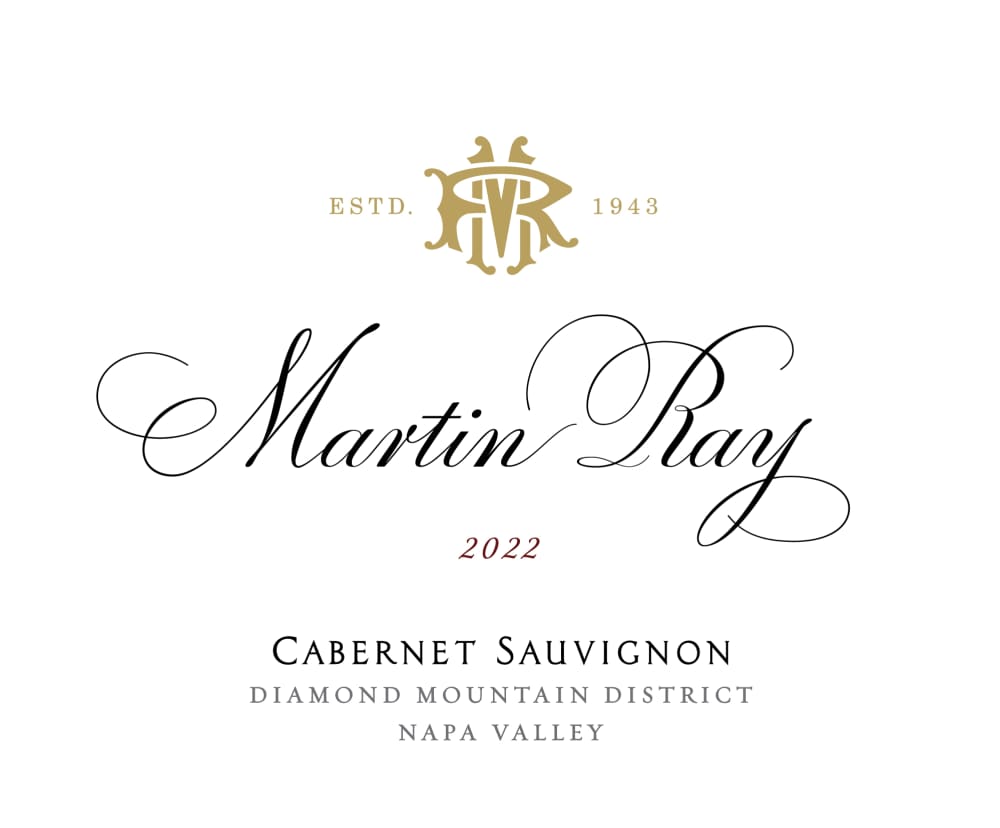
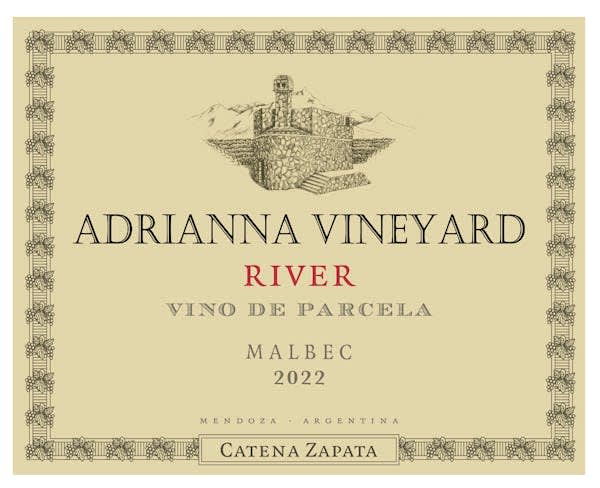


For an exceptional experience, I recommend selecting a Cabernet Sauvignon from regions like Napa Valley or Bordeaux. These areas produce some of the finest examples of robust and full-bodied varieties, showcasing rich flavors and complex aromas.
When assessing this type of beverage, I focus on the tannin structure and acidity. A well-balanced Cabernet should have firm tannins that provide a pleasant grip without overwhelming the palate. Look for a wine with an acidity that enhances the fruitiness, allowing for a refreshing finish.
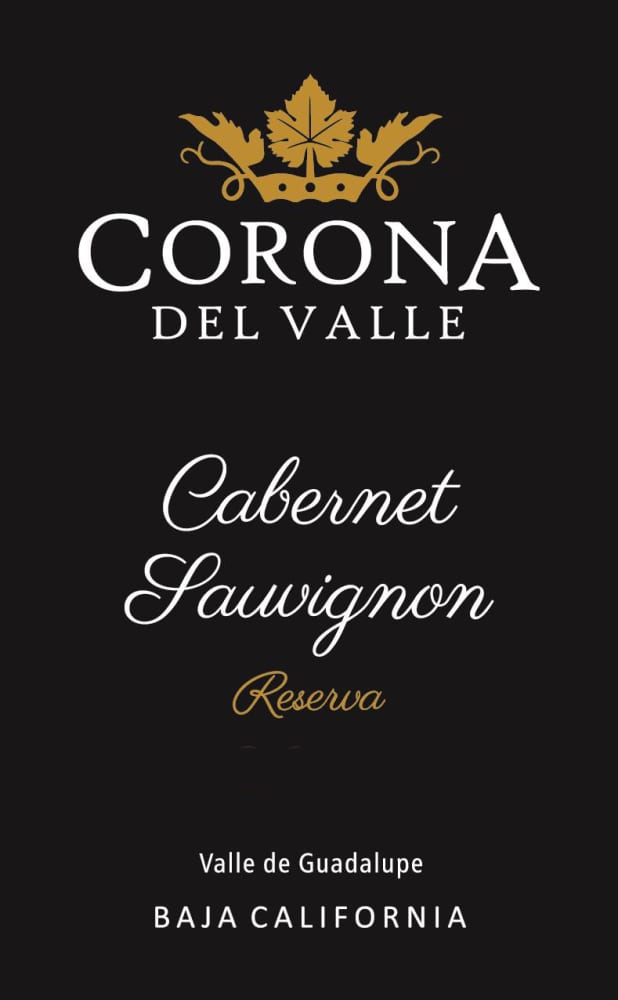
In terms of flavor profile, I often find notes of dark fruits such as blackcurrant, blackberry, and plum, complemented by hints of oak, vanilla, and spices. This intricate combination creates a taste experience that evolves with each sip. Pairing it with grilled meats or aged cheeses can elevate the overall enjoyment, making it ideal for a special occasion or a cozy dinner.
Defining Very Dry Red Wine Characteristics
When assessing the traits of a wine with minimal residual sugar, I focus on several key attributes. First, the tannin structure is prominent, providing a firm backbone that can range from medium to high levels, contributing to the wine’s mouthfeel and complexity.
The acidity level is another vital factor; a well-balanced acidity enhances freshness and allows for a more pronounced expression of flavors. I often find that these wines exhibit dark fruit notes such as black currant, blackberry, and plum, alongside secondary characteristics like earthy, herbal, or spicy nuances.
Aging potential is often significant, with many options benefiting from time in oak barrels, which adds layers of vanilla, tobacco, or chocolate. The finish tends to be long and clean, allowing the primary flavors to linger pleasingly on the palate.
When selecting a bottle, I consider food pairings carefully. The structured profile pairs well with rich dishes like grilled meats, hearty stews, or aged cheeses. Understanding these characteristics helps me appreciate the complexity and craftsmanship behind each glass.
Popular Varieties of Very Dry Red Wines
Cabernet Sauvignon stands out as a classic choice, known for its robust flavor profile featuring dark fruits and earthy undertones. It pairs excellently with red meats and hearty dishes.
Merlot
Merlot offers a softer, fruit-forward experience with notes of plum and cherry. Its medium tannins make it versatile for various cuisines, from pasta to grilled vegetables.
Syrah/Shiraz
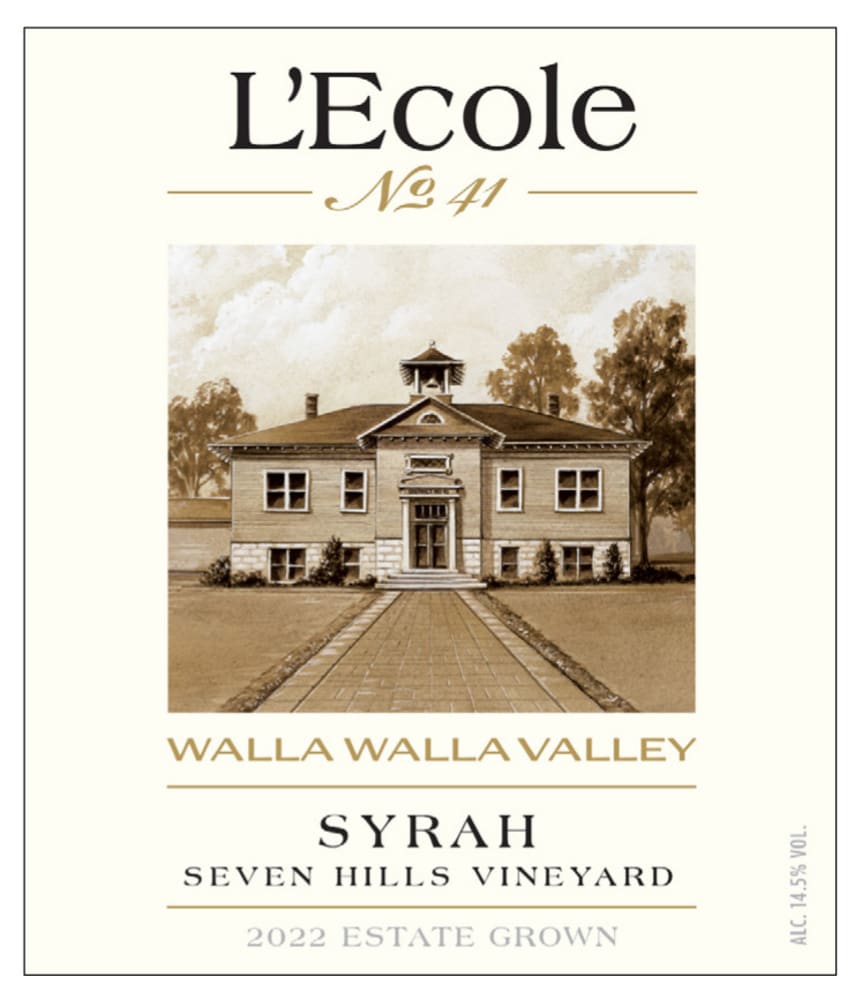
Syrah, also called Shiraz in some regions, showcases bold flavors of blackberries, pepper, and smoky nuances. This variety is ideal alongside spicy dishes and grilled meats.
| Variety | Flavor Profile | Food Pairing |
|---|---|---|
| Cabernet Sauvignon | Dark fruits, earthy | Red meats, hearty dishes |
| Merlot | Plum, cherry | Pasta, grilled vegetables |
| Syrah/Shiraz | Blackberries, pepper, smoky | Spicy dishes, grilled meats |
Tempranillo, a signature grape of Spain, brings flavors of cherry, dried fig, and leather. It complements tapas and grilled fish beautifully.
Malbec
Malbec is known for its deep color and rich flavors of dark fruits and chocolate. It pairs well with barbecued dishes and bold cheeses.
| Variety | Flavor Profile | Food Pairing |
|---|---|---|
| Tempranillo | Cherry, dried fig, leather | Tapas, grilled fish |
| Malbec | Dark fruits, chocolate | Barbecued dishes, bold cheeses |
These selections reflect a range of profiles, ensuring that there’s something to suit various palates and pair beautifully with a wide array of culinary delights.
Understanding Tannin Levels in Dry Red Wines
Tannin concentration directly influences the taste and structure of a wine. Higher levels typically lead to a more astringent mouthfeel, making the experience more intense. To appreciate these nuances, consider the following:
- Measurement: Tannins are measured in grams per liter (g/L). A range of 0.5 to 1.5 g/L is common for lighter varieties, while fuller-bodied options can contain over 3 g/L.
- Source: Tannins originate from grape skins, seeds, and stems. The maceration process during fermentation allows these compounds to infuse into the liquid.
- Impact on Aging: Wines rich in tannins often benefit from cellaring. The aging process softens these compounds, enhancing complexity and balance.
- Tasting Notes: Tannins can impart flavors reminiscent of black tea, dark chocolate, or cedar. Pay attention to how these flavors evolve with exposure to air.
When tasting, I recommend pairing higher tannin options with fatty foods, as fats can mitigate the astringency and enhance the overall experience. Analyzing the interplay between tannins and other components like acidity and fruitiness can deepen appreciation for this beverage.
To identify the tannin level in a glass, consider the sensation it leaves on your palate. A lingering, dry feeling indicates substantial tannin presence, while a smoother, rounder finish suggests a more approachable profile.
Food Pairing Tips for Very Dry Red Wines
For a delightful culinary experience, I recommend pairing these robust beverages with grilled meats. The charred flavors from grilling enhance the wine’s intense profile, creating a harmonious balance. Opt for cuts like ribeye or lamb chops; their richness complements the wine’s tannins beautifully.
Cheese and Charcuterie
Serving a platter of aged cheeses and cured meats works wonders. Hard cheeses like Parmigiano-Reggiano or aged Gouda offer a savory contrast, while prosciutto or salami adds a touch of saltiness that pairs well with the bold character of the beverage.
Vegetarian Options
For a plant-based approach, I suggest roasted vegetables and hearty dishes such as mushroom risotto. The earthiness of mushrooms enhances the complexity of the beverage, while roasted roots provide sweetness that balances the astringency.
How to Properly Taste Very Dry Red Wine
Begin with assessing the appearance. Hold the glass against a white background to observe the color intensity and clarity. A deep hue often indicates richness.
Next, swirl the liquid gently in the glass. This process aerates the beverage, releasing its aromas. Take a moment to inhale the bouquet. Identify primary scents such as dark fruits, spices, or earthy notes.
When tasting, take a small sip and let it linger on your palate. Focus on the flavors that emerge. Note the balance between acidity and tannins, as well as the body of the drink. Consider the finish–how long the flavors persist after swallowing.
To enhance your experience, use the following steps:
- Choose the right glass; a bowl-shaped glass can help concentrate the aromas.
- Ensure the beverage is served at the appropriate temperature, usually around 60-65°F (15-18°C).
- Take multiple sips, allowing time between each to fully appreciate the evolving taste.
Pay attention to texture. The mouthfeel can range from velvety to astringent, influenced by the tannin content. This tactile element is crucial in understanding the complexity of the drink.
Lastly, compare notes with others or reflect on your observations. Over time, patterns may emerge in your preferences, enhancing your appreciation for these unique selections.
Storing and Serving Recommendations for Dry Red Wines
Maintain a temperature between 55°F and 65°F (13°C to 18°C) for optimum preservation. A dedicated wine fridge or a dark, cool cellar works best. Avoid fluctuations in temperature, which can negatively impact the flavors.
Store bottles horizontally to keep corks moist. This prevents air from entering and spoiling the contents. Ensure bottles are kept away from direct sunlight, as UV rays can alter the wine’s profile.

For serving, decanting is beneficial, especially for younger varieties. This process aerates the liquid, enhancing its aromas and flavors. Allow it to breathe for at least 30 minutes before pouring.
Utilize large, bowl-shaped glasses, which facilitate the release of bouquet. Fill glasses only one-third full to allow for swirling and proper aeration.
Be mindful of the food temperature when pairing. Serve at room temperature, but cooler options can complement certain dishes, especially rich, fatty meals. Always taste before serving to ensure the experience matches the occasion.
If tasting multiple types, cleanse your palate with neutral foods or water between samples. This will allow the unique characteristics of each pour to shine without interference.