Chuck Furuya
If you’re seeking a remarkable experience, I highly recommend a Barolo. Hailing from Italy’s Piedmont region, this choice is renowned for its complexity and rich tannins. With flavors of cherry, tar, and rose, it pairs beautifully with hearty dishes, making it a versatile companion for various meals.
An alternative worth considering is a Cabernet Sauvignon from Napa Valley. This robust selection is characterized by dark fruit notes, hints of oak, and a lingering finish. Its bold profile makes it an excellent match for grilled meats and aged cheeses, enhancing culinary experiences significantly.
If you’re inclined towards something unique, try a Chianti Classico. This Tuscan classic showcases bright acidity and flavors of red fruits and herbs. Its versatility allows it to complement a range of Italian dishes, from pasta to pizza, elevating the dining experience with every sip.
Top Regions Known for Quality Dry Red Wines
Bordeaux stands out with its exquisite blends, primarily featuring Cabernet Sauvignon and Merlot. The Left Bank, particularly the Médoc area, is renowned for its structured wines, while the Right Bank, including Pomerol and Saint-Émilion, offers softer, fruit-forward varieties.
Tuscany
In Tuscany, Sangiovese reigns supreme, especially in Chianti and Brunello di Montalcino. These regions produce wines with a balance of acidity and tannins, often showing notes of cherry, plum, and earthy undertones.
California
Napa Valley is synonymous with rich, full-bodied varietals, particularly Cabernet Sauvignon. The region’s diverse microclimates allow for a range of expressions, from bold and fruity to complex and age-worthy. Sonoma County also offers excellent Pinot Noir options, showcasing elegance and finesse.
- Barossa Valley (Australia) – Known for robust Shiraz, often exhibiting ripe fruit and spice.
- Rioja (Spain) – Tempranillo dominates, providing wines with layers of flavor and aging potential.
- Willamette Valley (Oregon) – Renowned for its exceptional Pinot Noir, characterized by bright acidity and red fruit flavors.
Exploring these regions guarantees a delightful experience filled with character and quality. Each area offers unique attributes that cater to diverse palates, ensuring a memorable tasting journey.
Key Characteristics of Dry Red Wines
Aromatic profiles in these beverages often showcase ripe fruits such as black cherries, plums, and blackberries, complemented by earthy notes like leather, tobacco, or spices. Tannins tend to be structured, providing a firm backbone that enhances aging potential.
Acidity and Body
Acidity levels vary but generally fall within a moderate to high range, contributing to freshness and balance. The body can range from light to full, impacting mouthfeel and overall experience. Lighter options work well with poultry, while fuller-bodied varieties pair beautifully with rich meats.
Common Varietals
Familiar grapes include Cabernet Sauvignon, Merlot, Syrah, and Pinot Noir. Each offers distinct characteristics; for instance, Cabernet Sauvignon often presents bold flavors and high tannins, while Pinot Noir provides elegance with softer tannins and bright acidity.
| Varietal | Flavor Profile | Tannin Level | Best Pairings |
|---|---|---|---|
| Cabernet Sauvignon | Black currant, cedar, oak | High | Steak, grilled meats |
| Merlot | Plum, chocolate, herbs | Medium | Pasta, roasted chicken |
| Syrah/Shiraz | Blackberry, pepper, smoke | Medium-High | Lamb, stews |
| Pinot Noir | Cherry, mushroom, earth | Low-Medium | Duck, salmon |
Each varietal offers a unique tasting experience, influenced by terroir and winemaking techniques. Understanding these characteristics aids in selecting the ideal option for any occasion.
How to Choose Dry Red Wine for Different Occasions
For a casual gathering, I often opt for a light-bodied option like Pinot Noir. Its fruit-forward profile and lower tannins make it approachable for guests. Pairing well with various appetizers, it sets a relaxed tone.
When hosting a formal dinner, a full-bodied Cabernet Sauvignon is my go-to. Its bold flavors and structured tannins can stand up to hearty dishes such as steak or lamb, enhancing the overall dining experience.
Celebrating a special milestone? I recommend a sophisticated Merlot. With its smooth texture and rich fruit notes, it complements celebratory meals perfectly while appealing to a wide range of palates.
For outdoor barbecues, I lean towards a fruity Zinfandel. Its jammy characteristics pair wonderfully with grilled meats, making it a crowd-pleaser during warm evenings.
In a romantic setting, a Syrah can add an intimate touch. Its complex layers of dark fruit and spice create an inviting atmosphere, enhancing the mood of the evening.
When selecting a bottle as a gift, a well-balanced Malbec is a safe choice. It’s versatile and widely appreciated, making it suitable for various tastes and occasions.
- Casual gatherings: Pinot Noir
- Formal dinners: Cabernet Sauvignon
- Special milestones: Merlot
- Outdoor barbecues: Zinfandel
- Romantic evenings: Syrah
- Gift-giving: Malbec
Popular Dry Red Wine Varieties to Try
Merlot stands out with its smooth texture and rich fruit flavors, making it a favorite among enthusiasts. I recommend exploring options from California or Bordeaux for a balanced experience.
Cabernet Sauvignon is another classic choice, known for its boldness and complexity. Look for bottles from Napa Valley or Chile, which often deliver excellent value and depth.
Pinot Noir captivates with its elegance and versatility. Oregon and Burgundy offer exceptional examples that showcase its signature cherry notes and earthy undertones.
Syrah, particularly from the Rhône Valley or Australia, offers a robust profile with spicy and smoky characteristics. This variety often pairs well with hearty dishes.
Malbec, especially from Argentina, delivers a fruit-forward experience with soft tannins and hints of cocoa. This variety is perfect for those who enjoy a smoother finish.
Tempranillo from Spain embodies a unique blend of fruit and spices, making it an intriguing option. Seek out wines from Rioja for an authentic taste of this variety.
Grenache, often blended with other varietals, shines in regions like the Southern Rhône and Spain. It provides a juicy profile with red fruit flavors, ideal for casual sipping.
Each of these selections offers distinct attributes and flavor profiles, ensuring an exciting tasting experience. I suggest trying a few to find your personal favorites.
Tasting Notes: What to Look for in Dry Red Wines
Focusing on aroma and flavor is key. When assessing these beverages, I explore the scent profile first. Look for notes that range from fruity–think dark berries or cherries–to earthy hints like leather or tobacco. A complex nose often indicates a higher quality product.
Palate Experience
On the palate, balance stands out. Tannins should be firm yet smooth, providing structure without overwhelming. Acidity is crucial, adding freshness and making it food-friendly. I appreciate a lingering finish; it often reflects depth and craftsmanship.
Visual Appeal
Appearance matters as well. A rich, deep color can suggest concentration. Swirling in the glass reveals viscosity; legs indicate alcohol content, which might affect mouthfeel. Observing these aspects enhances the overall tasting experience.
Consider pairing options too. Certain flavor profiles complement specific dishes, enhancing the entire meal. Experimentation can lead to delightful discoveries.
Food Pairings: Best Matches for Dry Red Wines
For an exceptional experience, I recommend pairing Cabernet Sauvignon with grilled steak. The bold tannins and rich flavors complement the charred exterior and juicy interior of the meat beautifully.
Cheese and Charcuterie
Merlot pairs wonderfully with soft cheeses like Brie or Camembert. The wine’s fruitiness enhances the creamy texture, creating a delightful balance. Additionally, a blend of prosciutto and salami works well with a medium-bodied Syrah, adding a savory element that enhances the wine’s deep fruit notes.
Pasta Dishes
Spaghetti Bolognese thrives with a Chianti. The acidity of the sauce matches the acidity in the wine, creating harmony on the palate. For a more robust option, a Zinfandel alongside a meat lasagna provides a fantastic flavor synergy, where the wine’s spiciness complements the richness of the dish.
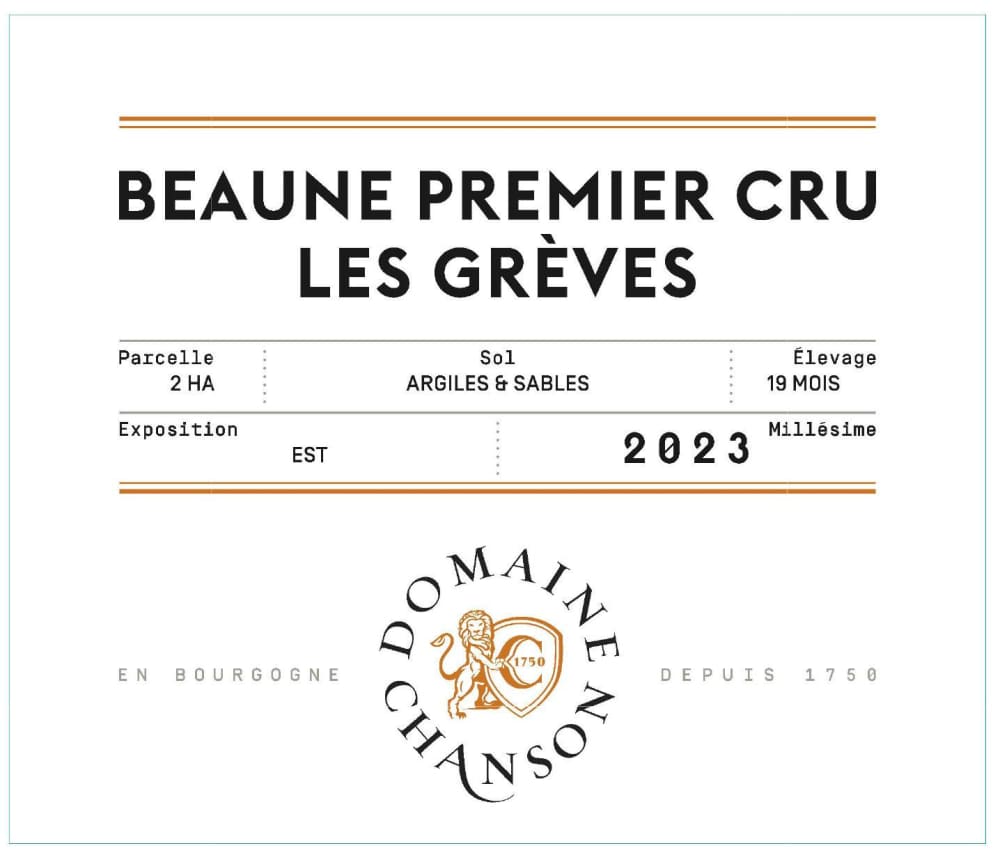
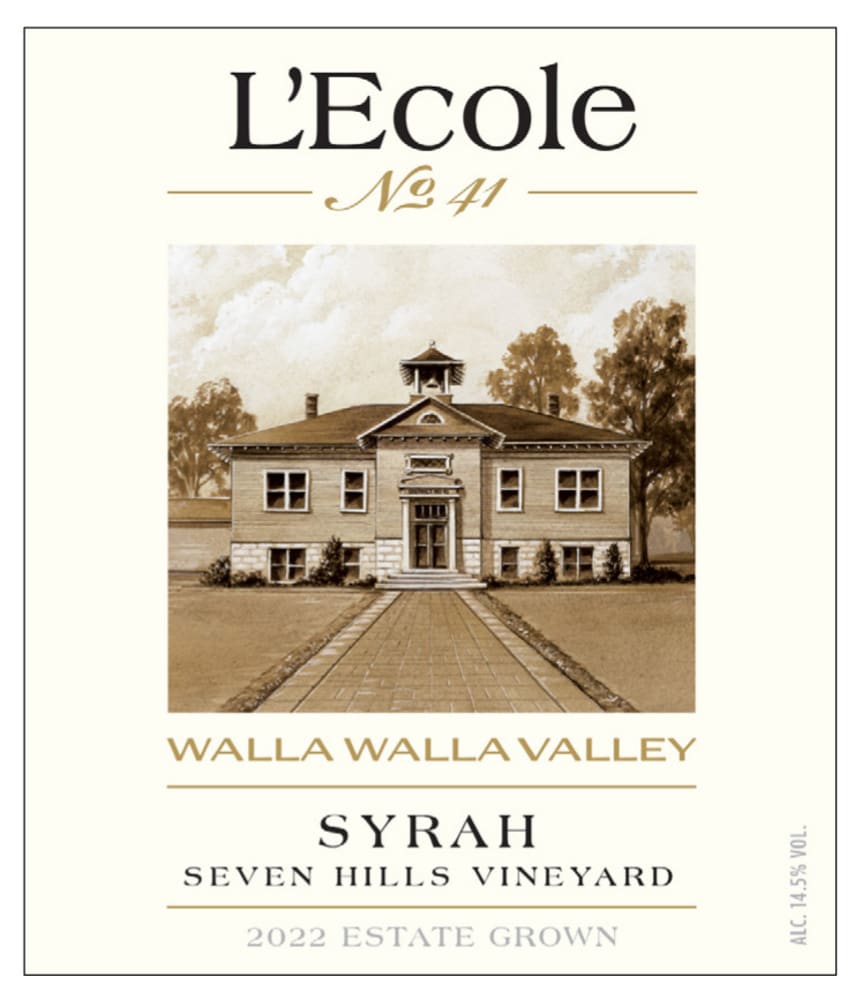
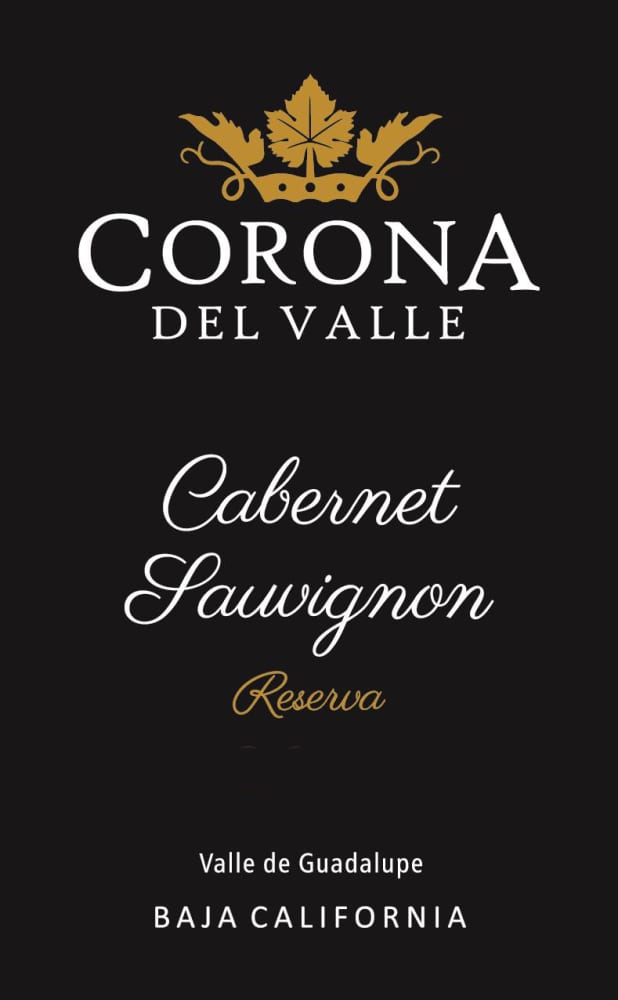
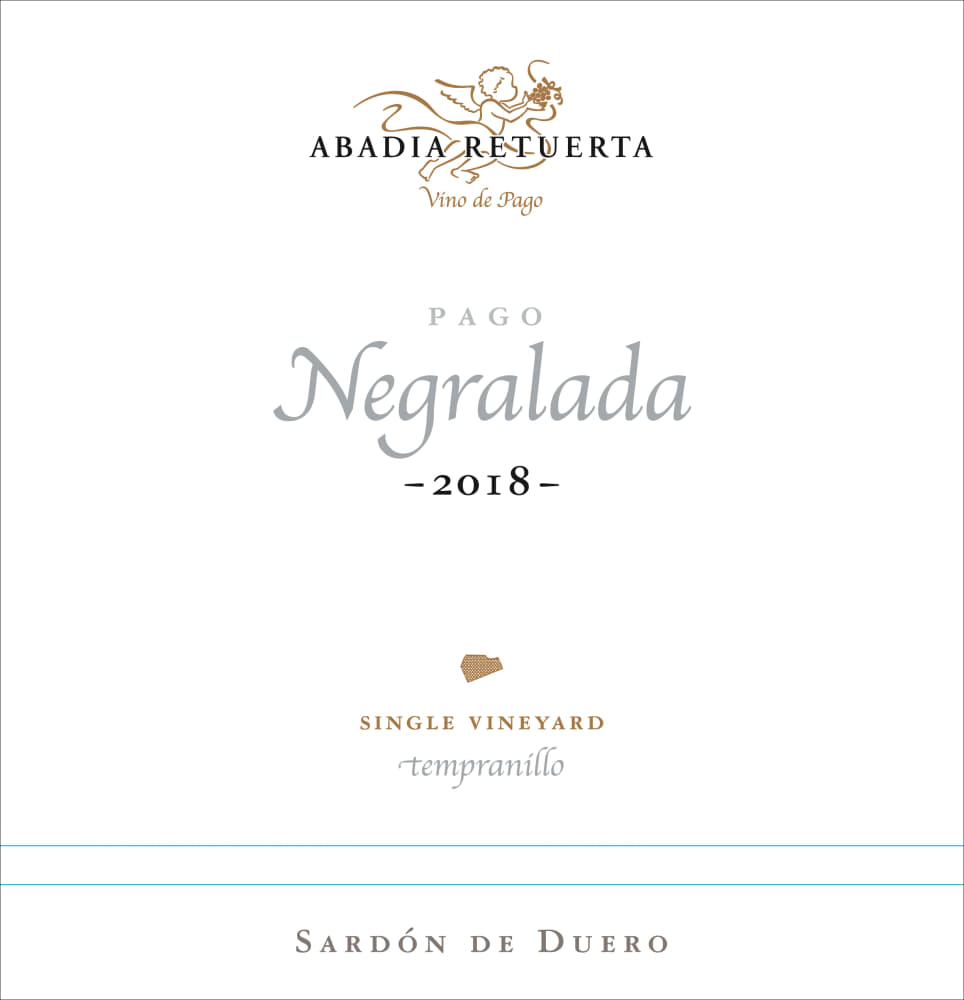
Understanding Wine Labels: What to Look For
Focus on the region of origin. Labels often indicate where the grapes were grown, which greatly influences flavor profiles. Look for renowned areas like Bordeaux, Napa Valley, or Tuscany, as these regions typically produce exceptional varieties.
Check the varietal information. A specific grape type, such as Cabernet Sauvignon or Merlot, provides insights into taste and aroma. Each varietal has distinct characteristics; knowing them helps in selecting a bottle that aligns with personal preferences.
Alcohol content is another key detail. Generally, wines with higher alcohol percentages may have bolder flavors, while those with lower levels tend to be lighter. This can inform choices based on the occasion or meal pairing.
Pay attention to vintage year. The year the grapes were harvested can indicate quality and taste. Some years produce better conditions for grape growing, resulting in superior products. Researching particular vintages can enhance selection accuracy.
Look for certifications or classifications, such as AOC (Appellation d’Origine Contrôlée) or DOC (Denominazione di Origine Controllata). These designations signify adherence to specific quality standards, offering an assurance of excellence.
Lastly, read tasting notes if available. These descriptions often highlight key flavors and aromas, giving a clearer picture of what to expect. This information can guide your choice, ensuring it aligns with your palate.
Where to Buy Quality Dry Red Wine
Visiting local wineries offers an excellent opportunity to taste and purchase exceptional bottles directly from producers. Many vineyards provide tastings and exclusive selections not available in stores.
Online Retailers
Numerous online platforms specialize in delivering premium selections right to your door. Here are some notable options:
- Wine.com – A vast inventory with detailed descriptions and reviews.
- Vivino – A user-driven marketplace where you can find recommendations based on ratings and reviews.
- Drizly – Quick delivery service for a range of alcoholic beverages, including various styles.
Local Wine Shops
Support your neighborhood by exploring wine shops that curate selections from local and international vineyards. Knowledgeable staff can provide personalized recommendations based on preferences.
- Specialty Stores – Often focus on unique, high-quality selections.
- Grocery Chains – Many supermarkets now offer a dedicated wine section with curated options.
Participating in wine festivals or local tasting events also allows for direct interaction with producers and the chance to purchase limited releases.
Finally, consider joining a wine club that delivers curated selections to your home. This can introduce you to varieties you might not have tried otherwise.
FAQ:
What factors should I consider when choosing a dry red wine?
When selecting a dry red wine, there are several factors to keep in mind. First, consider the grape variety, as different grapes produce distinct flavors and aromas. Popular options include Cabernet Sauvignon, Merlot, and Pinot Noir. Next, think about the wine’s origin; regions like Bordeaux and Napa Valley are known for their high-quality reds. Additionally, pay attention to the wine’s body and tannin levels, as these characteristics can affect your overall tasting experience. Lastly, consider food pairings, as certain wines complement specific dishes better than others.
Can you recommend some specific dry red wines for casual drinking?
For casual drinking, some great dry red wines include 2018 Alamos Malbec from Argentina, which offers rich fruit flavors and smooth tannins. Another excellent choice is the 2019 La Vieille Ferme Rouge from the Southern Rhône, known for its easy-drinking style and versatility. If you prefer something lighter, try a 2020 Meiomi Pinot Noir, which has a nice balance of fruit and acidity. Each of these wines is approachable and pairs well with a variety of foods, making them perfect for relaxed gatherings.
How do I properly store dry red wine to maintain its quality?
Storing dry red wine correctly is vital for preserving its flavor and aroma. Ideally, wine should be kept in a cool, dark place with a constant temperature, preferably between 50-65°F (10-18°C). Avoid direct sunlight and fluctuations in temperature. It’s also important to store bottles horizontally to keep the cork moist, preventing air from entering. Additionally, consider investing in a wine fridge if you plan to store wine long-term, as it provides optimal conditions for aging and preserving wine quality.
What is the best way to serve dry red wine?
To serve dry red wine at its best, first, ensure it is at the right temperature. Generally, red wines are best served slightly cooler than room temperature, around 60-65°F (15-18°C). Decanting the wine can enhance its flavors by allowing it to breathe. Pour the wine into a suitable glass, ideally a bowl-shaped glass that allows for better aeration. Finally, allow guests to swirl the wine gently in their glasses, which helps release its aromas for a more enjoyable tasting experience.
How can I tell if a dry red wine is of good quality?
Determining the quality of a dry red wine involves several factors. First, examine the wine’s appearance; it should be clear with vibrant color. Next, give it a sniff; high-quality wines often have complex aromas with layers of fruit, spice, and earthiness. When tasting, pay attention to the balance of acidity, tannins, and sweetness. A good wine will have a long finish, leaving pleasant flavors on the palate. Additionally, consider the producer’s reputation and reviews from wine critics, as these can provide insight into the wine’s quality.
What type of dry red wine is best for beginners?
For those new to dry red wines, Pinot Noir is often recommended. This wine is known for its light body and smooth tannins, making it easier to drink compared to heavier reds. It typically has fruit-forward flavors, such as cherry and raspberry, which can be appealing to novice wine drinkers. Additionally, Merlot is another good option, as it is soft and approachable, with a plum and chocolate profile that many find enjoyable.
How do I choose a good dry red wine for a special occasion?
When selecting a dry red wine for a special occasion, consider the food you will be serving, as wine should complement your meal. For red meats, a Cabernet Sauvignon or a Malbec can enhance the flavors beautifully. If you’re planning to serve a lighter dish, such as chicken or pasta, a Chianti or a Grenache may be more suitable. It’s also wise to look for wines from reputable regions known for their red varieties, such as Bordeaux in France or Napa Valley in California, as these areas are known for producing high-quality wines.
What are the key characteristics to look for in a good dry red wine?
Key characteristics of a good dry red wine include balance, complexity, and depth of flavor. A well-balanced wine should have a harmonious relationship between acidity, tannins, and fruit flavors. Complexity can be identified through various aromas and flavors that develop as the wine opens up, including notes of spice, earthiness, or floral undertones. Additionally, a good dry red wine often has a lingering finish, meaning the flavors remain on your palate after swallowing, which is a sign of quality.
Can you recommend some dry red wines that are affordable yet high quality?
Absolutely! There are several affordable dry red wines that don’t compromise on quality. Look for Spanish Tempranillo, which often offers great value and has rich, fruity flavors. Another excellent choice is Chilean Carménère, known for its deep flavors and smooth finish at reasonable prices. Additionally, many Italian Chianti wines are budget-friendly and pair well with a variety of foods. Lastly, consider exploring wines from regions like Portugal, where you can find lovely dry reds such as Douro or Alentejo that are both tasty and wallet-friendly.