Chuck Furuya

If you’re looking to expand your palate, consider trying a Cabernet Sauvignon. This full-bodied selection, known for its rich flavors of dark fruits and hints of spice, pairs beautifully with grilled meats and hearty dishes.
Another excellent choice is Merlot, which offers a softer profile with lush fruit notes, making it an approachable option for many. Its versatility allows it to complement a wide range of foods, from pasta to poultry.
For those who enjoy a more robust experience, Malbec should be on your radar. Originating from Argentina, this variant showcases deep plum and blackberry flavors, often accompanied by a touch of smokiness, making it an ideal match for barbecued fare.
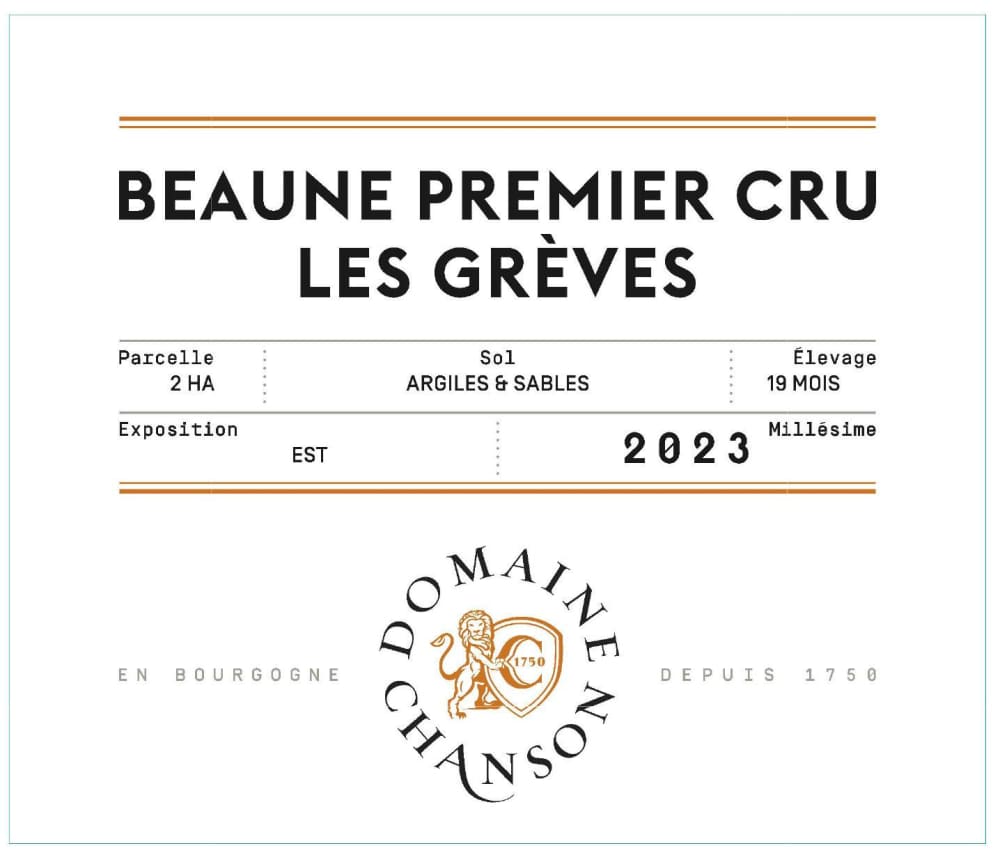
If you prefer something with a bit of earthiness, consider Pinot Noir. This lighter-bodied option boasts bright acidity and complex aromas, perfect for pairing with salmon or mushroom dishes.
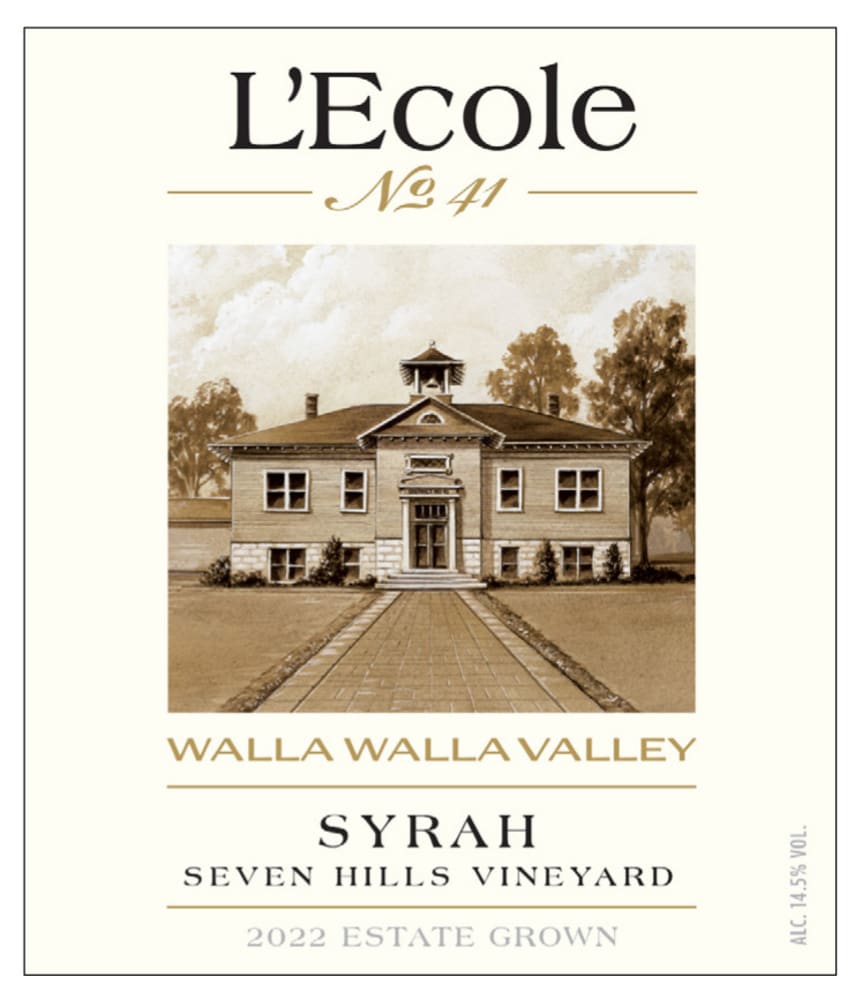
Lastly, Syrah, often referred to as Shiraz in Australia, delivers bold flavors of dark berries, black pepper, and sometimes a hint of chocolate. It’s an excellent companion for rich, savory meals.
Understanding the Characteristics of Cabernet Sauvignon
Cabernet Sauvignon stands out due to its bold flavors and structure. I recommend trying bottles with a minimum of five years of aging, as this allows the tannins to soften and the complex flavors to develop.
Aroma Profile
- Blackcurrant
- Cedar
- Herbs
- Spices
- Dark chocolate
Flavor Notes
This variety typically showcases rich fruit flavors, including black cherry and plum, complemented by notes of tobacco and leather. A well-balanced Cabernet Sauvignon will have a harmonious blend of acidity and tannins, enhancing its aging potential.
Pairing options include hearty dishes such as grilled meats, rich stews, and aged cheeses. These combinations highlight the wine’s complexity and enhance the overall dining experience.
Regions such as Napa Valley, Bordeaux, and Coonawarra produce exceptional examples, each reflecting the unique terroir and winemaking techniques. Exploring these different origins can provide insights into the diverse expressions of this classic varietal.
Exploring the Unique Flavor Profile of Merlot
I highly recommend trying Merlot for its smooth and approachable characteristics. This varietal showcases a delightful balance of fruitiness and subtle complexity, making it an excellent choice for both novice and seasoned enthusiasts.
The flavor profile typically includes notes of ripe plum, black cherry, and raspberry, often complemented by hints of chocolate and vanilla. The soft tannins provide a velvety mouthfeel, allowing the fruit flavors to shine without overwhelming the palate.
Identifying the Distinctive Notes of Pinot Noir
Pinot Noir captivates with its elegance and complexity. I often detect a bouquet of red fruits such as cherry, raspberry, and strawberry. These fresh, fruity aromas are often complemented by earthy undertones, reminiscent of forest floor or mushrooms, which add depth to the experience. As it opens up, floral notes like rose and violet may emerge, enhancing the wine’s aromatic profile.
On the palate, this varietal exhibits a medium body with balanced acidity. The fruit flavors typically mirror the nose, showcasing that vibrant cherry and raspberry essence. However, the finish can surprise with hints of spice, such as cinnamon or clove, and sometimes a subtle smokiness, especially in bottles aged in oak barrels. The tannins are usually soft, contributing to a smooth mouthfeel.
In my tastings, I’ve found that the terroir plays a significant role in defining the nuances of Pinot Noir. For instance, wines from Burgundy often reveal more minerality and floral notes, while those from California may lean towards bolder fruit profiles. When pairing, I recommend lighter dishes like grilled salmon or roasted chicken, as they complement the wine’s delicate structure without overpowering it.
Ultimately, each bottle can tell a different story, influenced by its origin and the winemaker’s approach, making every tasting a unique experience. Exploring these variations has deepened my appreciation for this remarkable varietal.