Chuck Furuya


I recommend exploring bottles that have been carefully stored for years, as they often reveal complex flavors and aromas that are a delight to the senses. Look for vintages that are at least ten years old, as this age typically allows the drink to develop a more nuanced profile, showcasing notes of dark fruit, leather, and earthy undertones.
Pay attention to the region of origin; varieties from Bordeaux, Tuscany, and Napa Valley are renowned for their aging potential and can present a delightful experience when uncorked after a decade or more. The climate and soil composition in these areas contribute significantly to the character of the beverage, enhancing its depth and complexity.

When tasting, take note of the balance between acidity and tannins. A well-aged bottle should exhibit a harmonious interplay, where the initial boldness of tannins softens with time, allowing the underlying fruit to shine through. I suggest pairing such selections with rich dishes like lamb or aged cheeses to truly appreciate their intricate profiles.
Understanding Aged Red Varietals
I recommend focusing on the year of production, as this significantly affects the character and complexity of the beverage. Typically, a bottle designated as an aged offering must be at least five years old. The aging process allows for the development of intricate flavors and aromas, which can include notes of dark fruits, spices, and earthy undertones.
Key Characteristics
Look for bottles with a well-documented history, as provenance plays a crucial role in value and quality. These beverages often exhibit a balance between acidity and tannins, contributing to a smoother mouthfeel. I suggest paying attention to the region of origin, as different areas produce unique profiles influenced by climate and soil conditions.
Storage and Serving Tips
Proper storage is vital; maintain a consistent temperature around 55°F (13°C) and avoid direct sunlight. When ready to serve, allow it to breathe for at least an hour, enhancing its flavor profile. I find that pairing with rich dishes, such as red meats or hearty stews, complements the complex taste, creating a delightful dining experience.
Defining Vintage Red Wine: Key Characteristics
To identify exceptional bottles from specific years, I focus on several defining traits. First, the origin is crucial; renowned regions like Bordeaux, Napa Valley, and Barossa Valley have established reputations for producing remarkable varieties that age gracefully.
Aging Potential
Next, the aging potential is significant. High-quality selections often exhibit tannins, acidity, and structure that allow them to develop complex flavors over time. I pay attention to the balance between these components, as it indicates how well the beverage will mature.
Flavor Profile
The flavor profile is another key characteristic. Rich notes of dark fruits, spices, and earthy undertones are common in well-crafted selections. I often look for subtle hints of oak, which can enhance the overall character through careful aging in barrels.
- Fruity undertones: Blackcurrant, cherry, plum
- Spicy notes: Pepper, clove, vanilla
- Earthy elements: Leather, tobacco, forest floor
Additionally, I consider the bottle’s history, including its production methods and the winemaker’s expertise. A well-documented background often correlates with superior quality and value. Lastly, I examine the bottle’s condition; proper storage and handling play a vital role in preserving its integrity and enhancing the tasting experience.
Understanding the Aging Process of Red Wine
To appreciate the development of this cherished beverage, one must grasp how the aging process influences its complexity and character. The key factor is the interaction between the liquid and the environment, predominantly through the cork and the barrel. This exchange allows for the gradual maturation of flavors and aromas.
Oxidation and Flavor Development
As the drink ages, oxidation plays a significant role in flavor transformation. Oxygen gradually seeps in, softening tannins and enhancing the bouquet. Over time, fruity notes evolve into deeper, more intricate profiles, incorporating hints of earth, spice, and even leather. This change is often desired, as it contributes to a more refined tasting experience.
Role of Tannins and Acidity
Tannins, derived from grape skins, seeds, and stems, contribute to the structure and longevity of the liquid. During aging, tannins polymerize, leading to a smoother mouthfeel. The balance between acidity and tannins is crucial; higher acidity can aid in preservation, allowing for prolonged aging without a decline in quality. Monitoring these elements is essential for determining the optimal aging period.
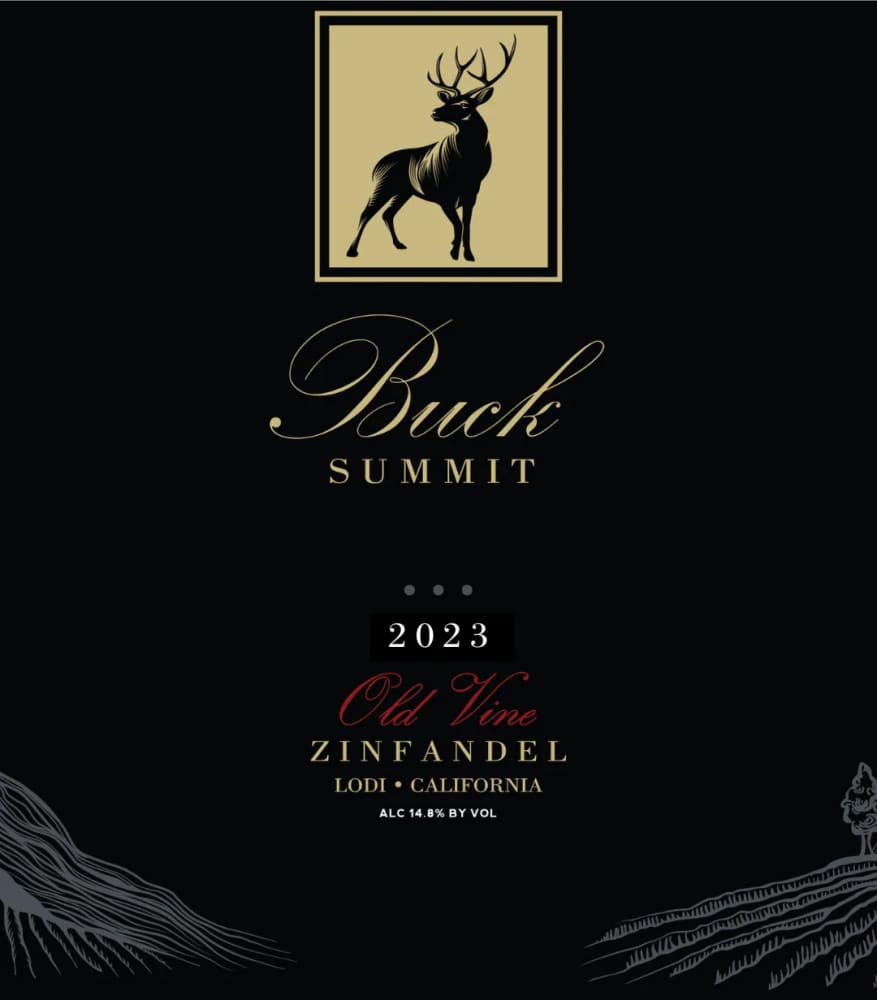
How to Identify a Vintage Red Wine by Label
Check the label for the year of harvest. An older year often signifies a bottle of interest, but verify the region and producer as well, since these factors greatly influence quality.
Look for specific terms indicating a prestigious classification. Terms such as “grand cru” or indications of specific vineyard sites can suggest higher caliber. These designations often accompany thorough regulations regarding production and aging.
Examine the producer’s name. Renowned houses typically maintain consistency in quality and style. Research their history and reputation for additional context about the bottle you’re considering.
Inspect for any awards or ratings printed on the label. Recognitions from wine competitions or publications can provide insight into the specific vintage’s acclaim.
Review the region of origin. Some areas are celebrated for their exceptional offerings, and certain years may be noted for outstanding conditions that produced remarkable results. Understanding the climate and soil characteristics can deepen your appreciation.
Take note of the alcohol percentage. Higher levels can indicate a ripe, concentrated fruit profile, whereas lower percentages might suggest a more delicate wine style.
Lastly, be aware of any additional information provided on the back label. This often includes tasting notes, food pairings, and aging potential, which can enhance your understanding of the wine’s character and suitability for your palate.
The Role of Terroir in Vintage Red Wines
Understanding the influence of terroir is fundamental to appreciating fine bottles from notable years. Terroir encompasses the unique combination of soil, climate, and topography, which shapes the characteristics of grapes and ultimately the quality of the finished product.
- Soil Composition: The mineral content and structure of soil significantly affect the flavor profile. For instance, clay retains moisture, while sandy soils facilitate drainage. Regions like Bordeaux and Burgundy exhibit distinct soil types that contribute to their renowned offerings.
- Climate Variability: Temperature and precipitation patterns during the growing season impact grape ripening. Warmer climates tend to produce bolder flavors, whereas cooler regions often yield more delicate and nuanced profiles. Understanding the climate of a specific vintage can guide expectations for taste.
- Elevation: Higher altitudes can lead to cooler temperatures, which slow ripening and enhance acidity. This balance is crucial for producing elegant and age-worthy selections. Notable areas such as Napa Valley showcase how elevation plays a role in developing complexity.
- Microclimates: Within a single vineyard, variations in sunlight, wind, and moisture can create microclimates that influence grape development. Identifying these subtleties can enhance appreciation for specific bottles and their unique attributes.
When tasting a selection, consider how these factors interact. The sense of place imbued in each bottle tells a story that transcends mere flavor, connecting the consumer to the land and its heritage. This alignment of environment and craftsmanship is what makes certain years stand out in the world of fine beverages.

Popular Grape Varieties Used in Vintage Red Wines
For collectors and enthusiasts, understanding the grape types that contribute to exceptional bottled varieties is key. Here are some notable varieties that often shine in aged offerings:
Cabernet Sauvignon
This grape thrives in regions like Bordeaux and Napa Valley. It’s known for its deep color, intense flavors, and excellent aging potential. Characteristics often include blackcurrant, cedar, and hints of tobacco, making it a staple in high-quality selections.
Merlot
Merlot provides a softer, fruit-forward profile with plum and cherry notes. Its smooth tannins and early drinkability make it an attractive choice for many winemakers, often blended with more robust varieties for balance.
Pinot Noir
Renowned for its elegance, this grape is sensitive to terroir. Regions like Burgundy produce complex wines with red fruit, earthiness, and floral aromas. The subtlety of Pinot Noir allows for nuanced aging, revealing layers of flavor over time.
Syrah/Shiraz
With origins in the Rhône Valley, this variety offers bold flavors of dark berries, pepper, and smokiness. Its full-bodied nature and velvety texture result in captivating bottles that age gracefully.
| Grape Variety | Key Characteristics | Notable Regions |
|---|---|---|
| Cabernet Sauvignon | Intense flavors, blackcurrant, cedar | Bordeaux, Napa Valley |
| Merlot | Soft, fruity, plum, cherry | Bordeaux, California |
| Pinot Noir | Elegant, red fruit, earthy | Burgundy, Oregon |
| Syrah/Shiraz | Bold, dark berries, pepper | Rhône Valley, Australia |
Focusing on these grape types will enhance any collection or tasting experience. Each variety offers unique characteristics that contribute to the overall quality and aging potential of the finished product.

Evaluating the Quality of Vintage Red Wine
To assess the caliber of aged crimson beverages, I focus on several key factors. First, I evaluate the sensory attributes. A well-crafted bottle should exhibit a harmonious balance of acidity, tannins, and fruit flavors. Look for complex aromas that evolve in the glass, revealing notes of dark fruits, spices, or earthy undertones.
Next, I examine the visual aspects. The hue can provide hints about the age and health of the liquid. A deep, rich color often signifies youthful vitality, while lighter edges may indicate maturity. Clarity is crucial; any cloudiness could suggest faults.
Temperature is another critical element. Serving at the appropriate temperature enhances the tasting experience. I prefer reds slightly below room temperature, around 60-65°F (15-18°C), to allow the bouquet to unfold without overwhelming the palate.
For a comprehensive evaluation, I consider the provenance. Knowing the vineyard’s reputation and the vintage year can inform expectations. Prestigious regions known for producing quality bottles often have a consistent track record.
Lastly, I take into account the bottle’s condition. A well-stored bottle with an intact cork and label is a positive sign. Any signs of leakage or mold may indicate poor handling or storage issues that could compromise the contents.
In summary, I prioritize sensory evaluation, visual inspection, ideal serving temperature, provenance, and bottle integrity when determining the quality of these exquisite beverages.
Best Food Pairings for Vintage Red Wine
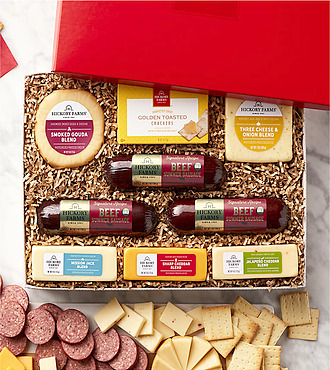
For an exceptional dining experience, consider pairing mature bottles with dishes that complement their complex flavors. Hearty meats are often a perfect match.
| Food | Recommended Pairing Notes |
|---|---|
| Grilled Lamb | The rich, gamey taste harmonizes with the wine’s depth and tannins. |
| Beef Wellington | The flaky pastry and tender beef enhance the smooth texture of the drink. |
| Roasted Duck | The sweet, fatty profile of the duck contrasts beautifully with the wine’s acidity. |
| Wild Mushroom Risotto | Earthy flavors of mushrooms resonate with the wine’s aromatic profile. |
| Aged Cheddar | The bold flavors of the cheese complement the complexity of the beverage. |
| Dark Chocolate Tart | The bitterness of chocolate pairs well with the fruitiness and tannins of the drink. |
Experiment with regional cuisines that highlight local ingredients. This enhances the tasting experience and can reveal new dimensions in flavor. Enjoy the exploration of textures and tastes that come alive with each sip and bite.