
 Chuck Furuya


For most light and crisp varieties, a maximum duration of 1 to 2 years is advisable. This timeframe allows their fresh fruit characteristics to shine without losing vibrancy.
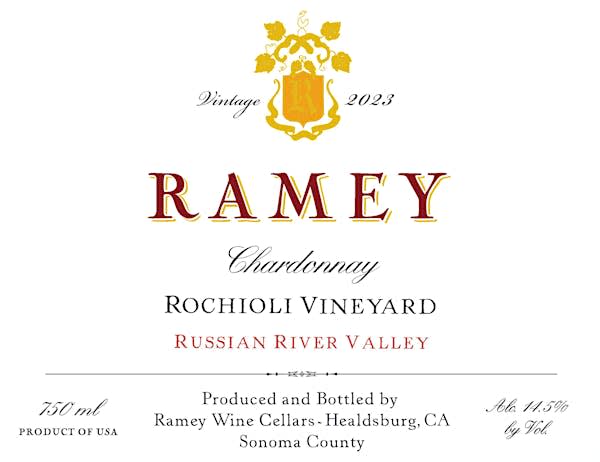
In contrast, some fuller-bodied options, like Chardonnay or Viognier, can mature gracefully for up to 5 years. These selections benefit from a bit more time, developing complex flavors and a rounder mouthfeel.
Even rarer bottles, particularly those with oak influence or higher acidity, may remain enjoyable for a decade or more. However, regular tasting is essential to gauge their evolving profile and ensure peak enjoyment.
Storing at consistent temperatures, away from direct sunlight, is crucial to prolong flavor integrity. A designated area with stable humidity levels will also help maintain quality during the aging process.
Understanding the Types of White Wine
Chardonnay, commonly known for its rich and buttery flavors, can thrive for up to 10 years or more, depending on the region and production method. The oak aging process enhances its complexity, making it a favorite among collectors.
Sauvignon Blanc, characterized by its crisp acidity and bright fruit notes, is best enjoyed within 2 to 5 years. However, some premium versions, like those from Bordeaux, can last longer and develop deeper flavors over time.
Riesling offers a wide range of styles, from dry to sweet. While most are best consumed young, late-harvest Rieslings can age beautifully, lasting up to 20 years, creating a harmonious balance of sweetness and acidity.
Pino Grigio, light and refreshing, is typically enjoyed within 1 to 3 years. It’s designed to be consumed young to appreciate its zesty character.
Gewürztraminer, known for its aromatic profile, tends to age well, especially when produced in a late-harvest style. These can be cellared for up to 10 years, evolving into rich, complex flavors.
In summary, the aging potential varies significantly among different types. Recognizing the characteristics of each variety aids in making informed decisions about storage and enjoyment.
Factors Affecting Aging Potential of White Varietals
Storage temperature plays a critical role in the longevity of these beverages. Ideally, a consistent temperature between 45°F to 65°F (7°C to 18°C) is recommended. Fluctuations can lead to premature aging or spoilage.
Acidity and Sugar Levels
Higher acidity generally promotes better aging potential, as it helps preserve the wine and enhances its complexity over time. Similarly, wines with elevated sugar levels, such as late-harvest or dessert styles, can age gracefully, allowing for richer flavors to develop.
Oaking and Winemaking Techniques
- Oaked varieties often have better aging capacity due to the integration of tannins, which contribute to structure and complexity.
- Stainless steel fermentation usually results in fresher, fruit-forward profiles that may not age as well as their oaked counterparts.
Understanding the influence of these elements can assist in selecting bottles that will evolve beautifully over time.
Optimal Storage Conditions for White Wine
The ideal environment for preserving this beverage includes a consistent temperature between 45°F to 65°F (7°C to 18°C). A temperature around 50°F (10°C) is often recommended for optimal aging.
Humidity levels should hover around 60% to 70%. Higher humidity prevents corks from drying out, which could lead to oxidation. However, excessive moisture can promote mold growth, so monitoring is key.
Light exposure must be minimized; ultraviolet rays can degrade the quality of the liquid. Store bottles in a dark area or use tinted glass to protect against light damage.
Vibration can disturb the sediment in a bottle, affecting the flavor profile. Thus, placing bottles on a stable surface away from appliances that generate vibrations is crucial.
Positioning bottles horizontally keeps the cork moist and prevents air from entering the bottle. This method is particularly effective for corked bottles, ensuring freshness.
Air quality matters as well. A clean, odor-free environment is necessary since strong smells can permeate the cork and alter the taste. Avoid storing near cleaning products or strong-smelling foods.
Regularly checking conditions and making adjustments will help maintain the integrity of the stored beverages, allowing them to reach their full potential over time.


