Chuck Furuya

Aerating is a crucial step to elevate the taste profile of full-bodied varietals. By allowing exposure to air, the wine undergoes a transformation, softening tannins and enhancing aromatic compounds. This process not only enriches the sensory experience but also balances flavors, making each sip more enjoyable.
Choosing an appropriate vessel designed for this purpose facilitates optimal oxygen interaction. The wider base promotes increased surface area, allowing for improved aeration. I’ve found that pouring at least a half-hour before consumption yields noticeable improvements in complexity and depth.

Additionally, sediment separation becomes easier, ensuring a cleaner pour. This is particularly beneficial for older selections, where sediment can detract from the overall experience. Implementing this simple technique can dramatically enhance the enjoyment of each glass.
Enhancing Aromas and Flavors through Aeration
I recommend pouring the liquid into a wide vessel to maximize exposure to air. This process allows volatile compounds to evaporate, enhancing the bouquet and flavor profile. Oxygen interacts with the liquid, softening tannins and revealing hidden notes that may not be detectable in a bottle.
Pouring gently increases surface area, encouraging aromatic compounds to rise. I often swirl the container to further facilitate this interaction, promoting a fuller experience. Allowing the liquid to breathe for at least 30 minutes can significantly elevate the tasting experience.
For optimal results, consider the age of the beverage. Younger varieties benefit from prolonged aeration, while older selections may require minimal exposure to avoid over-oxidation. I suggest tasting periodically to find the perfect balance.
Incorporating this practice not only enriches flavors but also transforms the overall enjoyment, making each sip a more captivating experience. I find that sharing this approach with friends often sparks lively discussions about the nuances discovered during tasting sessions.
Separating Sediment for a Cleaner Pour
I recommend using a vessel designed for aeration to effectively separate sediment from aged varieties. As these beverages mature, they often develop sediment due to the natural processes involved in aging. Pouring without a proper vessel can lead to an unappealing experience, with residue clouding the liquid and altering its appearance.
Technique for Pouring
Begin by standing the bottle upright for several hours before pouring. This allows sediment to settle at the bottom. When ready, tilt the bottle slowly, pouring gently into your chosen vessel. Stop pouring just before sediment reaches the neck of the bottle, ensuring a clean pour. This method results in a visually appealing presentation and enhances enjoyment.
Benefits of Clarity
A clear pour not only improves aesthetics but also impacts flavor perception. Sediment can impart bitterness, masking the intended taste profile. By eliminating sediment, the true character of the beverage shines, allowing for a more pleasurable tasting experience. I find that this practice elevates gatherings, making them more enjoyable for everyone involved.
Temperature Regulation and Serving Conditions
To achieve optimal enjoyment of full-bodied varieties, serving at the right temperature is non-negotiable. Aiming for a range of 60°F to 65°F (15°C to 18°C) allows for the flavors to shine without overpowering tannins or acidity.
Here are key points for temperature management:
- Store bottles in a climate-controlled environment, ideally around 55°F (13°C).
- Before pouring, let the bottle sit in a cooler or an ice bucket for about 15 to 30 minutes to lower the temperature if stored at room temperature.
- Avoid direct sunlight and heat sources to prevent premature aging and flavor degradation.
For serving, consider the following:
- Use a thermometer to check the temperature before pouring. A simple digital or infrared thermometer can be effective.
- Decanting not only helps with aeration but also aids in temperature adjustment, allowing for a slight increase as the liquid sits.
- For prolonged enjoyment during gatherings, keep an ice bucket nearby for quick adjustments if the temperature rises.
By monitoring and adjusting temperatures, I can ensure each sip delivers the intended experience, preserving the integrity of the complexities within each pour.
Visual Presentation and Wine Appreciation
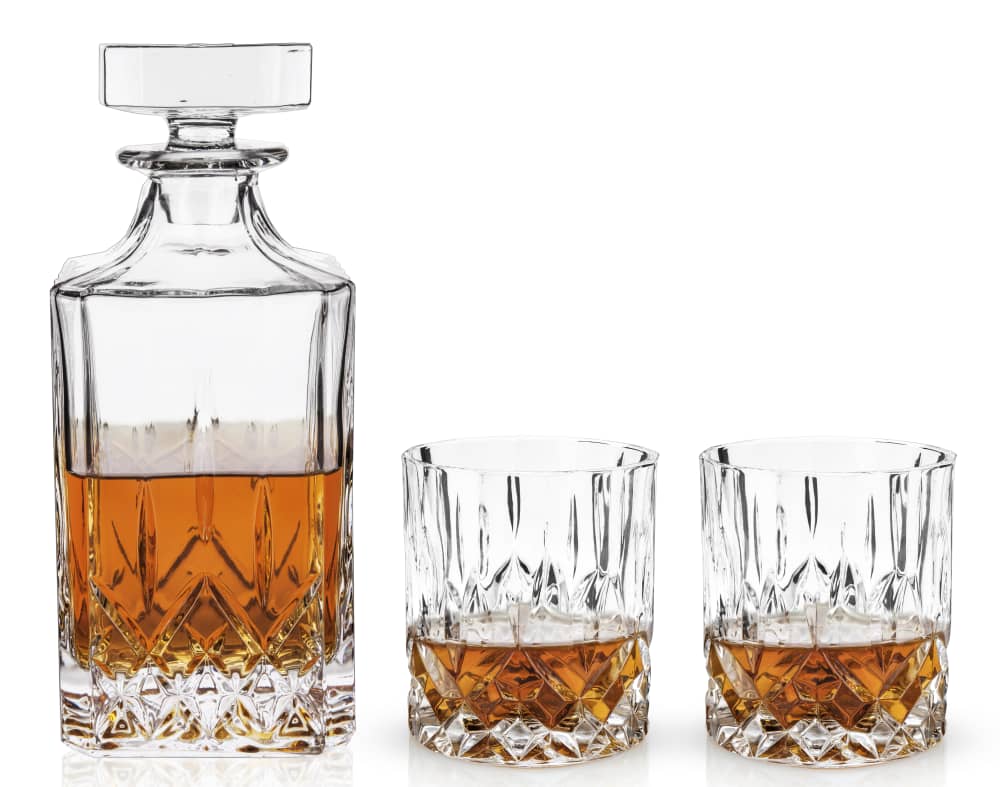
Using an elegant vessel significantly enhances the overall experience of enjoying a fine vintage. The aesthetic appeal of a carefully selected container adds a layer of sophistication that complements the tasting process.
Enhancing the Experience
When I pour a deep crimson liquid into a beautifully shaped vessel, it immediately captures attention. The way light refracts through the liquid reveals its color intensity and clarity, sparking curiosity about the flavors within. Here are some specific aspects to consider:
- Shape and Design: Curved edges and a wide base allow for a stunning visual display, while also facilitating aeration. This combination enhances both form and function.
- Color Contrast: Using a clear vessel showcases the rich hues of the beverage, making it easier to appreciate subtle variations in color that indicate age and quality.
- Table Setting: A well-presented table elevates the dining experience. Choosing stylish containers can complement the overall theme and ambiance of the occasion.
Psychological Impact
The visual appeal can influence perception. Observing the swirling liquid can enhance anticipation and excitement. Studies suggest that presentation affects taste perception, making a visually stunning pour more enjoyable. Engaging with the presentation allows for a deeper connection to the tasting process, enriching appreciation for the craftsmanship behind the bottle.
In conclusion, investing in an aesthetically pleasing vessel transforms more than just the visual experience; it enhances the entire tasting journey, inviting exploration and enjoyment with every sip.
Choosing the Right Decanter for Different Wine Varietals
Selecting an appropriate vessel for various grape types enhances the tasting experience. For full-bodied reds, opt for a decanter with a wide base to maximize oxygen exposure. This design promotes aeration, allowing rich flavors to develop more fully.
Specific Recommendations
For Cabernet Sauvignon, a broad-bottomed design is ideal, facilitating rapid aeration. In contrast, a slimmer profile suits lighter varietals like Pinot Noir, which benefits from gentle exposure without overwhelming its delicate notes.
Material and Shape Considerations
Crystal decanters often add sophistication while providing clarity for visual appreciation. Ensure the shape aligns with the wine’s characteristics; a high neck may preserve aromas for aromatic profiles like Syrah, while a more open design can enhance the bouquet for fruity varietals.
| Wine Variety | Recommended Decanter Type | Key Features |
|---|---|---|
| Cabernet Sauvignon | Wide-base | Maximizes aeration |
| Pinot Noir | Slender | Gentle aeration |
| Syrah | High-neck | Preserves aromas |
| Merlot | Curved | Enhances bouquet |
Ultimately, the right choice enhances enjoyment and appreciation of each varietal’s unique profile.