Chuck Furuya
For enhancing the flavors of beef dishes, I recommend using a Cabernet Sauvignon. Its bold structure and rich tannins complement the robust nature of meat, making it an ideal choice for marinades and sauces. The wine’s dark fruit notes and hints of spice contribute depth to savory recipes.
Alternatively, a Merlot can be a fantastic option as well. Its softer tannins and fruity profile allow for a smoother integration with the dish, especially in slow-cooked meals. This varietal adds a subtle sweetness that can balance the savory elements beautifully.
If you prefer a wine with a bit more acidity, a Zinfandel is worth considering. Its peppery notes and bright fruitiness can elevate the overall taste, particularly in barbecued or grilled preparations. This choice enhances the caramelization and char, creating a delightful contrast on the palate.
Choosing the Right Wine for Beef Dishes
Cabernet Sauvignon stands out as an excellent choice for enhancing the flavor of beef. Its bold profile complements the richness of the meat, making it ideal for braising or marinating. The tannins in this varietal help tenderize the protein, resulting in a succulent dish.
Alternative Options
- Merlot offers a softer, fruitier flavor that pairs well with roasted cuts.
- Syrah provides a peppery note that works nicely with grilled preparations.
- Zinfandel’s jammy characteristics can add a unique twist to stews.
Cooking Tips
- Use the same varietal in the dish that you plan to serve alongside it.
- Allow the wine to reduce in the cooking process to concentrate its flavors.
- Consider adding herbs like rosemary or thyme to enhance the overall profile.
These selections not only elevate the dish but also contribute to a harmonious dining experience.
Choosing the Right Red Wine for Different Cuts of Beef
For tender cuts like filet mignon, I prefer a light-bodied option such as Pinot Noir. Its subtlety complements the meat’s delicate flavors without overpowering them.
Rich Cuts and Full-Bodied Choices
In the case of richer cuts, such as ribeye or T-bone, I opt for a full-bodied Cabernet Sauvignon. The bold tannins and dark fruit notes enhance the natural richness of the meat, creating a harmonious dish.
Slow-Cooked or Braised Selections
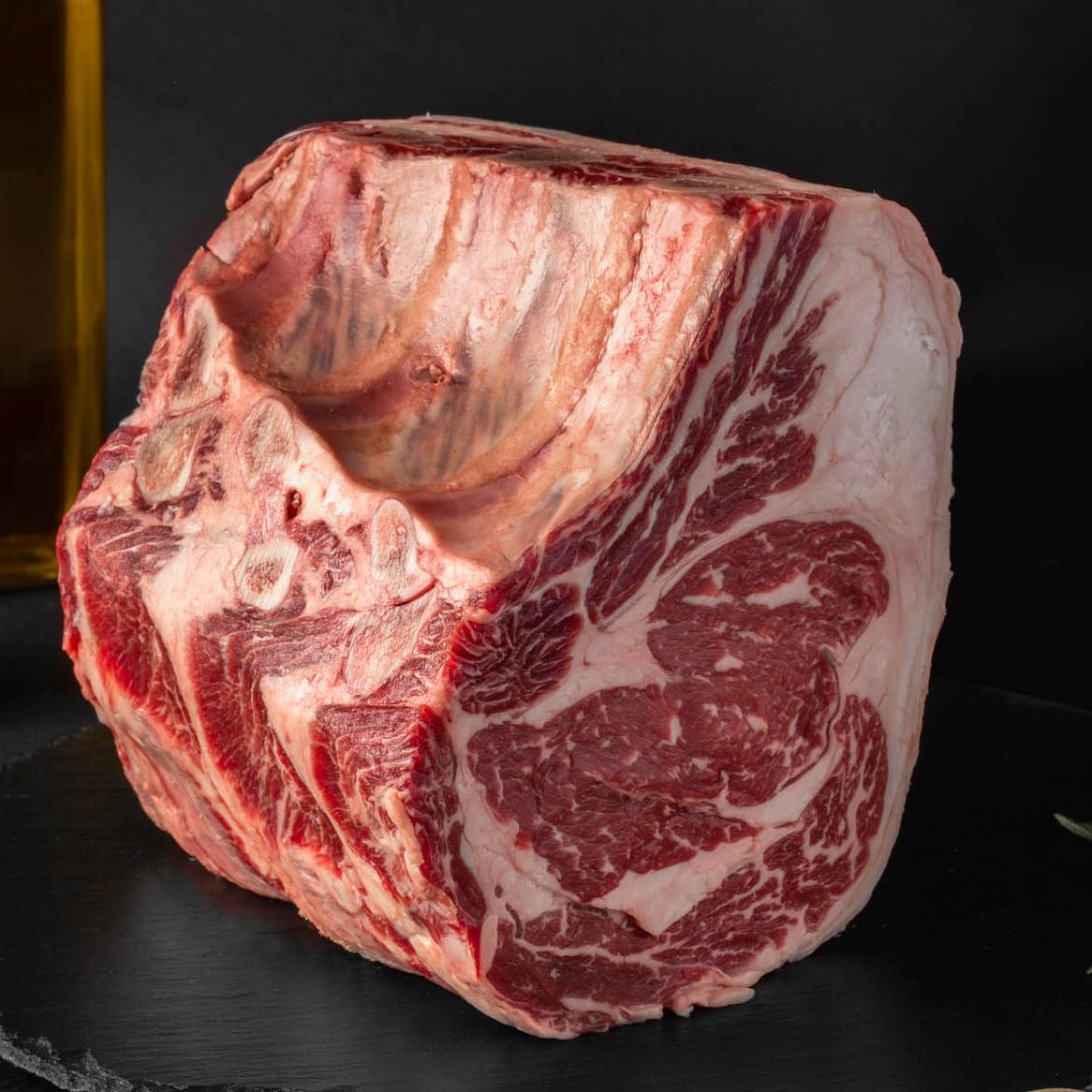
For cuts that require slow cooking, like chuck roast or brisket, a robust Malbec works wonders. Its deep flavors and balanced acidity help to tenderize the meat while infusing it with a rich taste profile.
Flavor Profiles: How Wine Enhances Beef Dishes
Choosing a full-bodied Merlot or a robust Cabernet Sauvignon can significantly amplify the flavors in meat preparations. These selections carry rich fruit notes, complemented by earthy undertones, which create a harmonious blend with savory beef dishes. The tannins present in these varietals interact with the protein in the meat, tenderizing it and enhancing its texture.
Complementary Flavors
A Syrah or Shiraz introduces spicy and smoky nuances, perfect for grilled or barbecued cuts. This variety’s peppery character balances well with the charred exterior of the beef, elevating the overall taste experience. On the other hand, a Pinot Noir, with its lighter body and acidity, complements leaner cuts like tenderloin, allowing the natural flavors of the meat to shine through while adding a hint of berry sweetness.
Cooking Method Considerations
When braising or stewing, a Malbec offers depth with its dark fruit flavors and velvety mouthfeel, enriching slow-cooked dishes. In contrast, using a Zinfandel can provide a fruity zest, ideal for a quick sauté or stir-fry, where the wine serves to deglaze the pan and infuse the dish with its vibrant character. Experimenting with these different options can reveal unexpected and delightful flavor combinations that enhance any beef preparation.
Temperature and Cooking Method: Wine Pairing Tips
For braising, a full-bodied option with rich tannins, such as a Cabernet Sauvignon, complements the deep flavors of the meat. Aim for a simmering temperature around 300°F (150°C) to enhance the infusion of flavors. When searing, a robust Merlot works well due to its smoothness, ideal for high-heat applications over 400°F (200°C).
Cooking Techniques and Recommended Varietals
| Cooking Method | Recommended Choice | Temperature |
|---|---|---|
| Braising | Cabernet Sauvignon | 300°F (150°C) |
| Searing | Merlot | 400°F (200°C) |
| Slow Cooking | Shiraz | 250°F (120°C) |
| Grilling | Zinfandel | 450°F (230°C) |
For slow cooking, a Shiraz enhances the dish’s depth at lower temperatures, around 250°F (120°C). Grilling is best paired with a Zinfandel, which can withstand high heat at 450°F (230°C), bringing out the smoky flavors. Understanding these specifics allows for better integration of the beverage with your culinary techniques.