Chuck Furuya
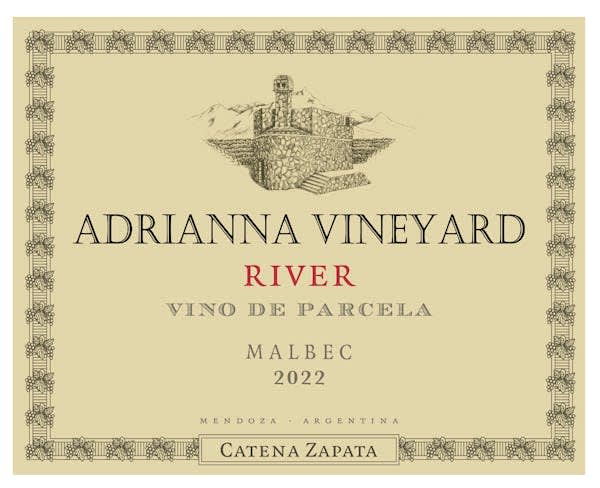
For rich and flavorful dishes featuring tender meat, I highly recommend Malbec. This varietal brings forth a deep, fruity profile with notes of blackberry and plum, perfectly complementing the savory characteristics of lamb.
Another excellent choice is a robust Syrah, known for its peppery undertones and dark fruit flavors. This wine’s structure enhances the complexity of the meat, making each bite more satisfying.
If you prefer something more elegant, consider a full-bodied Cabernet Sauvignon. Its tannins and notes of blackcurrant and cedar create a harmonious balance, elevating the overall experience of your meal.
Each of these options not only enhances the dish but also contributes to the cooking process, infusing the meat with rich flavors that resonate through every bite.
Choosing the Right Wine Varietal for Lamb Dishes
Opt for a Syrah or Shiraz to enhance rich flavors in your preparation. These varietals possess bold characteristics, offering dark fruit notes that complement the meat’s intensity.
Alternative Choices
- Zinfandel: A fruity option that brings spice and depth.
- Malbec: Known for its plum and blackberry flavors, it pairs well with grilled or roasted preparations.
- Tempranillo: Offers earthy undertones, making it suitable for stews or braised dishes.
Factors to Consider
- Cooking Method: Grilling calls for a fruit-forward varietal, while braising benefits from something with more structure.
- Acidity: A balanced acidity helps cut through the richness of the meat.
- Tannin Levels: Higher tannins work best for robust cuts, while softer tannins suit leaner options.
Experimenting with these varietals can elevate your dish, creating a harmonious balance between the meat and your choice of beverage.
Understanding the Flavor Profiles of Popular Varietals
When selecting a choice for enhancing dishes featuring tender meat, consider these varietals for their distinct flavor characteristics:
Cabernet Sauvignon
This full-bodied option is characterized by dark fruit notes like blackberry and blackcurrant, complemented by hints of oak, vanilla, and spice. Its robust tannins add depth, making it suitable for rich preparations.
Merlot
A softer alternative, Merlot offers flavors of plum, cherry, and chocolate. Its smoother mouthfeel and lower tannin levels provide versatility, pairing well with various seasonings and sauces.
Syrah/Shiraz
Known for its bold profile, Syrah presents flavors of dark berries, pepper, and sometimes smoky undertones. This varietal can bring a delightful complexity to savory dishes.
Malbec
With notes of ripe fruit, cocoa, and leather, Malbec contributes a rich, velvety texture. Its moderate acidity balances well with hearty flavors, enhancing the overall dish.
Zinfandel
Zinfandel showcases jammy fruit flavors and spicy undertones, making it ideal for dishes with sweet or spicy elements. Its medium to full body adds a delightful twist to savory recipes.
Tempranillo
This Spanish varietal features cherry and plum flavors, often with earthy and herbal notes. Its balanced acidity and tannins make it suitable for a range of culinary applications.
Incorporating these varietals not only elevates the dish but also complements the inherent flavors of the ingredients. Experimenting with different profiles can lead to delightful discoveries in the kitchen.
How to Pair Wine with Different Lamb Cuts
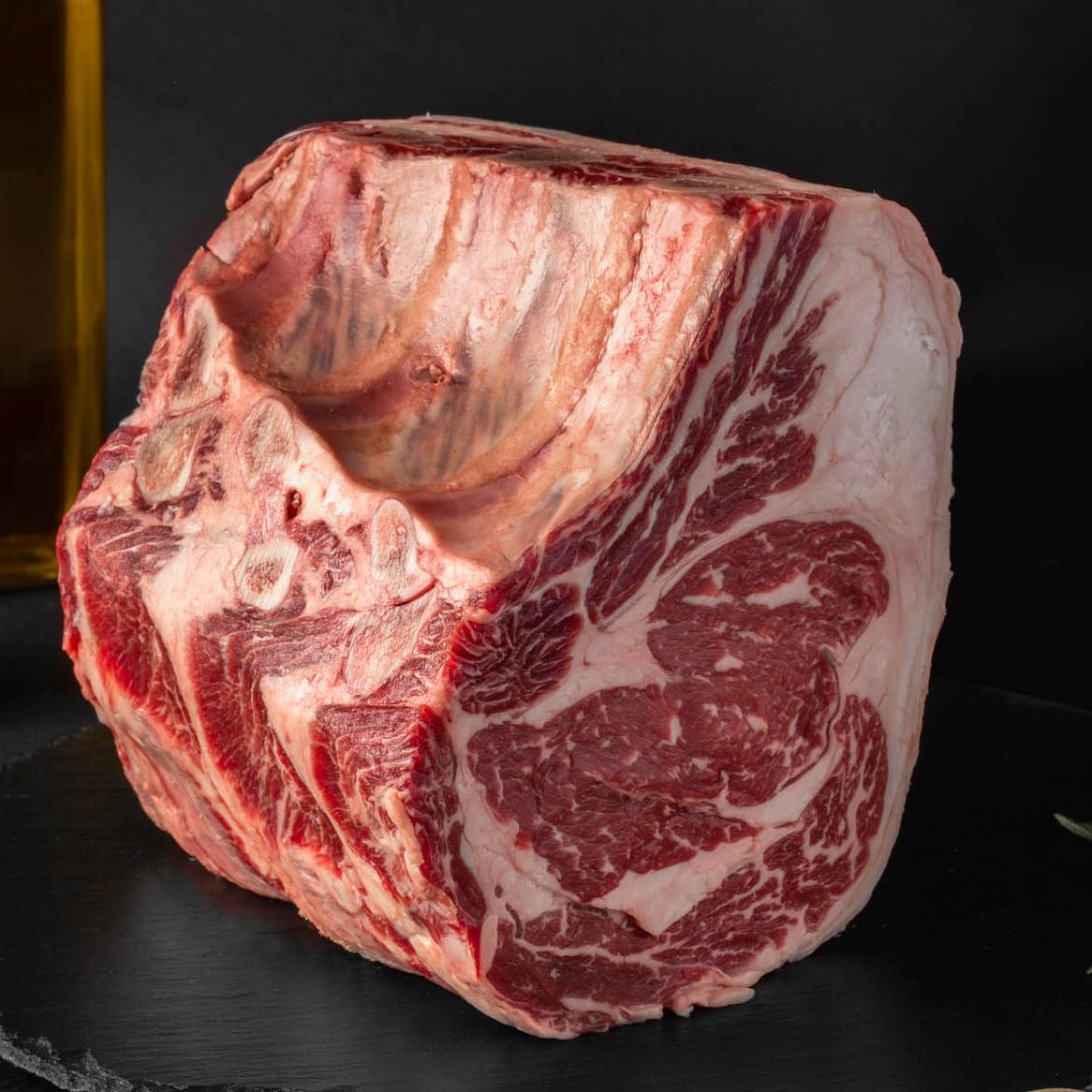
For shoulder cuts, I prefer a Syrah or Shiraz. Its bold flavors complement the rich, fatty characteristics of the meat, enhancing the overall dish. Opt for a medium to full-bodied option to match the intensity.
Leg Cuts
When it comes to leg portions, a Cabernet Sauvignon stands out. This varietal’s tannins harmonize beautifully with the gamey taste of leg cuts, while its dark fruit notes elevate the savory profile. Aged versions can add depth to the experience.
Loin and Rack
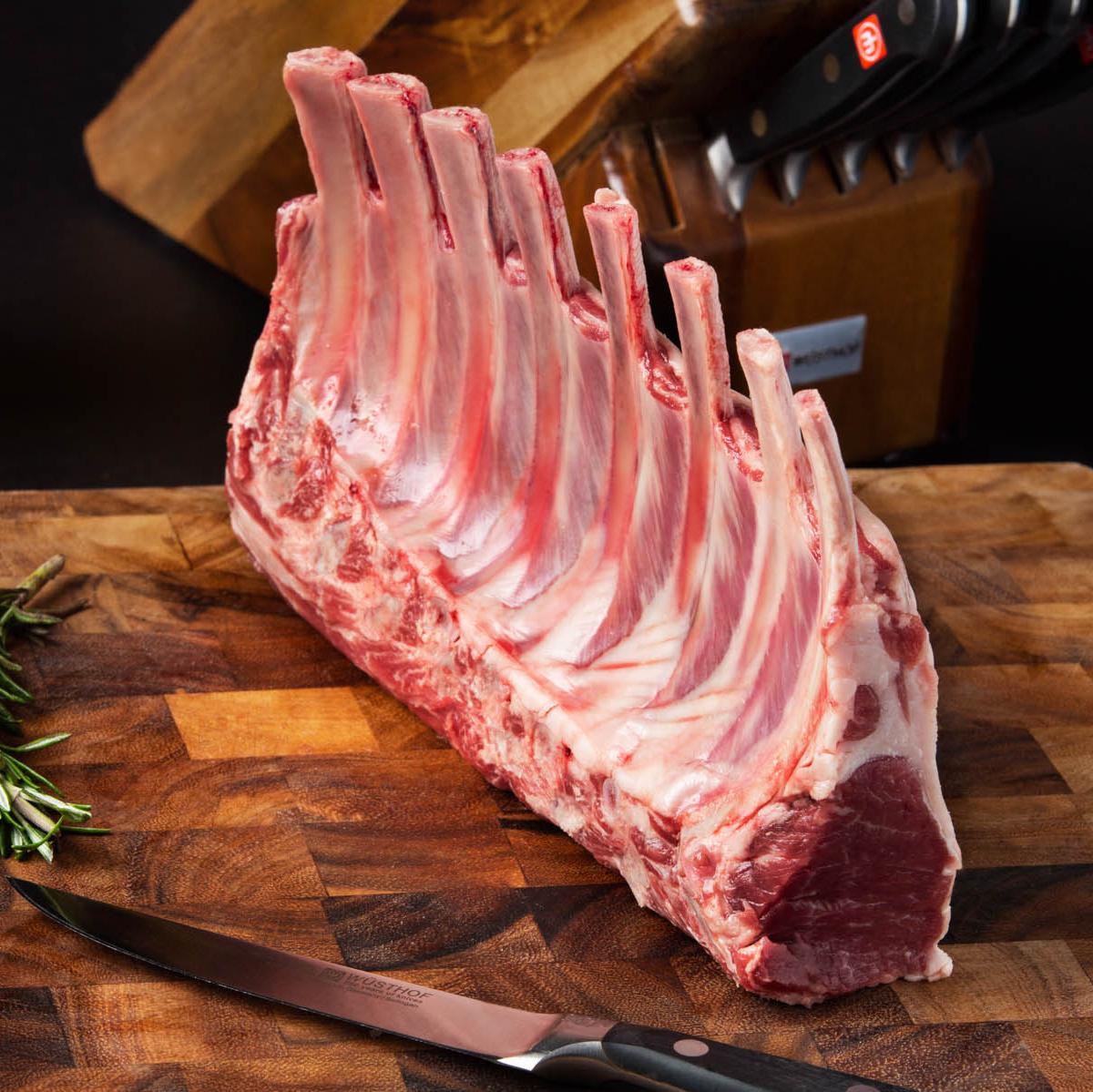
Loin and rack pieces call for a Pinot Noir. This choice brings a lighter touch, balancing the tenderness and subtle flavors. A good bottle with earthy undertones can enhance the dish without overpowering it.
For any preparation method, consider the sauce or seasoning. A rosemary-infused dish might benefit from a Grenache, while a mint-based sauce pairs wonderfully with a Merlot. Adjusting the wine selection based on the accompanying flavors will enhance the dining experience significantly.
Cooking Techniques That Enhance Wine Flavors in Lamb
Marinating is an excellent method to infuse flavor. Combine ingredients like garlic, rosemary, and a chosen varietal to enhance the meat’s natural richness. Allow the lamb to soak up the marinade for several hours or overnight for deeper flavor integration.
Slow roasting is ideal for achieving tenderness while allowing the juices to meld with the chosen varietal. Start at a higher temperature to develop a crust, then lower it to finish cooking. This technique helps concentrate flavors, enriching the overall profile.
Braising is another effective approach. Sear the meat first to create a flavorful crust, then simmer it in a mixture of broth and the selected varietal. This method maximizes moisture retention and allows the flavors to blend beautifully over time.
Using a reduction can elevate the dish significantly. After cooking, reduce the leftover cooking liquid by simmering it until thickened. This concentrates flavors and provides a rich sauce that complements the lamb.
When preparing stews or casseroles, adding the varietal early in the cooking process allows the flavors to integrate fully. The long cooking time helps the alcohol evaporate while the essence of the drink enhances the dish.
| Technique | Description | Flavor Enhancement |
|---|---|---|
| Marinating | Soaking meat in a mixture of herbs, spices, and chosen varietal. | Deepens flavor integration. |
| Slow Roasting | Cooking at high heat initially, then lowering temperature. | Concentrates flavors, ensures tenderness. |
| Braising | Searing followed by simmering in broth and varietal. | Melds flavors, retains moisture. |
| Reduction | Simmering cooking liquid until thickened. | Concentrates flavors for a rich sauce. |
| Stewing | Adding varietal early in the cooking process. | Enhances overall flavor profile. |
Recommended Wine Brands for Cooking with Lamb
For enhancing flavors in dishes featuring lamb, I suggest considering brands that offer rich and robust selections. Look for Chateau Montelena Cabernet Sauvignon, known for its depth and complexity, which pairs beautifully with slow-cooked preparations. Another excellent option is Bodega Norton Malbec, celebrated for its fruit-forward profile, making it ideal for marinades and braises.
Noteworthy Selections
Also, consider Peter Lehmann Shiraz, which brings a peppery spice that complements grilled cuts exceptionally well. If you prefer a more budget-friendly choice, 19 Crimes Red Blend provides a smooth, approachable flavor, perfect for everyday cooking. Lastly, try Concha y Toro Casillero del Diablo Cabernet Sauvignon for a versatile option that works well across various cooking methods.
Tips for Storing Leftover Wine for Future Cooking
To keep remaining liquid in optimal condition, always recork the bottle tightly after use. If possible, use a vacuum pump to remove excess air, which helps preserve flavors.
Store the bottle upright in a cool, dark place, ideally between 45°F and 65°F. Avoid direct sunlight and temperature fluctuations, as these can spoil the integrity of the liquid.
If you notice that you have leftover portions frequently, consider transferring the liquid into smaller bottles. This reduces air exposure, maintaining quality.
Utilizing wine stoppers or specialized wine preservation systems can also extend the shelf life by minimizing oxidation. These tools can be particularly beneficial for those who regularly incorporate liquid into their culinary creations.
For longer storage, consider freezing. Pour leftover portions into ice cube trays, freeze them, and transfer the cubes into a freezer-safe bag. This method allows easy access to small amounts for future recipes.
Keep in mind that while flavor may change slightly over time, the liquid can still enhance savory dishes. Always taste before using to ensure it meets your standards.