Chuck Furuya


Begin with a robust blend of shallots and garlic, finely chopped, and sauté them in a pan with a splash of oil until fragrant and translucent. This aromatic base will elevate the flavor profile of your sauce.
Add in a generous pour of a full-bodied varietal, allowing it to simmer and reduce by half. This process concentrates the flavors, infusing the mixture with a rich depth that complements any grilled meat. Stir occasionally to prevent sticking and ensure even cooking.
As the liquid thickens, incorporate a few sprigs of fresh thyme and a bay leaf for added complexity. Strain the mixture through a fine sieve to achieve a silky texture, discarding the solids. Finish with a knob of cold butter, swirling it in until melted, which will give the sauce a luxurious sheen.
Taste and adjust seasoning with salt and freshly cracked pepper. The final result should be a glossy, flavorful accompaniment that enhances the natural richness of your protein.
Selecting the Right Red Wine for Jus
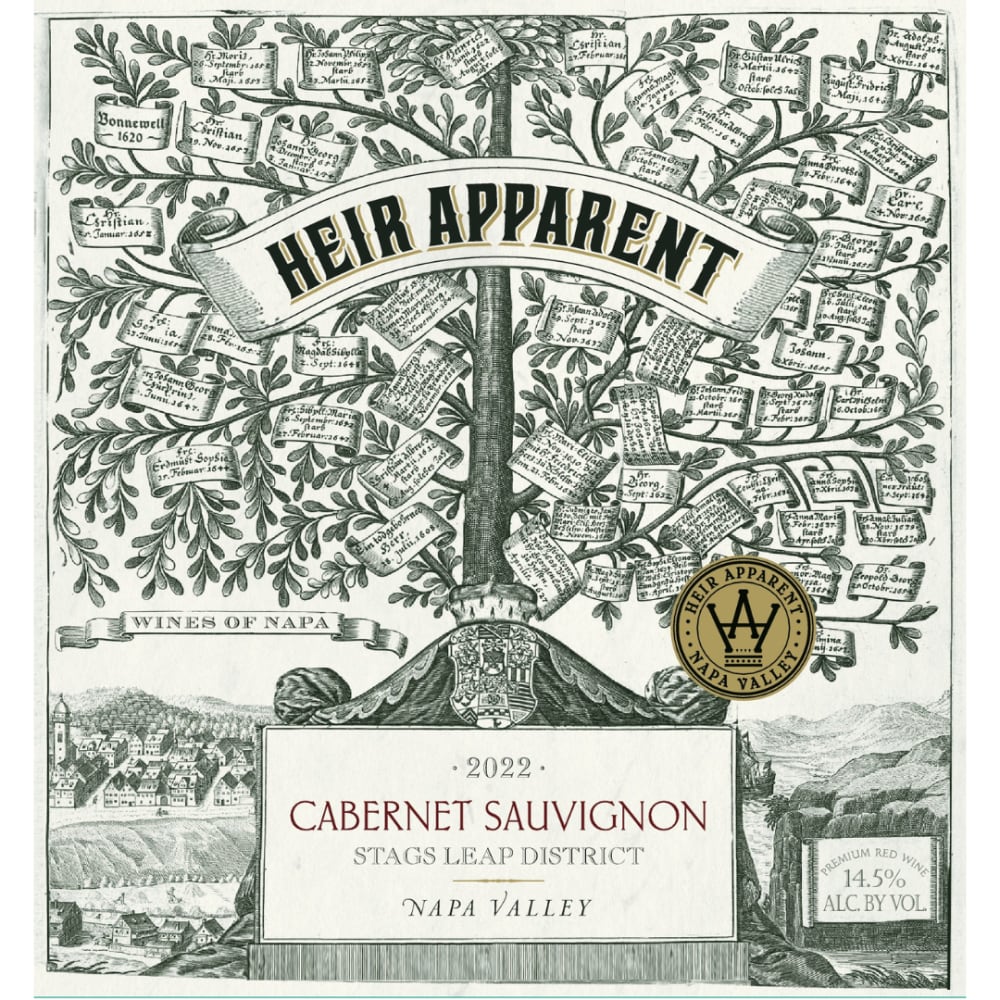
Opt for a full-bodied variety that complements the richness of the meat. Cabernet Sauvignon, Merlot, and Syrah are excellent choices. Their robust flavors enhance the depth of the sauce.
- Cabernet Sauvignon: Known for its bold tannins and dark fruit flavors, it adds structure and complexity.
- Merlot: This offers a softer profile with plum and berry notes, creating a balanced sauce.
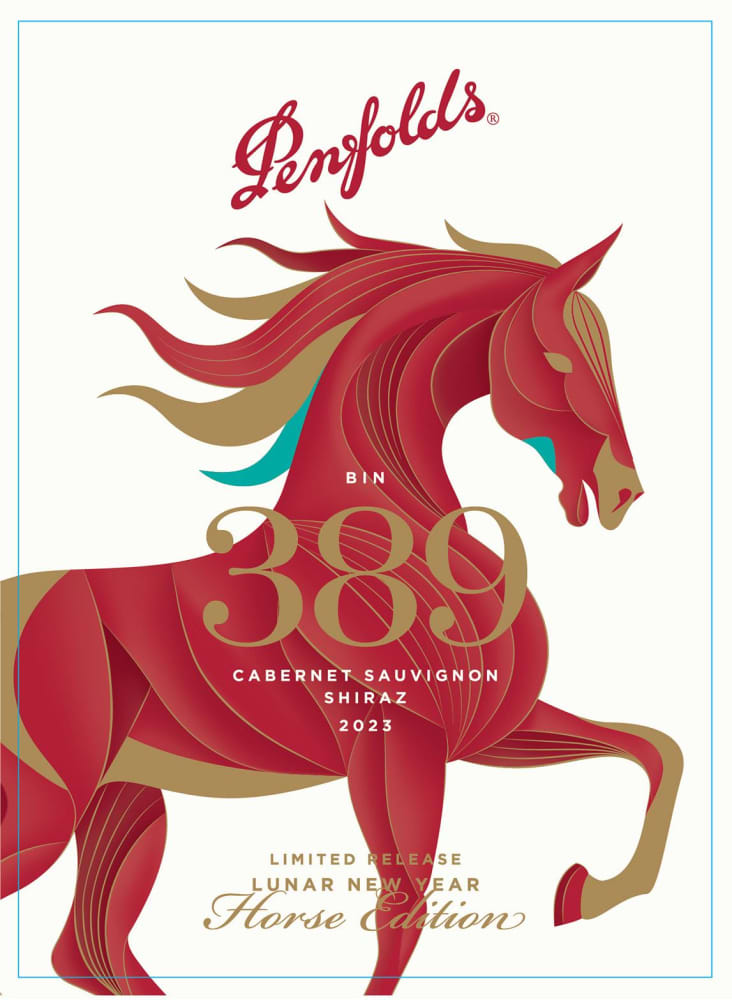
- Syrah/Shiraz: Its peppery and smoky characteristics can introduce a unique twist to the flavor profile.
Avoid overly sweet or light varieties, as they may dilute the sauce’s intensity. Stick to wines with good acidity to enhance the overall taste.
- Choose wines from regions known for quality, such as Napa Valley, Bordeaux, or Barossa Valley.
- Opt for bottles labeled “reserve” or “grand cru” for a more concentrated flavor.
- Consider the age of the wine; a few years in the bottle allows for a more developed flavor.
Ultimately, select a bottle that you enjoy drinking, as its essence will shine through in the preparation. Always taste the wine before adding it to the sauce to ensure it meets your flavor expectations.
Ingredients Needed for a Basic Red Wine Reduction
To create a flavorful reduction, gather the following components:
| Ingredient | Quantity |
|---|---|
| High-quality red grape beverage | 1 cup |
| Beef stock or broth | 1 cup |
| Shallots, finely chopped | 2 tablespoons |
| Unsalted butter | 2 tablespoons |
| Fresh thyme | 1 teaspoon (or 2 sprigs) |
| Salt | To taste |
| Freshly ground black pepper | To taste |
With these items, I can create a rich sauce that enhances the dish beautifully. Adjust quantities based on personal taste or serving size.
Step-by-Step Cooking Process for Red Wine Sauce
Begin with a saucepan over medium heat. Add a tablespoon of olive oil or butter to the pan, allowing it to melt and coat the bottom evenly.
Introduce finely chopped shallots or onions into the hot fat. Sauté until they turn translucent, approximately 2-3 minutes. This builds a flavorful base.
Pour in the chosen bottle of robust beverage, about a cup, and stir gently. Allow the mixture to simmer, reducing the liquid by half. This concentrates the flavors and enhances the sauce’s richness.
Incorporate a sprig of fresh thyme or a bay leaf for added aroma. Continue simmering for another 5-10 minutes, ensuring the herbs infuse their essence into the concoction.
Once the liquid has reduced, remove the herbs. If desired, strain the sauce through a fine mesh sieve to achieve a smooth texture.
Whisk in a tablespoon of cold butter off the heat. This adds a luxurious finish and glossy appearance to the sauce.
Season with salt and pepper according to preference. Taste and adjust as needed to achieve a balanced flavor profile.
Finishing Touches
Serve immediately over the cooked meat or keep warm until ready to use, ensuring it doesn’t boil again. A delicate drizzle enhances presentation and complements the dish beautifully.
Store any leftovers in an airtight container in the refrigerator for up to three days. Reheat gently before serving to maintain the texture.
Tips for Achieving the Perfect Consistency
To attain a smooth and velvety texture, maintaining the right temperature during cooking is key. A gentle simmer rather than a vigorous boil allows for gradual thickening without becoming overly concentrated.
Reduction Techniques
Frequent stirring while reducing prevents sticking and ensures even evaporation. Aim for a reduction of about one-third to one-half of the original volume for optimal thickness.
Thickening Agents
Incorporate a small amount of cornstarch mixed with cold water if additional thickness is necessary. This slurry should be added towards the end, allowing it to cook for a minute to eliminate any raw taste. Alternatively, a pat of cold butter whisked in at the finish adds richness and a glossy finish.
Using a fine mesh strainer to remove solids post-reduction results in a refined sauce that enhances appeal. Always taste before serving, adjusting seasoning or acidity with a splash of vinegar or citrus for balance.