Chuck Furuya

For an authentic experience, I recommend opting for a full-bodied Syrah or a rich, earthy Cahors. These choices complement the savory flavors and robust ingredients of the dish, enhancing the overall dining experience.
The bold tannins and dark fruit notes of Syrah bring out the depth of the cassoulet, while Cahors, with its plum and spice characteristics, mirrors the stew’s complexity. Both options will elevate your meal, ensuring each bite resonates with the wine’s character.
If you’re looking for something a bit different, consider a Grenache blend. Its ripe berry flavors and subtle acidity balance the richness of the dish, creating a harmonious pairing worth exploring.
Pairing Recommendations
A robust blend like a southern French Syrah or a rich, earthy Cahors complements the hearty nature of this dish perfectly.
Here are some specific options:
- Syrah/Shiraz: Opt for a bottle from the Rhône Valley; its peppery notes enhance the savory elements.
- Cahors: This blend of Malbec offers deep fruit flavors and a touch of tannin, harmonizing well with the dish’s richness.
- Grenache: A fruity variant from the Languedoc region can balance the dish’s complex flavors.
- Merlot: A soft, velvety choice that won’t overpower the meal, especially if it has a bit of oak aging.
Consider the preparation method as well; a smoky variant can add depth, while a fresher option brightens the experience. Choosing a bottle with good acidity will cut through the dish’s richness, enhancing the overall dining experience.
Understanding Cassoulet Ingredients
Choosing the right components for this dish is crucial. The base typically consists of white beans, often Tarbais, known for their creamy texture. Meat selections are essential; I prefer a combination of duck, pork (especially shoulder), and sausages, which contribute to the depth of flavor.
Beans
The beans should be soaked overnight to ensure even cooking. I find that Tarbais beans absorb flavors beautifully, making them a perfect choice. If unavailable, cannellini or navy beans can serve as substitutes, but they may alter the final taste slightly.
Meats
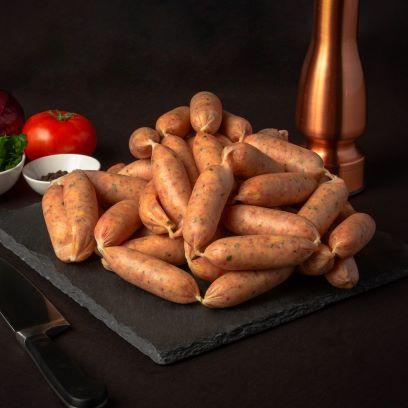
Utilizing a variety of meats adds complexity. Duck confit is a traditional staple, offering richness, while smoky sausages, such as Toulouse or even chorizo, provide a spice element. I often include a smoked ham hock for added depth and a hint of smokiness. For a vegetarian version, hearty vegetables like mushrooms and root vegetables can replace meat while still delivering a satisfying dish.
Herbs and seasonings, especially thyme, bay leaves, and garlic, are essential in enhancing the dish’s overall aroma and flavor profile. I like to use fresh herbs whenever possible for a more pronounced taste.
Key Flavor Profiles in Red Wine
Choosing the right bottle involves understanding specific flavor characteristics. Aged varieties often reveal deep notes of dark fruits like plum and blackberry, balanced with hints of leather and tobacco. These complexities complement the rich, meaty elements of a hearty dish.
Fruit Characteristics
Fruity profiles can vary significantly. For instance, wines from warmer climates tend to express ripe, jammy flavors, while cooler regions yield fresher, tart fruit notes. Selecting a wine with a pronounced fruitiness can enhance the meal’s savory components, creating a harmonious experience.
Tannin Structure
Tannins play a crucial role in the drinking experience. A well-structured wine with firm tannins provides a counterbalance to the dish’s richness. Opt for those with a smooth finish, as they round out the palate without overwhelming the flavors. This balance adds depth and complexity to each sip.
Best Red Wine Varietals for Cassoulet
I recommend a few varietals that pair exceptionally well with this hearty dish. First, consider Merlot. Its soft tannins and fruity notes complement the richness of the beans and meats, enhancing the overall experience.
Grenache is another excellent choice. This varietal boasts a medium body and bright acidity, which cuts through the fat and adds a layer of complexity to each bite.
For those who enjoy a bolder flavor, Syrah/Shiraz delivers depth and spiciness, making it a perfect match for the smoky elements often found in the dish.
If you prefer something a bit more rustic, Cabernet Sauvignon can work well. Its firm structure and dark fruit flavors provide a robust contrast to the savory components.
Tempranillo, with its earthy undertones and acidity, also harmonizes beautifully, enhancing the dish’s character without overpowering it.
Lastly, consider Malbec for its bold, fruity profile and velvety texture, which align seamlessly with the hearty ingredients.