Chuck Furuya

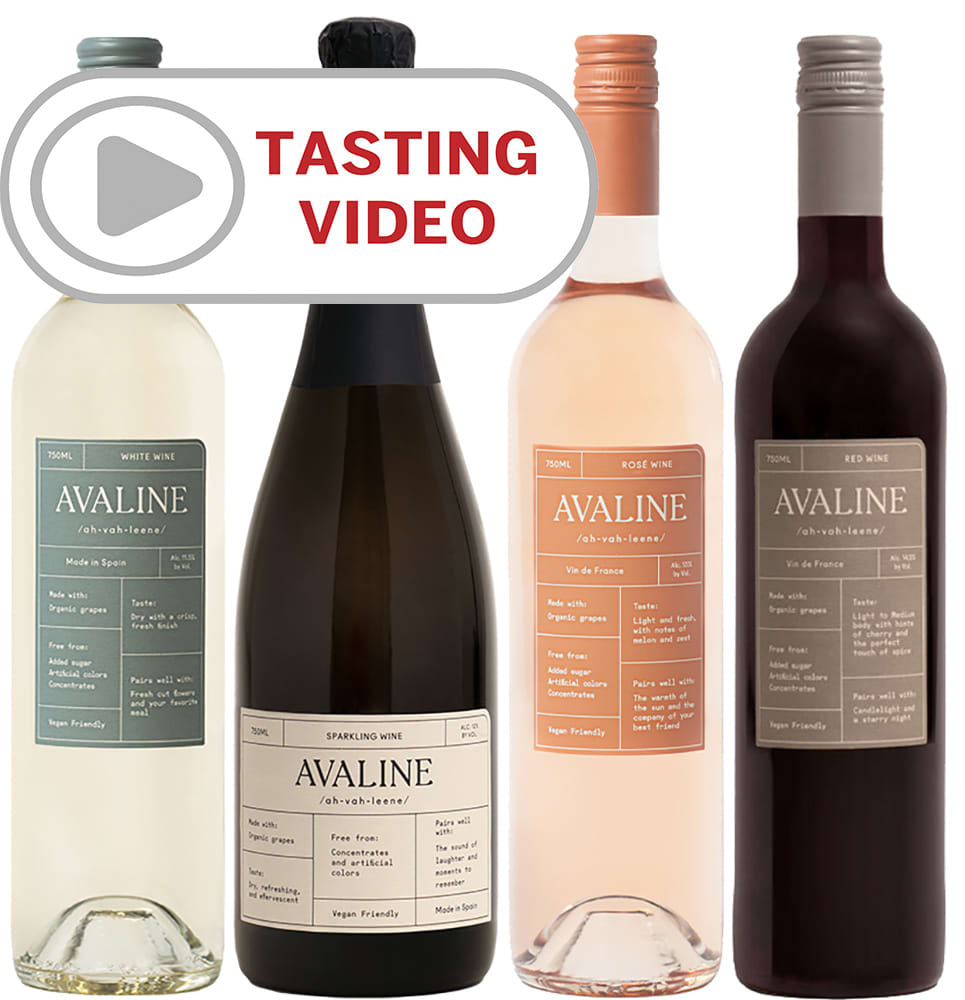
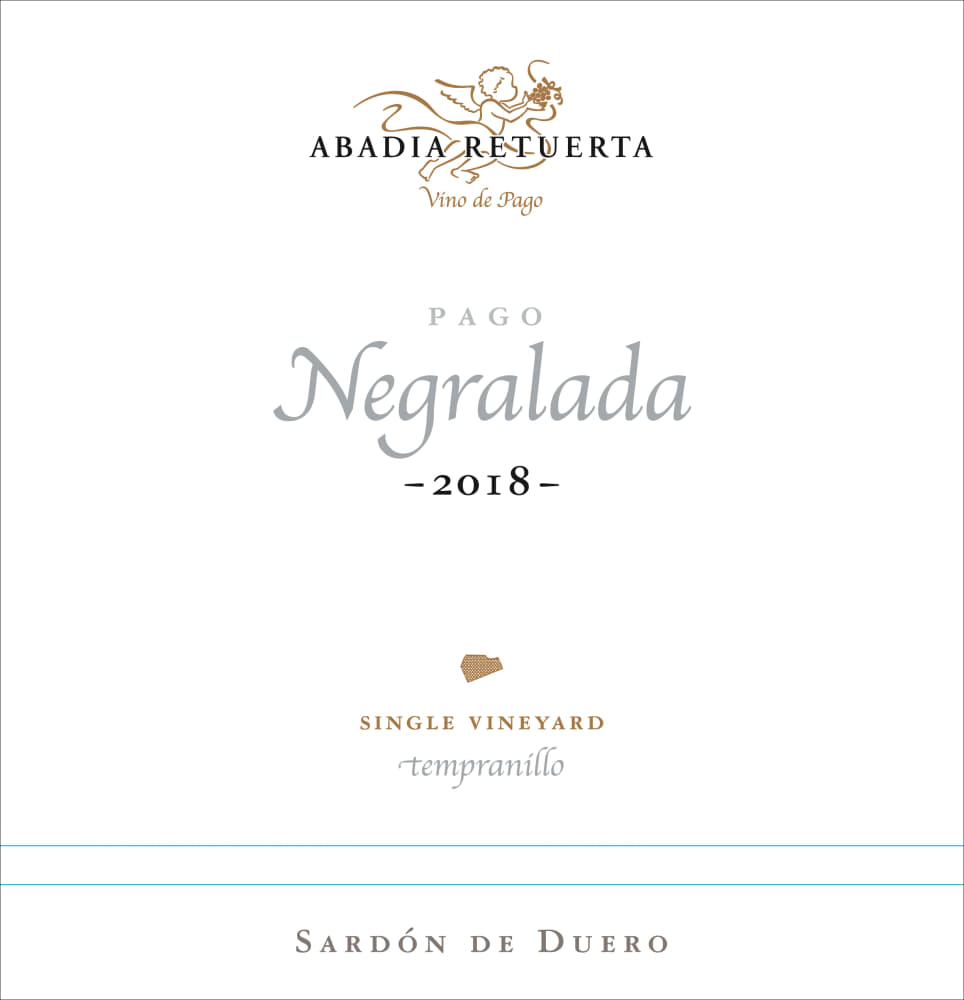
To elevate your culinary experience, I suggest opting for a medium-bodied Tempranillo. This Spanish varietal brings a balance of fruitiness and subtle spice that harmonizes beautifully with the saffron and seafood elements typical in traditional dishes.
If you prefer a richer flavor profile, consider a Garnacha. Its berry notes and soft tannins complement the dish’s complexity, enhancing the overall taste without overwhelming it. The wine’s acidity also cuts through the richness of the ingredients, creating a delightful contrast.
For those who enjoy a more adventurous pairing, a lively Pinot Noir can also serve as an excellent choice. Its bright acidity and red fruit flavors align well with the diverse ingredients found in various versions of this rice dish, making it a versatile option for different palates.
Pairing Suggestions for Paella
For a delightful experience, I recommend a Tempranillo from Rioja. This wine’s structure and moderate acidity harmonize perfectly with the rich flavors of the dish, enhancing both the seafood and meat components.
Alternative Choices
If you prefer something a bit bolder, consider a Garnacha. Its fruity notes and subtle spiciness complement the saffron and spices typically found in the dish, creating an enjoyable contrast.
Exploring Other Regions
A Monastrell from the Alicante region also makes for a great match. Its earthy undertones and robust character can stand up to the intensity of the flavors, providing a satisfying pairing.
Understanding the Flavor Profile of Paella
To enhance the experience of this iconic dish, I focus on its key components. The base of saffron-infused rice provides a rich, aromatic foundation. The combination of seafood, chicken, and sometimes rabbit brings diverse flavors, ranging from briny and sweet to savory and earthy.
Key Ingredients and Their Flavors
- Saffron: Adds a floral note and a golden hue.
- Seafood: Offers a briny freshness, especially from mussels and shrimp.
- Meats: Chicken contributes a savory depth, while rabbit adds a gamey richness.
- Vegetables: Peas and bell peppers provide sweetness and a hint of crunch.
Balancing Flavors
In crafting the perfect pairing, I consider how each ingredient interacts with the others. The sweetness of the seafood balances well with the savory elements. Therefore, a wine that complements this harmony is ideal. Look for options that mirror the dish’s complexity rather than overwhelm it.
By recognizing these flavor dynamics, I can select a beverage that not only complements but also elevates the entire dining experience.
Choosing the Right Type of Red Wine for Seafood Paella
For pairing with seafood paella, I recommend opting for a light-bodied option that won’t overpower the delicate flavors of the dish. A Pinot Noir or a Garnacha can complement the seafood beautifully, providing a refreshing acidity that balances the richness of the saffron and seafood.
Pinot Noir
This varietal offers a bright fruit profile, often featuring notes of cherry and raspberry. Its subtle earthy undertones harmonize well with the savory elements in paella, enhancing the overall experience without clashing with the seafood.
Garnacha
Known for its juicy berry flavors and soft tannins, Garnacha is another excellent choice. Its slightly spicy character can elevate the dish, especially if the paella includes chorizo or other spicy components. The wine’s medium acidity will refresh the palate, making every bite enjoyable.
Ultimately, the aim is to find a harmonious balance that enhances both the dish and the chosen beverage, creating a delightful dining experience.
Meat-Infused Dish Pairings
For meat-infused variations, I recommend a Tempranillo. This Spanish varietal complements the rich flavors of chorizo and chicken beautifully, enhancing the savory notes. Choose one with medium tannins to balance the dish’s spices without overwhelming them.
Other Suitable Options
Consider a Garnacha as well. Its fruit-forward profile and subtle spice make it a delightful match for dishes featuring lamb or beef. The wine’s acidity cuts through the richness, creating a harmonious experience.
Temperature and Serving Tips
Serve these selections slightly below room temperature, around 60-65°F, to fully appreciate their aromas and flavors. Decanting for about 30 minutes can also enhance the tasting experience, allowing the complexities to unfold.
Regional Spanish Red Wines That Complement Paella
For pairing with this iconic dish, I often turn to regional selections that highlight Spain’s diverse terroirs. A few standout varieties truly enhance the experience, each bringing unique characteristics that harmonize beautifully with the flavors of the rice and ingredients.
Tempranillo from Rioja
The bold Tempranillo from the Rioja region is a classic choice. Its rich fruit notes, balanced acidity, and subtle tannins work well with both seafood and meat variations of this dish. I appreciate the way its earthy undertones echo the saffron and spices typically used.
Garnacha from Priorat
When I want something a bit more robust, Garnacha from Priorat is my go-to. This wine has a concentrated fruit profile, often with hints of dark berries and a touch of minerality. It complements the smokiness of grilled meats and the depth of flavors in traditional recipes.
| Wine Type | Region | Tasting Notes |
|---|---|---|
| Tempranillo | Rioja | Rich fruit, earthy undertones, balanced acidity |
| Garnacha | Priorat | Concentrated fruit, dark berries, minerality |
| Mencía | Ribeira Sacra | Floral notes, red fruits, subtle spices |
| Monastrell | Jumilla | Bold flavors, dark fruits, herbal hints |
I find that these selections not only enhance the flavor profile of the dish but also celebrate the regional diversity of Spanish viticulture. Each sip adds another layer of enjoyment to this culinary experience.
Serving Temperature and Aeration for Red Wine with Paella
For optimal enjoyment, I recommend serving your chosen beverage at a temperature between 60°F to 65°F (15°C to 18°C). This range allows the flavors to bloom and minimizes any harsh tannins, enhancing the overall experience alongside the dish.
Aeration Techniques
Aerating the drink is beneficial, especially if it’s a young bottle. I suggest decanting it for at least 30 minutes before serving. This process helps to soften the tannins and elevate the aromatic qualities. If decanting isn’t an option, swirling the liquid in the glass can also help to release its bouquet.
<h3.Paired Flavors
As you sip, the interplay between the beverage and the dish becomes important. A well-tempered and aerated drink will harmonize beautifully with the saffron, seafood, or meat flavors, creating a delightful culinary experience. I find that paying attention to these details can truly elevate your meal.