Chuck Furuya
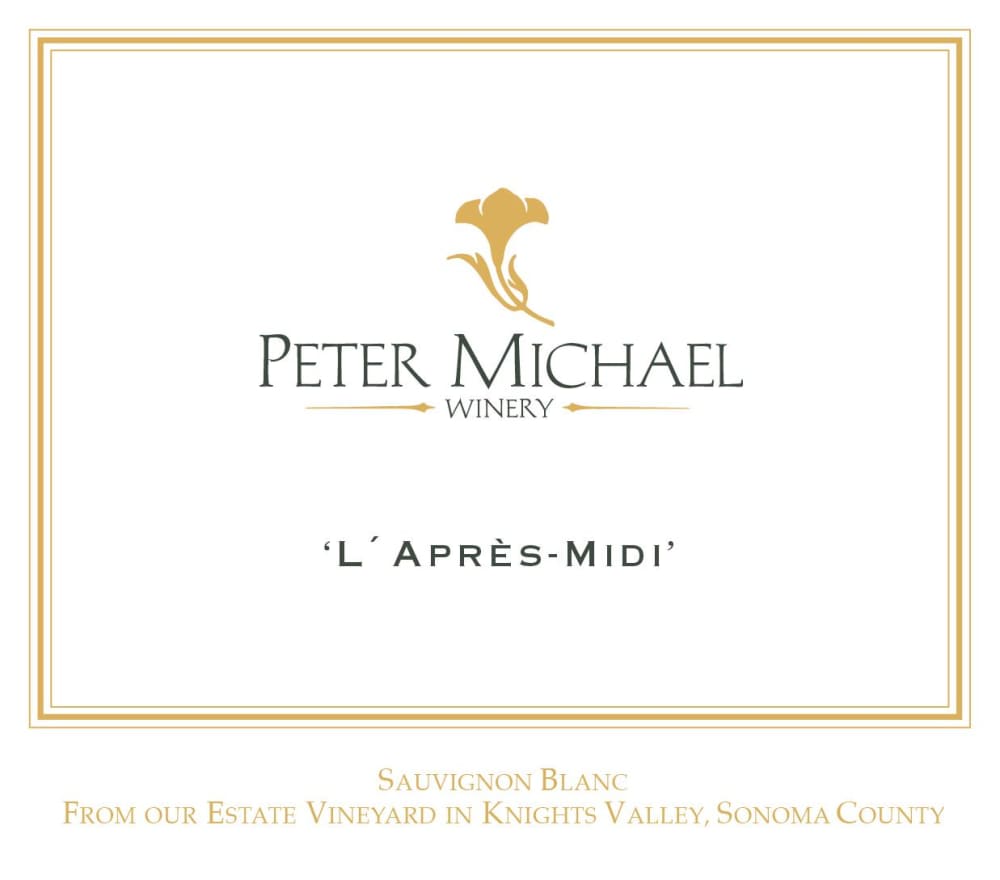
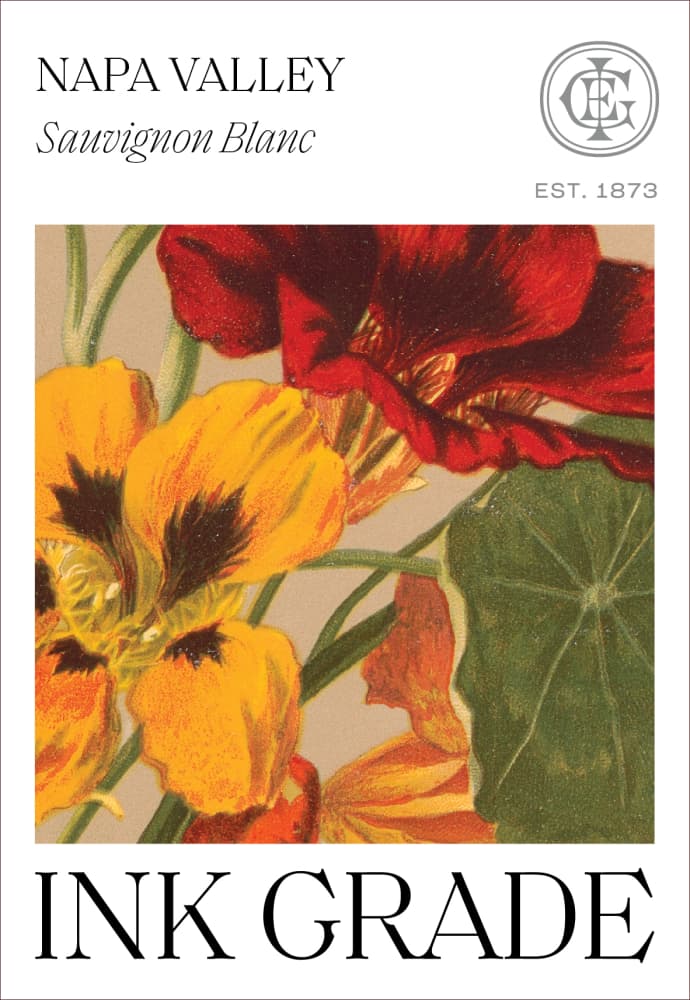

I often find myself reaching for Sauvignon Blanc, a crisp and refreshing choice that never disappoints. This varietal is renowned for its vibrant acidity and pronounced citrus notes, making it a perfect companion for seafood and light salads. The flavor profile typically includes hints of lime, green apple, and passion fruit, which can elevate any dining experience.
When selecting a bottle, I recommend exploring options from regions like Marlborough in New Zealand, known for its intense fruit character, or Sancerre in France, which offers a more mineral-driven expression. To truly appreciate the nuances, serve it chilled and allow it to breathe slightly, revealing its intricate layers.

If you’re in the mood for something a bit richer, consider trying a barrel-aged version, which introduces creamier textures and complex oak flavors. Pairing this style with grilled chicken or creamy pasta can create a delightful gastronomic adventure.
Top White Wine Varietals for Different Occasions
For casual gatherings, I recommend a light-bodied Sauvignon Blanc. Its refreshing acidity and herbal notes pair perfectly with salads and seafood. Brands from New Zealand often offer an exceptional balance of fruitiness and zesty character.
Formal Dinners
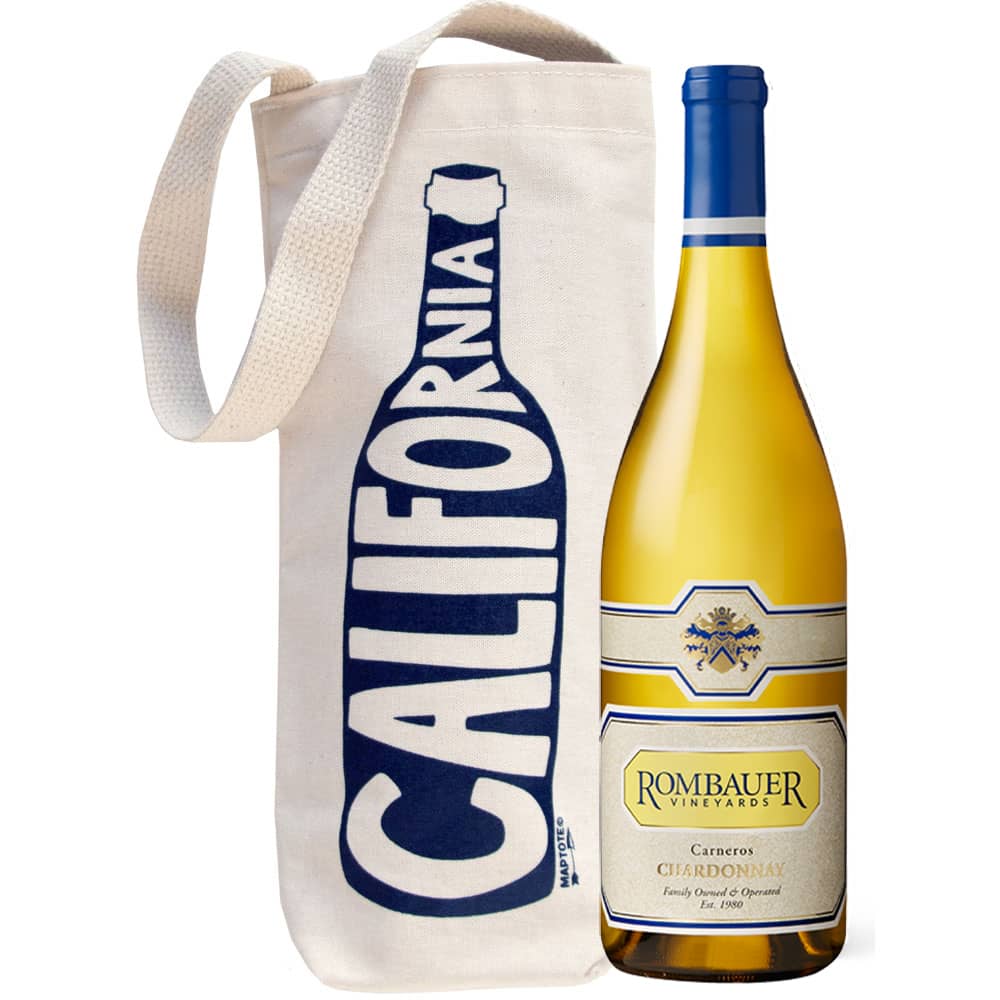
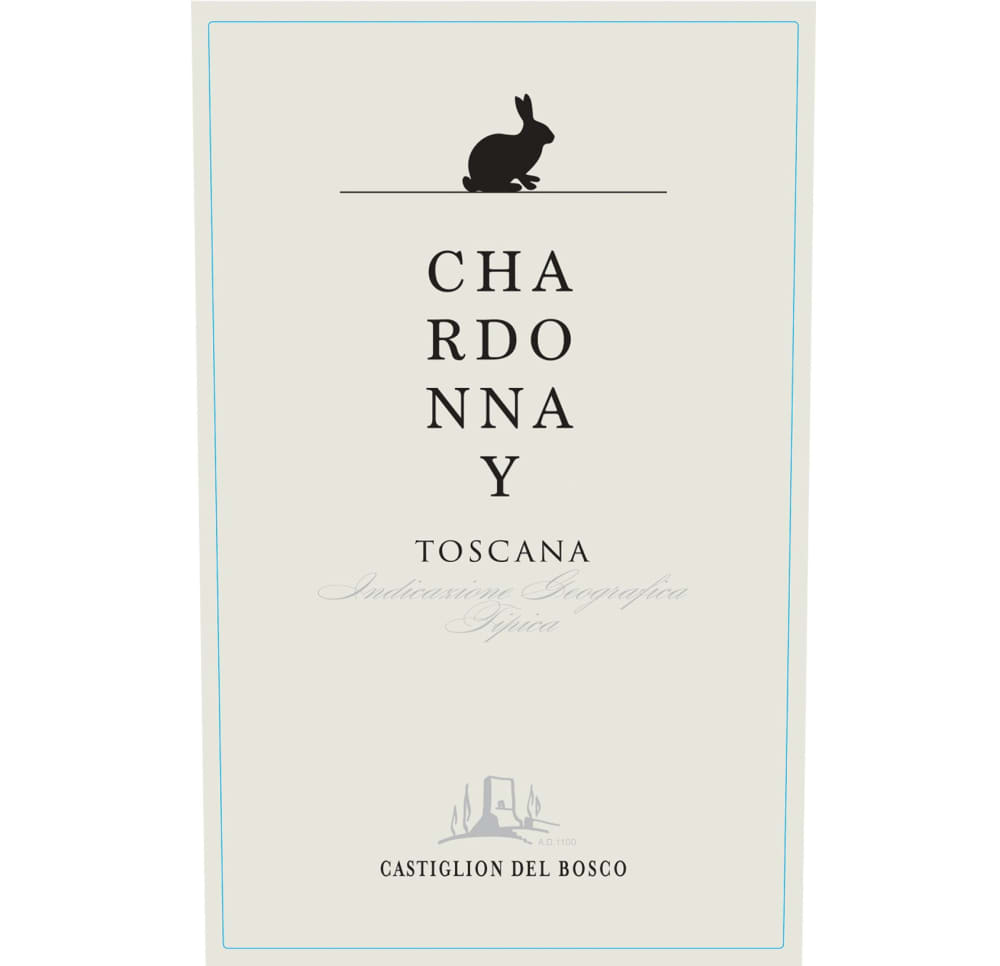
During elegant meals, a full-bodied Chardonnay stands out. Opt for an oak-aged version for a creamy texture and flavors of vanilla and butter. This varietal complements rich dishes like lobster or creamy pasta.
Outdoor Events
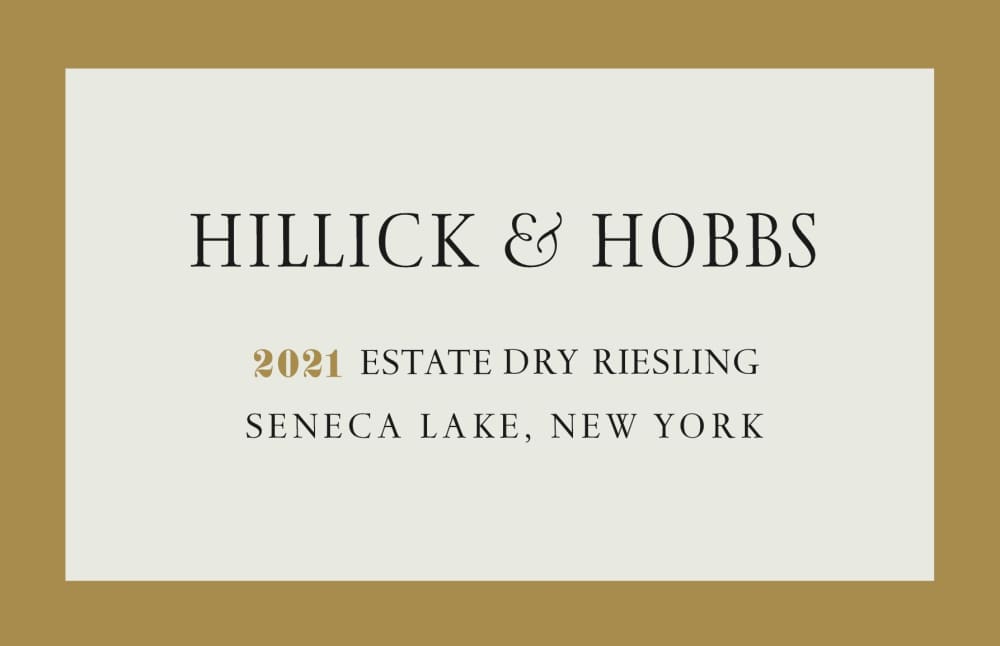
For picnics or barbecues, a dry Riesling is an excellent choice. Its crispness and hints of stone fruits make it versatile with grilled meats and spicy dishes. Look for selections from Germany or the Alsace region for optimal quality.
For dessert, a late harvest Vouvray offers a delightful sweetness that pairs beautifully with fruit tarts or cheeses. This option elevates any special occasion with its luscious flavors and aromatic profile.
How to Pair White Wine with Food
For seafood dishes, particularly shellfish like oysters or shrimp, a crisp Sauvignon Blanc complements the briny flavors beautifully. The acidity cuts through richness, enhancing the overall experience.
With creamy pasta sauces, I prefer a rich Chardonnay. Its buttery notes create a harmonious balance, making each bite more enjoyable.
When serving salads, especially those with citrus dressings, a light Pinot Grigio works wonders. The refreshing qualities of this varietal elevate the dish without overpowering it.
For spicy Asian cuisine, I find that an off-dry Riesling pairs well. Its sweetness contrasts with heat, providing a delightful counterbalance that enhances the flavors.
Grilled vegetables and herbaceous dishes shine with a Sauvignon Blanc or a Vermentino. These wines echo the freshness of the ingredients, creating a seamless pairing.
When it comes to cheese, a creamy Brie goes well with Chardonnay, while a tangy goat cheese is best paired with a Sauvignon Blanc. The wine’s acidity complements the richness of the cheese.
For dessert, a late-harvest Riesling or Moscato can elevate fruit-based sweets. Their natural sweetness aligns perfectly with the dessert’s flavors, resulting in a delightful finish to any meal.
Factors Influencing Quality of White Wine
Soil composition significantly affects grape characteristics. Clay, limestone, and sandy soils contribute unique flavors and textures. For instance, grapes grown in limestone-rich soil often yield wines with high acidity and minerality.
Climate and Weather Conditions
Climate plays a critical role in grape ripening. A warmer climate typically produces fruit-forward profiles, while cooler regions enhance acidity and complexity. Consistent weather patterns during the growing season can lead to more uniform grape quality.
Viticultural Practices
- Pruning techniques influence grape yield and quality. Selective pruning allows for better sunlight exposure and airflow, reducing disease risk.
- Irrigation practices affect concentration. Limited water supply can enhance flavor concentration, while excess water may dilute it.
- Pest management strategies impact overall health of vines. Organic practices often yield more authentic flavors compared to conventional methods.
Harvest timing is crucial. Grapes picked at optimal ripeness ensure balance between sugar and acidity, leading to a well-rounded beverage. Late harvesting can intensify sweetness but may compromise acidity.
Winemaking techniques also shape final product. Fermentation temperature, choice of yeast, and aging methods all contribute distinctive characteristics. For instance, barrel aging imparts complexity and texture, while stainless steel fermentation preserves freshness.
Regular tasting and monitoring throughout the process ensures quality control, allowing winemakers to adjust methods based on evolving flavors.
Understanding the Terroir of White Wines
Terroir significantly influences the character of various grape varieties. Knowing the specific conditions where grapes are cultivated can enhance appreciation of different styles. Here are key factors to consider:
Geographical Influence
- Climate: Regions with warm days and cool nights, like Napa Valley, often yield grapes with higher acidity and ripe fruit flavors.
- Soil Composition: Sandy or clay-rich soils can impart mineral notes. For example, soils with limestone can enhance the crispness in a Chardonnay.
- Topography: Hillsides provide better drainage and sun exposure, affecting ripeness and flavor concentration.
Microclimates
Microclimates can create unique growing conditions even within a small area. For instance, a vineyard located near a body of water may experience moderated temperatures, allowing for a longer growing season. This can enhance complexity in the final product.
Additionally, variations in elevation can lead to different flavor profiles. Grapes grown at higher altitudes, like those in Argentina, often exhibit brighter acidity and more pronounced fruit characteristics.
By understanding these elements, one can better appreciate how location shapes flavor and aroma in a glass. This knowledge can guide choices when selecting bottles for specific occasions or pairings.
Best Regions for Producing White Wine
For exceptional results in producing pale beverages, consider exploring regions renowned for their unique climates and soil compositions. Bordeaux, particularly the Entre-Deux-Mers area, is celebrated for its Sauvignon Blanc and Sémillon, producing crisp and aromatic profiles perfect for seafood pairings.
Burgundy, especially the Côte de Beaune, stands out for producing Chardonnay, known for its complexity and rich texture. The limestone and clay soils contribute to the elegance of these selections, making them ideal for both aging and immediate enjoyment.
California’s Napa Valley offers diverse microclimates, allowing for the cultivation of various varietals. Chardonnay and Sauvignon Blanc from this region exhibit ripe fruit flavors balanced with acidity, making them crowd-pleasers at gatherings.
New Zealand, particularly Marlborough, is synonymous with vibrant Sauvignon Blanc, characterized by intense citrus and tropical fruit notes. This region’s cool climate ensures a refreshing acidity that enhances the overall drinking experience.
Germany’s Mosel region is famous for its Riesling, which varies from dry to sweet. The steep slate vineyards capture sunlight efficiently, resulting in wines with remarkable minerality and floral aromas, perfect for pairing with spicy dishes.
Austria has gained recognition for Grüner Veltliner, showcasing peppery notes and refreshing acidity. Regions like Wachau and Kamptal produce styles that range from light and zesty to full-bodied and complex.
Exploring these areas will lead to discovering a plethora of distinct flavors and styles, enhancing any occasion or culinary pairing. Each region’s unique climate and soil create a signature profile that defines the character of its offerings.
FAQ:
What are the characteristics of the best white wines?
The best white wines typically exhibit a balance of acidity, sweetness, and flavor complexity. They may have fruity notes like citrus, green apple, or tropical fruits, accompanied by floral or herbal undertones. The texture can range from crisp and refreshing to rich and creamy, depending on factors such as the grape variety and winemaking techniques. A good white wine should also have a pleasant finish that lingers on the palate.
Which grape varieties produce the highest quality white wines?
Some of the most respected grape varieties for high-quality white wines include Chardonnay, Sauvignon Blanc, and Riesling. Chardonnay can produce a wide range of styles, from crisp and mineral to rich and oaky. Sauvignon Blanc is known for its vibrant acidity and aromatic profile, often showcasing grassy and citrus characteristics. Riesling is celebrated for its aromatic complexity, versatility, and ability to express terroir, making it suitable for both dry and sweet wine styles.
How does the region affect the quality of white wine?
The region where the grapes are grown significantly impacts the quality and characteristics of white wine. Factors such as climate, soil type, and vineyard elevation play a crucial role. For example, cooler climates are often ideal for producing high-acid wines, while warmer regions may yield more ripe and fruit-forward styles. Terroir, which encompasses these environmental factors, influences the unique flavors and aromas found in wines from different regions, making each wine distinct.
What food pairings work best with white wine?
White wine can be paired with a variety of foods, enhancing the dining experience. Light, crisp whites like Sauvignon Blanc complement seafood, salads, and light pasta dishes well. Richer whites, such as Chardonnay, can stand up to creamy sauces and roasted chicken. Additionally, off-dry Rieslings pair nicely with spicy Asian cuisine due to their sweetness balancing the heat. It’s essential to consider the wine’s acidity and flavor profile when selecting food pairings to achieve harmony on the palate.
Are there specific serving temperatures for white wine?
Yes, serving temperature can greatly influence the enjoyment of white wine. Generally, lighter, crisper whites such as Pinot Grigio and Sauvignon Blanc are best served chilled, around 45-50°F (7-10°C). Fuller-bodied whites like Chardonnay can be served slightly warmer, around 50-55°F (10-13°C). Serving wine at the appropriate temperature allows its aromas and flavors to be fully expressed, enhancing the overall tasting experience.
What are the main types of white wine?
There are several popular types of white wine, each with its unique flavor profile and characteristics. The most common types include Chardonnay, Sauvignon Blanc, Riesling, Pinot Grigio, and Moscato. Chardonnay is often rich and full-bodied, while Sauvignon Blanc tends to be crisp and refreshing. Riesling is known for its sweetness, and Pinot Grigio is typically light and zesty. Moscato is also sweet and often has a fruity flavor, making it a favorite for those who enjoy dessert wines.
How do I choose the best white wine for a meal?
Choosing the right white wine for a meal involves considering the flavors of the food you are serving. As a general rule, lighter wines pair well with lighter dishes. For example, Sauvignon Blanc complements seafood and salads, while Chardonnay goes well with richer dishes like creamy pasta or roasted chicken. If you’re serving spicy food, a Riesling can balance out the heat. It’s also important to consider personal preferences, as some people may prefer sweeter wines while others enjoy drier varieties.
Are there specific regions known for producing high-quality white wines?
Yes, certain regions are renowned for their exceptional white wines. For instance, the Burgundy region in France is famous for its Chardonnay, while the Loire Valley is known for its Sauvignon Blanc and Chenin Blanc. In Germany, the Mosel region produces excellent Riesling, and Italy’s Veneto region is recognized for Pinot Grigio. In the United States, California, particularly Napa Valley, is well-regarded for its diverse range of high-quality white wines.
What factors influence the taste of white wine?
The taste of white wine is influenced by a variety of factors including the grape variety, the climate in which the grapes are grown, and the winemaking process. Different grape varieties have distinct flavors and aromas. For example, Chardonnay can have flavors ranging from apple to tropical fruits, depending on where it’s grown. Climate plays a role in ripening the grapes, affecting their sweetness and acidity. Additionally, winemaking techniques such as fermentation and aging in oak barrels can impart unique flavors and textures to the wine.
Can you recommend some affordable white wines that are highly rated?
There are many affordable white wines that receive high ratings from wine enthusiasts and critics. Some popular options include Kim Crawford Sauvignon Blanc from New Zealand, which is known for its bright acidity and citrus flavors. Another great choice is the La Crema Chardonnay from California, offering a balance of fruit and oak. For those who prefer sweeter wines, the Chateau Ste. Michelle Riesling is a well-regarded option that is both accessible in price and flavor. Exploring local wine shops or online retailers can help you find similar value-driven wines in your area.