Chuck Furuya
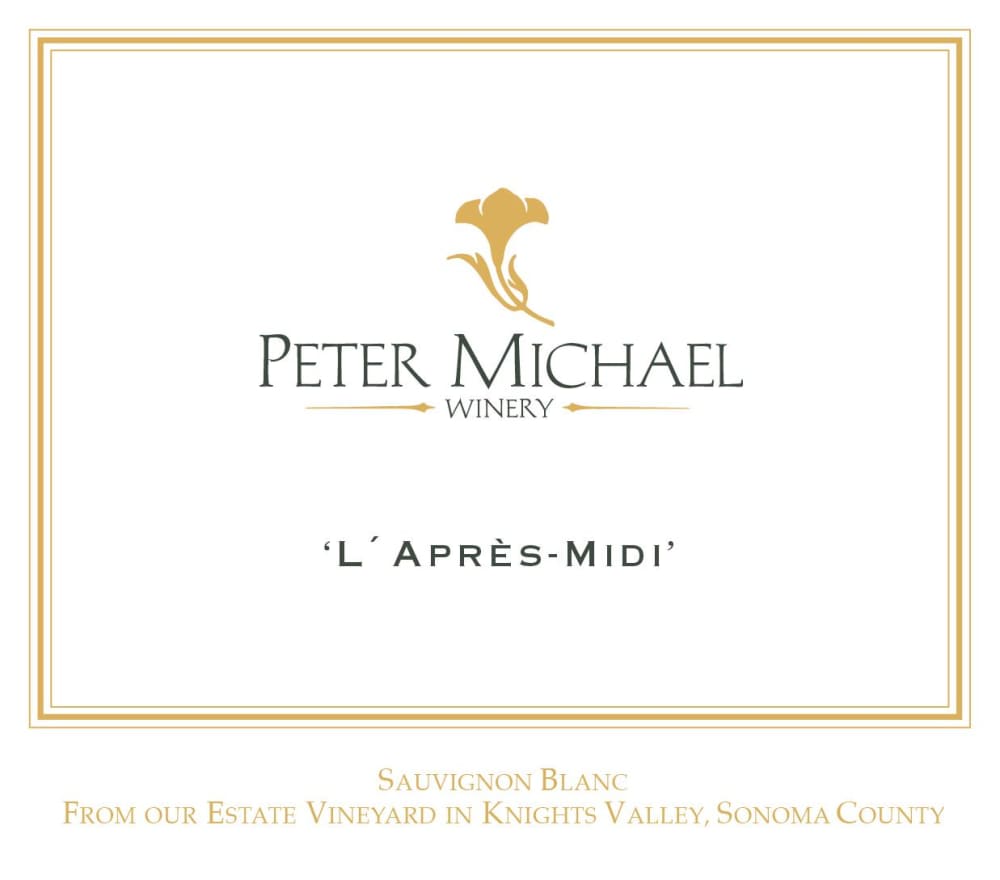
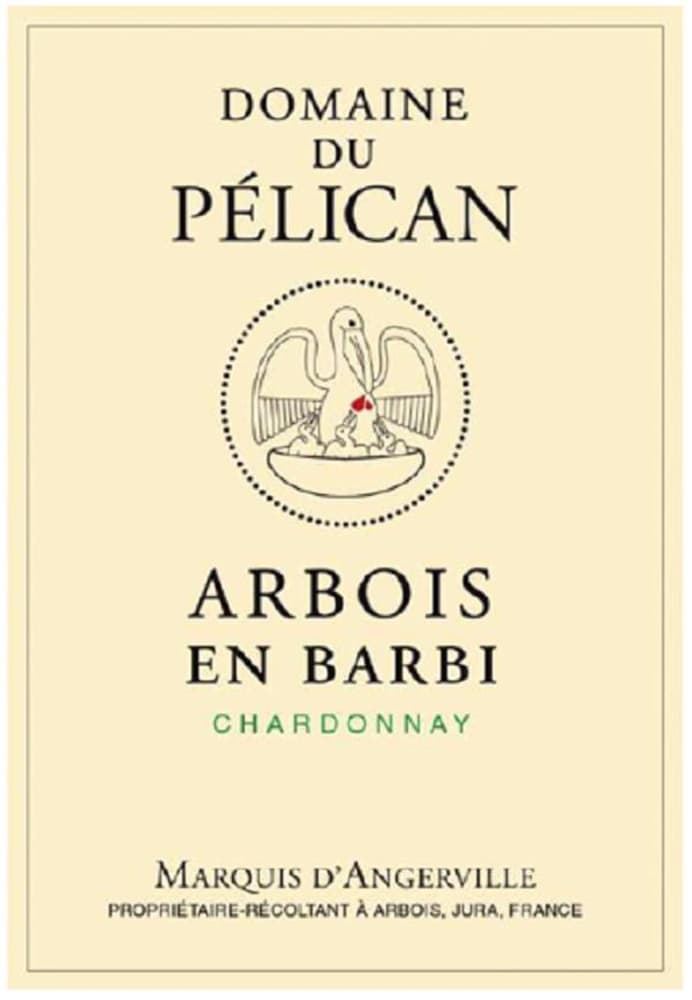
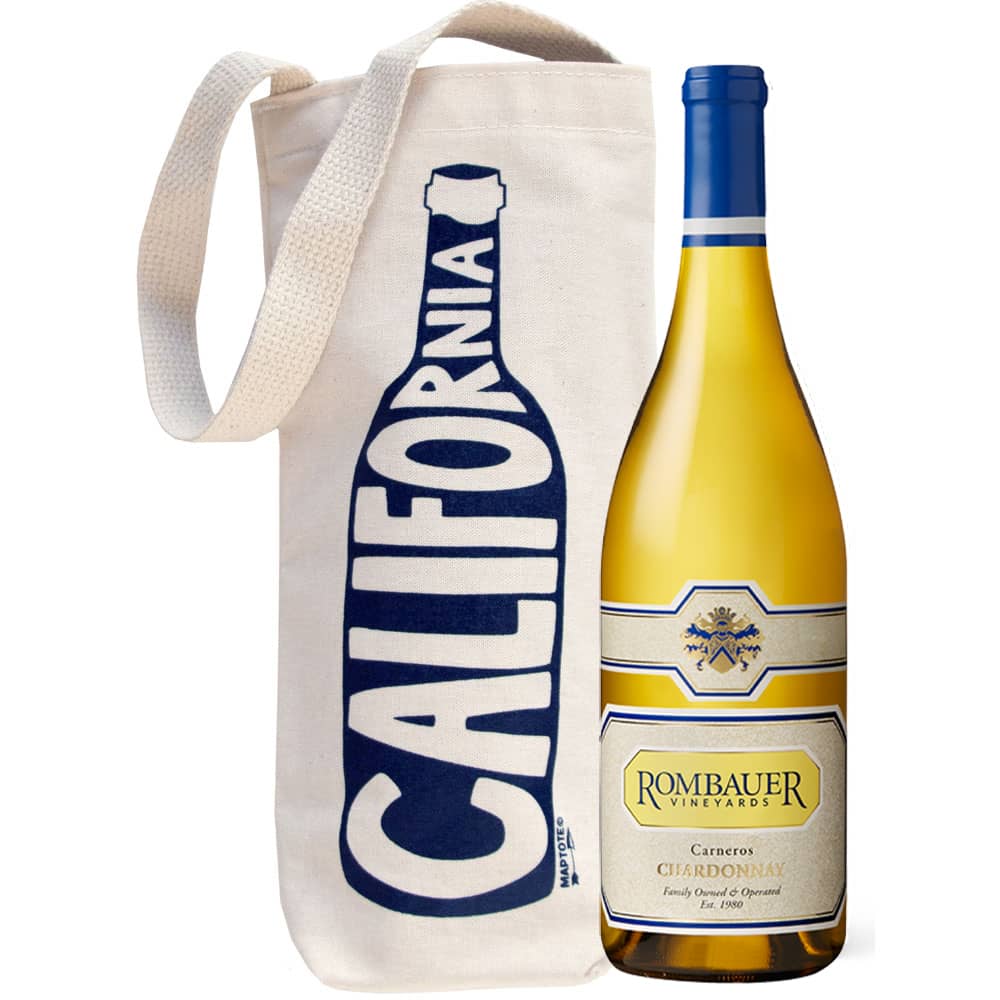
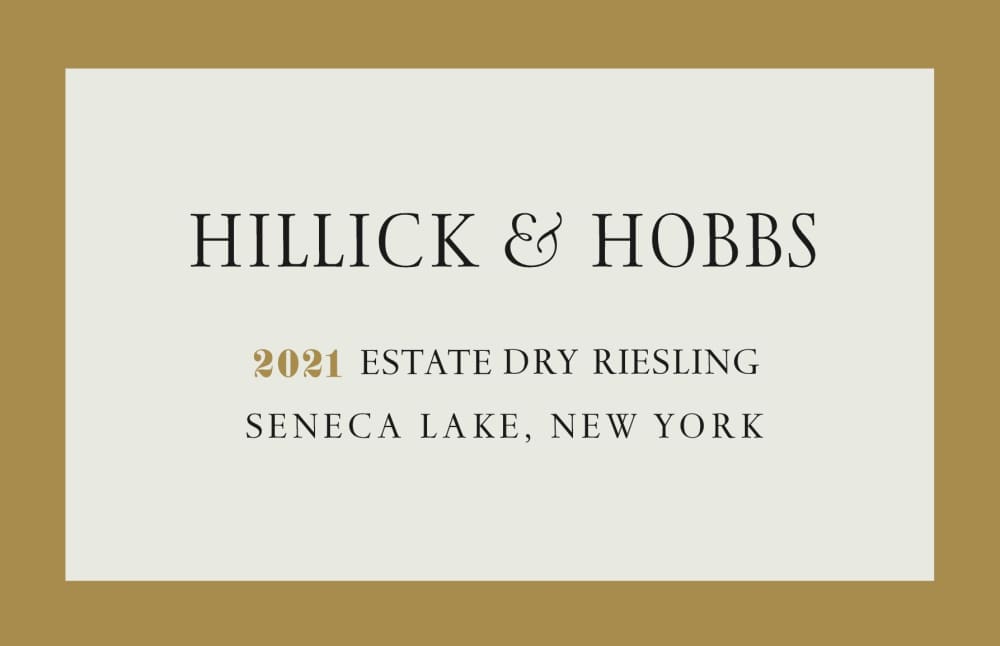
If you’re looking to expand your palate, consider sampling a range of pale vintages from various regions. From the crisp notes of Sauvignon Blanc to the buttery textures of Chardonnay, the spectrum is rich and inviting. Each selection offers a unique experience shaped by its origin, grape variety, and production methods.
Among the most recognized options, you’ll find the refreshing Pinot Grigio, known for its light body and zesty acidity. Alternatively, the aromatic Gewürztraminer provides a delightful contrast with its floral and spicy profile. If you prefer something with a touch of sweetness, Riesling can be an excellent choice, showcasing a balance between fruitiness and acidity.
Don’t overlook lesser-known varieties such as Vinho Verde, a light and effervescent choice from Portugal, or the complex and mineral-driven Albariño from Spain. Each glass tells a story of its terroir, offering a glimpse into the traditions and climates that shape these exquisite beverages.
Understanding the Major White Wine Varietals
Focusing on key varietals can enhance your appreciation of these beverages. Here are some prominent selections:
- Chardonnay: Known for its versatility, this grape produces a range of flavors from crisp green apple to rich buttery notes. It pairs well with seafood and poultry.
- Sauvignon Blanc: Typically vibrant and aromatic, this variety showcases citrus and herbaceous qualities. Ideal companions include salads and goat cheese.
- Riesling: This grape offers a spectrum from dry to sweet. Its floral and fruity essence complements spicy Asian dishes and desserts.
- Pinot Grigio: Characterized by its light body and crispness, it often features pear and honeydew flavors. Great with light pasta and seafood.
- Gewürztraminer: Known for its aromatic profile, it displays lychee and rose notes. Pairs wonderfully with spicy cuisines.
Selecting a varietal based on food pairing can elevate your dining experience. For example, a chilled Sauvignon Blanc with a fresh salad is a delightful match.
Exploring these varietals can lead to discovering personal favorites. Each offers unique characteristics that contribute to the complexity of taste profiles in various scenarios.
Exploring Regional Differences in Wine Production
Examine the distinct characteristics of various geographical zones that influence the characteristics of this beverage. Each region, from the sun-drenched vineyards of California to the cooler climates of Germany, showcases unique profiles shaped by climate, soil, and local traditions.
In France, for instance, the Loire Valley is celebrated for its crisp Sauvignon Blanc, reflecting the cool climate and diverse terroirs. Here, you can experience the vibrant acidity and mineral notes that define the varietal, making it perfect for pairing with seafood dishes.
Italy presents a contrasting approach, particularly in regions like Friuli-Venezia Giulia, where indigenous grapes such as Friulano thrive. The wines from this area are often characterized by their rich textures and complex aromas, ideal for enjoying with local cheeses and cured meats.
Australia’s wine regions, like Margaret River, produce exceptional examples of Chardonnay, known for its full-bodied style and tropical fruit flavors. The warm climate coupled with maritime influences results in wines that exhibit balance and richness, suited to complement grilled dishes.
In South Africa, the Stellenbosch region stands out with its Chenin Blanc, which offers versatility ranging from dry to sweet styles. The varied terroir allows for a wide expression of flavors, making these wines delightful companions to spicy cuisine.
Exploring these regions provides insight into how local conditions and winemaking practices shape the sensory experience of each bottle. Understanding these nuances enhances appreciation for the diversity found in this segment of the beverage world.
Identifying Characteristics of Popular White Wine Varietals
Chardonnay is known for its versatility, ranging from crisp and fruity to rich and oaky, depending on the region and winemaking techniques. Expect aromas of green apple, pear, and citrus, often accompanied by buttery notes from malolactic fermentation. Aged examples can exhibit flavors of vanilla and toasty oak.
Sauvignon Blanc presents a refreshing profile, often marked by high acidity and vibrant flavors. Look for grassy, herbal notes alongside tropical fruit aromas, such as passionfruit and grapefruit. When grown in cooler climates, it can showcase a flinty minerality.
Riesling is typically aromatic, featuring floral notes and a range of sweetness levels. Common descriptors include peach, apricot, and honey. Dry versions highlight crisp acidity, while sweeter styles often display a luscious mouthfeel with hints of petrol as they age.
Pinot Grigio and its Italian Charm
Pinot Grigio, particularly from Italy, has a light and crisp character, showcasing flavors like green apple, lemon, and almond. Its refreshing acidity makes it an excellent choice for warm weather and pairs well with light dishes and seafood.
Other Notable Varietals
Grüner Veltliner, hailing from Austria, is characterized by its peppery notes and stone fruit flavors. Expect a bright acidity that complements dishes with spice or herbal elements. Semillon, often blended with Sauvignon Blanc in Bordeaux, has a waxy texture with flavors of lemon, honey, and lanolin, especially when aged.
Understanding these profiles enhances the appreciation of each varietal. Choosing the right bottle can elevate any occasion, whether it’s a casual gathering or a formal dinner. Pay attention to the specific characteristics of each varietal to find the perfect match for your palate.
Pairing White Wine Varieties with Food
For a delightful dining experience, selecting the right combination of beverages and cuisine is essential. Here are some specific pairings that enhance both the dish and the liquid.
- Sauvignon Blanc: Its crisp acidity complements dishes like goat cheese salad, grilled asparagus, and light seafood, such as shrimp or scallops.
- Chardonnay: A rich, oaked version pairs beautifully with creamy sauces, roast chicken, or lobster. Unwooded variants work well with lighter fare like sushi or grilled vegetables.
- Riesling: This aromatic choice, especially off-dry versions, enhances spicy Asian dishes, including Thai curry or Szechuan chicken, and pairs well with desserts like apple pie.
- Pinot Grigio: Its light and zesty profile matches perfectly with seafood pasta, fried calamari, or a fresh Caprese salad.
- Gewürztraminer: The floral and spicy notes make it a great companion for rich dishes like duck à l’orange or spicy Indian cuisine.
- Verdelho: This lesser-known varietal shines with grilled fish tacos, citrus-marinated chicken, or fresh ceviche.
Experimenting with these combinations can lead to delightful surprises, elevating your culinary adventures. Each pairing offers a unique tasting experience, enhancing the flavors of both the food and the beverage.
Climate’s Impact on White Grape Varieties
Regional climate significantly shapes the characteristics of grape varieties. For instance, cooler areas often yield grapes with higher acidity, resulting in crisper profiles. In contrast, warmer climates tend to produce fruit with richer flavors and lower acidity. Understanding these nuances is vital for appreciating the diversity of styles.
Temperature and Terroir
Temperature fluctuations during the growing season influence sugar accumulation and acidity levels in grapes. A consistent warm climate can lead to overripe fruit, while cooler conditions may delay ripening, allowing for more balanced flavor profiles. Terroir, which includes soil composition and microclimates, further contributes to the unique expressions found in various regions.
| Climate Type | Grape Varieties | Flavor Notes |
|---|---|---|
| Cool Climate | Sauvignon Blanc, Riesling | Citrus, Green Apple, Floral |
| Moderate Climate | Chardonnay, Pinot Grigio | Stone Fruit, Melon, Creamy |
| Warm Climate | Viognier, Chenin Blanc | Tropical, Honey, Spice |
Sun Exposure and Ripening
Sun exposure is crucial for the ripening process. Grapes that receive ample sunlight develop more intense flavors. Regions with extended daylight hours help grapes achieve optimal maturity, impacting the final product’s aroma and taste profile. Producers often adjust canopy management techniques to ensure grapes receive the right amount of sunlight.
Assessing the Role of Winemaking Techniques in White Wine Diversity
Utilizing various fermentation methods significantly contributes to the spectrum of flavors and aromas found in numerous varietals. For instance, the decision to ferment in stainless steel versus oak barrels influences the final profile, with oak imparting vanilla and spice notes while stainless steel preserves the fruitiness and acidity.
Malolactic fermentation is another technique that can transform the mouthfeel and flavor complexity. This process converts sharper malic acid into softer lactic acid, resulting in a creamier texture and buttery notes, often seen in certain Chardonnays.
Skin contact during fermentation also plays a pivotal role. Allowing the juice to remain in contact with the grape skins can introduce tannins and color, enhancing the depth of flavor and texture. This method is common in producing orange wines, which are gaining popularity.
Temperature control during fermentation is crucial as well. Cooler temperatures tend to preserve delicate floral and fruity characteristics, while warmer fermentations can enhance body and richness. Winemakers often experiment with these variables to achieve a desired style.
Lastly, the choice of yeast strains can profoundly affect aromatic profiles. Different yeasts contribute distinct flavors and can influence the fermentation’s efficiency. Some winemakers opt for native yeasts to express a more authentic sense of terroir.
In summary, the techniques employed in the production process are fundamental in shaping the diversity found among various expressions of this beverage, allowing for a broad range of experiences and preferences among enthusiasts.
Exploring the Trends in White Wine Preferences
Current consumer tastes are leaning towards lighter, crisper selections. Notably, Sauvignon Blanc and Pinot Grigio are gaining traction due to their refreshing profiles. I recommend trying organic and biodynamic varieties, which are increasingly popular among health-conscious drinkers. These options often showcase unique flavor characteristics derived from sustainable practices.
Emerging Styles and Innovation
Natural and low-intervention offerings are becoming more prevalent, appealing to those seeking authenticity. Winemakers are experimenting with skin contact methods, leading to intriguing orange wines that blur the lines between traditional categories. This trend invites exploration beyond conventional choices.
Consumer Engagement and Knowledge
Wine education events and tastings have surged, allowing enthusiasts to connect with producers and learn about various styles. Engaging with local wineries provides insights into regional preferences and helps identify personal favorites. Social media platforms play a significant role in shaping these preferences, as users share experiences and recommendations.