Chuck Furuya

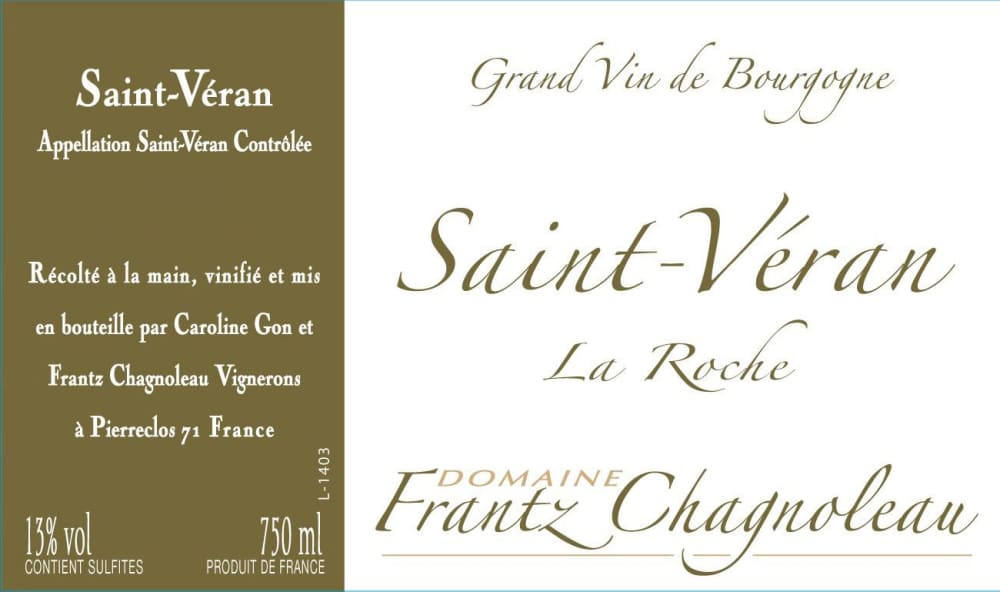

Choosing a bottle from the diverse selection of pale beverages can elevate any occasion. Among the most celebrated are Sauvignon Blanc, known for its crisp acidity and herbaceous notes, and Chardonnay, which showcases a range from buttery and oaky to bright and mineral-driven profiles. Each option offers a unique tasting experience that can complement various dishes and preferences.
Another noteworthy variety is Pinot Grigio, often characterized by its light body and refreshing citrus flavors, making it a perfect match for seafood. Conversely, Riesling brings an aromatic sweetness that can balance spicy cuisines, adding an intriguing contrast to meals. For those seeking something more unconventional, consider Grüner Veltliner, which provides a peppery kick and vibrant acidity that pairs beautifully with a variety of foods.
Exploring these selections reveals distinct flavor profiles and characteristics, each worthy of attention. Understanding these nuances not only enhances the tasting experience but also aids in making informed choices tailored to personal tastes and dining occasions.
Identifying Key Varietals of White Wines
To appreciate the nuances of this category, focus on a few prominent varietals. Each offers distinct characteristics that cater to various palates.
Chardonnay
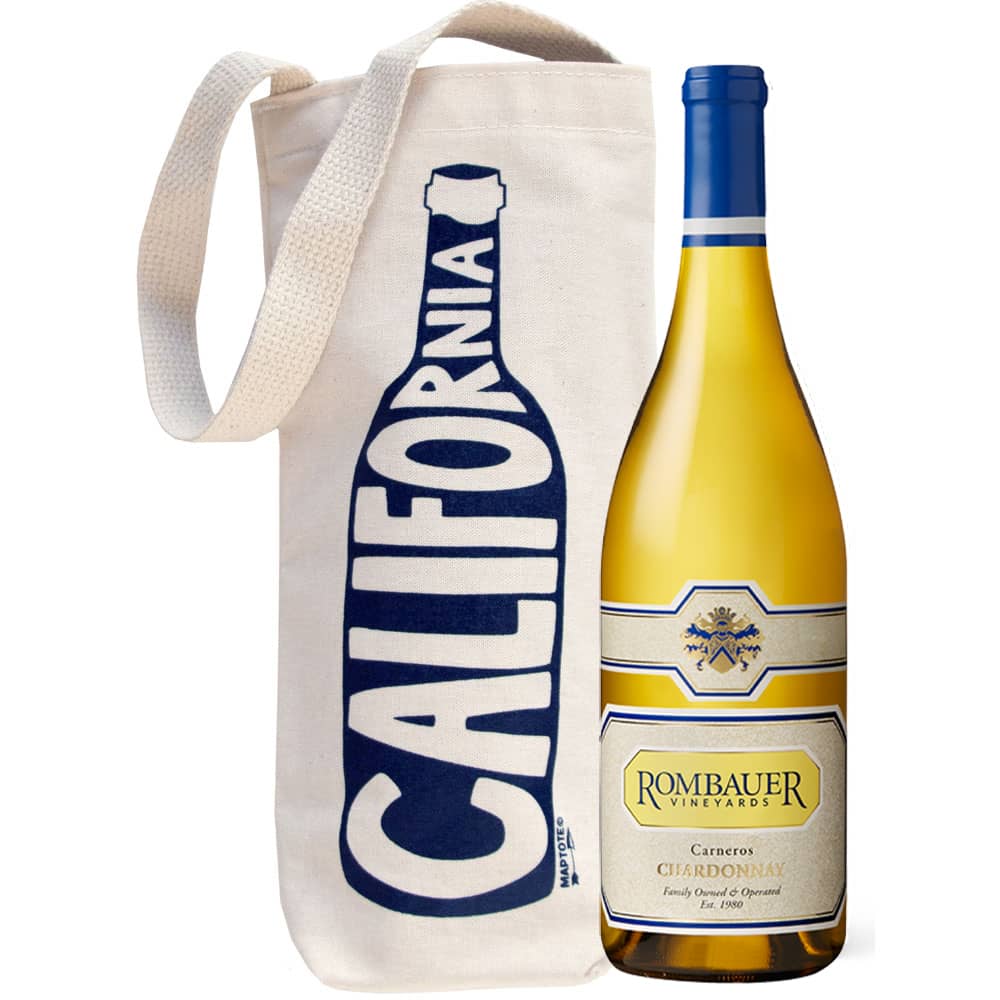
Chardonnay stands out for its versatility. Ranging from crisp and mineral-driven styles to rich and buttery profiles, it adapts well to different climates. Look for notes of green apple and citrus in cooler regions, while warmer climates yield tropical fruit flavors. Oak aging can introduce vanilla and toast elements.
Sauvignon Blanc
This grape shines with bright acidity and aromatic intensity. Originating from regions like Bordeaux and New Zealand, it often presents grassy, herbaceous notes alongside citrus and stone fruits. A standout feature is its ability to express terroir, making it a favorite for those who enjoy fresh, zesty options.
Riesling, with its aromatic complexity, offers an intriguing experience. Its flavor profile ranges from dry to sweet, featuring stone fruits, honey, and floral notes. Ideal for pairing with spicy cuisine, it showcases a unique balance of sweetness and acidity.
Pinot Grigio tends to exhibit lighter, crisper flavors, making it an excellent choice for warm weather. Commonly found in Italy, this varietal often displays pear and apple notes, with a refreshing finish that complements seafood dishes.
Exploring these varietals allows for a deeper understanding of the diversity within this category. Each offers a unique tasting journey, reflecting the region and winemaking techniques involved.
Exploring Flavor Profiles and Food Pairings
For a delightful tasting experience, pairing specific varietals with complementary dishes enhances both the wine and food. Here are some suggestions based on flavor characteristics.
Crisp and Refreshing Varietals
- Sauvignon Blanc: Bright acidity and citrus notes make it perfect with goat cheese, shellfish, and fresh salads.
- Pinot Grigio: Its light body and fruity aroma pair well with light pasta dishes, seafood, and grilled vegetables.
Full-Bodied and Rich Varietals
- Chardonnay: Oaked versions, with buttery flavors, complement rich dishes like lobster, creamy risottos, and roasted chicken.
- Viognier: Aromatic and floral, it goes wonderfully with spicy Asian cuisine, creamy sauces, and even barbecued meats.
Sweet and dessert options also warrant attention. A late-harvest Riesling can elevate a fruit tart or cheese platter, while Moscato pairs beautifully with light desserts or even spicy fare.
Experimenting with these combinations can lead to discovering personal preferences and enhancing dining experiences significantly.
Understanding Regions and Their Unique Characteristics
Focusing on specific regions enhances appreciation for these beverages, showcasing their unique attributes. For instance, the Loire Valley in France is renowned for its crisp and aromatic expressions, particularly from Sauvignon Blanc and Chenin Blanc varietals. I recommend trying a Sancerre or Vouvray to experience the mineral-driven profiles that reflect the region’s terroir.
Burgundy’s Influence
Burgundy is synonymous with Chardonnay excellence. Here, Chablis offers a steely, flinty profile, while Côte d’Or delivers richer, oak-influenced styles. A glass of Meursault exemplifies the creamy texture and complex flavors resulting from meticulous winemaking practices in this esteemed area.
New World Innovations
California’s Napa Valley showcases bold, fruit-forward interpretations. A Napa Valley Chardonnay often presents ripe tropical notes alongside a buttery mouthfeel due to malolactic fermentation. It’s ideal alongside dishes like lobster or creamy pasta. In contrast, Australia’s Margaret River produces vibrant, citrus-tinged expressions, perfect for pairing with fresh seafood.
| Region | Key Varietals | Flavor Profile | Food Pairings |
|---|---|---|---|
| Loire Valley | Sauvignon Blanc, Chenin Blanc | Crisp, mineral-driven | Salads, goat cheese |
| Burgundy | Chardonnay | Creamy, complex | Chicken, seafood |
| Napa Valley | Chardonnay | Ripe, fruity, buttery | Lobster, creamy dishes |
| Margaret River | Chardonnay | Citrus, vibrant | Fresh seafood |
Exploring these regions opens a new dimension of enjoyment, enhancing the tasting experience through understanding the influences of geography and climate on flavor profiles. Each bottle tells a story of its origin, inviting us to savor the nuances that make each glass distinct.