Chuck Furuya


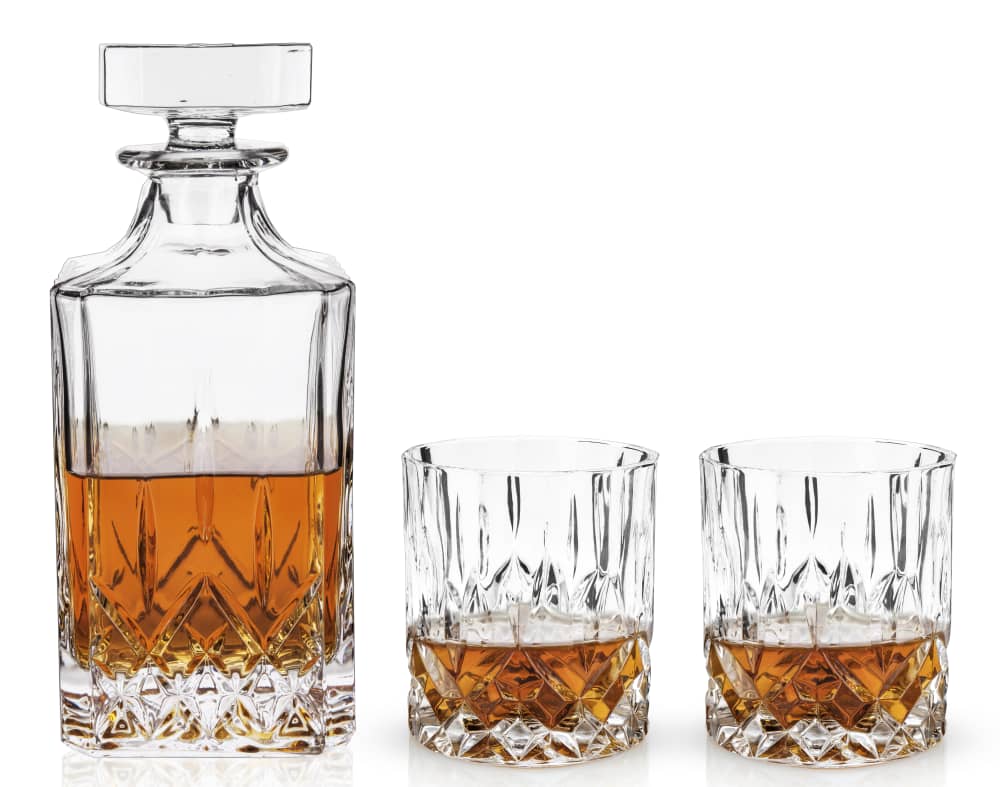
To fully appreciate the nuances of each type of wine, I recommend selecting the appropriate vessel tailored for its characteristics. A glass designed for red varietals typically features a wider bowl, allowing for greater aeration and the release of complex aromas. This shape enhances the tasting experience by enabling the wine to breathe, thus intensifying its flavors and bouquet.
Conversely, a vessel crafted for white varietals tends to be narrower and taller. This design helps to maintain cooler temperatures, which is crucial for preserving the crispness and acidity that define many white wines. The shape also directs the wine to specific areas of the palate, accentuating the refreshing notes and subtle complexities unique to these varieties.

Understanding these distinctions not only elevates the tasting experience but also showcases the unique profiles of each wine type. By investing in the right glassware, I enhance my appreciation and enjoyment of every sip, ensuring that each varietal shines in its own light.
Understanding the Shape and Size of Wine Glasses
Choosing the appropriate vessel enhances the tasting experience significantly. A bowl with a wider opening allows aromas to escape, which is particularly beneficial for full-bodied varieties. I prefer glasses that taper at the rim for lighter options, as this concentrates the delicate fragrances.
The height of the stem also plays a role. Longer stems help maintain the temperature of chilled selections by minimizing contact with the hand. Conversely, shorter stems can add a rustic charm to heavier options, creating a more robust feel. I often opt for a more substantial base for fuller-bodied drinks, as it provides stability and a solid grip.
When considering volume, larger capacities allow for swirling, which aerates the liquid, enhancing its character. I find that smaller bowls are ideal for lighter varieties, preventing overexposure to air, which could diminish their freshness.
Ultimately, the design of the vessel not only reflects aesthetic preferences but also influences the overall tasting journey. Selecting the right shape and size can elevate the enjoyment of each sip, making it a crucial aspect of the wine experience.
The Role of Bowl Depth in Wine Tasting
Choosing a vessel with appropriate bowl depth enhances the tasting experience. A deeper bowl allows for better aeration, which is crucial for releasing aromatic compounds. This is particularly beneficial for fuller-bodied options, as the aromas can develop more fully in a space that encourages evaporation.
For lighter varieties, shallower bowls can be more effective. They concentrate aromas closer to the nose, providing a different sensory experience that highlights the wine’s delicate notes. The depth influences the perception of flavors, shaping how each sip unfolds on the palate.
Here’s a quick comparison of bowl depth and its impact on various styles:
| Wine Type | Bowl Depth | Aroma Release | Tasting Notes |
|---|---|---|---|
| Full-bodied | Deep | Enhanced | Rich, complex |
| Lighter | Shallow | Concentrated | Fresh, floral |
In conclusion, the bowl depth significantly influences both aroma release and overall tasting experience. Selecting an appropriate vessel based on the characteristics of the beverage enhances appreciation and enjoyment.
How Temperature Affects Wine Flavor Perception
Serving temperature significantly influences how I experience flavors in my glass. For optimal enjoyment, I recommend adhering to specific temperature ranges for various types of vino.
- Red Varietals: Typically, I find that serving at 60-65°F (15-18°C) enhances the richness and complexity, allowing the tannins to soften and the fruit notes to shine.
- White Varietals: A cooler range of 45-55°F (7-13°C) preserves the freshness and acidity, highlighting floral and citrus characteristics. This temperature enhances crispness and balances sweetness.
- Rosé: I prefer serving rosé at 50-55°F (10-13°C) to maintain its refreshing quality while allowing subtle fruit nuances to emerge.
When the temperature deviates from these ranges, I notice a shift in flavor perception. Warmer conditions can emphasize alcohol, which may overpower delicate notes. Conversely, wines served too cold may mute their complexity, making them seem flat.
For best results, I recommend using a thermometer to ensure accuracy. If serving wine at home, I often place whites in the refrigerator or an ice bucket shortly before tasting. For reds, a brief chill in the fridge can help if they have been stored at room temperature.
Understanding the impact of temperature allows me to fully appreciate the intended character of each bottle. Adjusting serving conditions can transform the tasting experience, revealing layers of flavor that might otherwise go unnoticed.
The Importance of Rim Thickness in Wine Glasses
Choosing a vessel with the right rim thickness significantly influences the tasting experience. A thinner rim allows for a smoother flow of liquid onto the palate, enhancing the overall perception of flavors. I prefer glasses with delicate edges for lighter varietals, as they can elevate the freshness and acidity of the wine.
Benefits of Thin Rims
- Facilitates a seamless tasting experience.
- Promotes a more precise delivery of wine to the taste buds.
- Less interference with the aroma, allowing for a better olfactory experience.
Characteristics of Thicker Rims
- Provides a sturdier feel and durability.
- Can enhance the perception of body and richness in full-bodied wines.
- May affect the aeration process, impacting how the wine opens up.
When selecting a vessel, consider the intended wine style. For robust reds, a moderate rim thickness can complement the wine’s complexity, while delicate whites benefit from a more refined edge. Experimenting with various rim thicknesses can lead to discovering personal preferences and enhancing the enjoyment of each pour.
Choosing the Right Glass for Different Wine Varieties
Opt for a glass with a narrower rim when enjoying aromatic whites like Sauvignon Blanc or Riesling. This design directs the wine’s bouquet towards your nose, enhancing the sensory experience. For fuller-bodied whites such as Chardonnay, a slightly wider rim allows for better aeration, softening the flavors and promoting a rounder palate.
When sampling lighter reds like Pinot Noir, select a glass with a broader bowl. This shape permits more air exposure, which helps to release the wine’s delicate aromas. On the other hand, robust reds such as Cabernet Sauvignon benefit from a glass that features a larger bowl, allowing for a fuller appreciation of their complex characteristics.
Impact of Glass Height on Flavor Delivery
Tall glasses can elevate the tasting experience by guiding the wine to the back of the palate, enhancing the perception of tannins and acidity. Shorter glasses may focus more on the mid-palate, which can be beneficial for lighter varietals that showcase fruitiness. The height of the glass also influences the way aromas are captured, directly affecting flavor perception.
Material Matters: Crystal vs. Glass
Selecting crystal over standard glass can enrich the tasting experience. Crystal’s thinner walls create a lighter feel, allowing for better temperature control. Additionally, the clarity of crystal enhances visual appeal, showcasing the wine’s color and clarity, which can influence the overall enjoyment of the drink.
Impact of Glass Material on Wine Experience
The choice of material significantly influences the tasting journey. Crystal glasses, for instance, enhance the visual allure of the beverage, allowing for clearer observation of color and clarity. The refractive qualities of crystal can elevate the perception of aromas, enhancing the overall experience.
Temperature Regulation
Glass thickness plays a key role in temperature management. Thinner materials allow for quicker temperature changes, which can be advantageous for serving chilled whites. Conversely, thicker options maintain warmth longer, making them suitable for robust varieties. This thermal characteristic directly affects flavor release and aroma concentration.
Interaction with Aromas
Some materials, such as lead-free crystal, are specifically designed to enhance aroma interaction. The surface texture and composition can influence how volatile compounds evaporate, impacting how fragrances are perceived during tasting. Choosing a glass tailored to the wine type can amplify aromatic complexity, enriching the enjoyment of each sip.
Common Myths About Wine Glasses Debunked
Many misconceptions surround the vessels we use to enjoy our favorite beverages. Here are some of the most prevalent myths and the truths behind them:
1. Size Doesn’t Matter
A common belief is that any vessel will suffice for any type of beverage. However, the size of the bowl can significantly influence aroma and taste. Larger bowls allow for better aeration, enhancing the drinking experience, particularly with full-bodied varieties.
2. Price Equals Quality
Some assume that expensive vessels guarantee a superior experience. While quality materials can enhance durability and aesthetics, the enjoyment derived from a drink often relies more on the beverage itself than the cost of its container.
3. One Glass Fits All
- This idea overlooks how different shapes can amplify or mute specific characteristics. For instance, a narrow rim may concentrate floral aromas, while a wider bowl can release more complex notes.
- Choosing an appropriate vessel tailored to the type of beverage can elevate the overall tasting experience significantly.
4. Crystal is Always Better
While crystal can enhance clarity and brilliance, not all crystal is created equal. Some may contain lead, which can be harmful. Opting for lead-free crystal or high-quality glass can provide a safe and enjoyable option without compromising aesthetics.
5. Only Experts Can Differentiate
- Many believe that only trained professionals can appreciate the nuances of various types. In reality, personal preference plays a crucial role in enjoyment, and anyone can develop their palate through exploration.
- Experimenting with various containers can be a delightful way to discover what suits one’s taste best.
Dispelling these myths allows for a more enjoyable and informed experience when it comes to savoring beverages. Understanding the significance of the right container can lead to enhanced appreciation and enjoyment of each sip.