
 Chuck Furuya
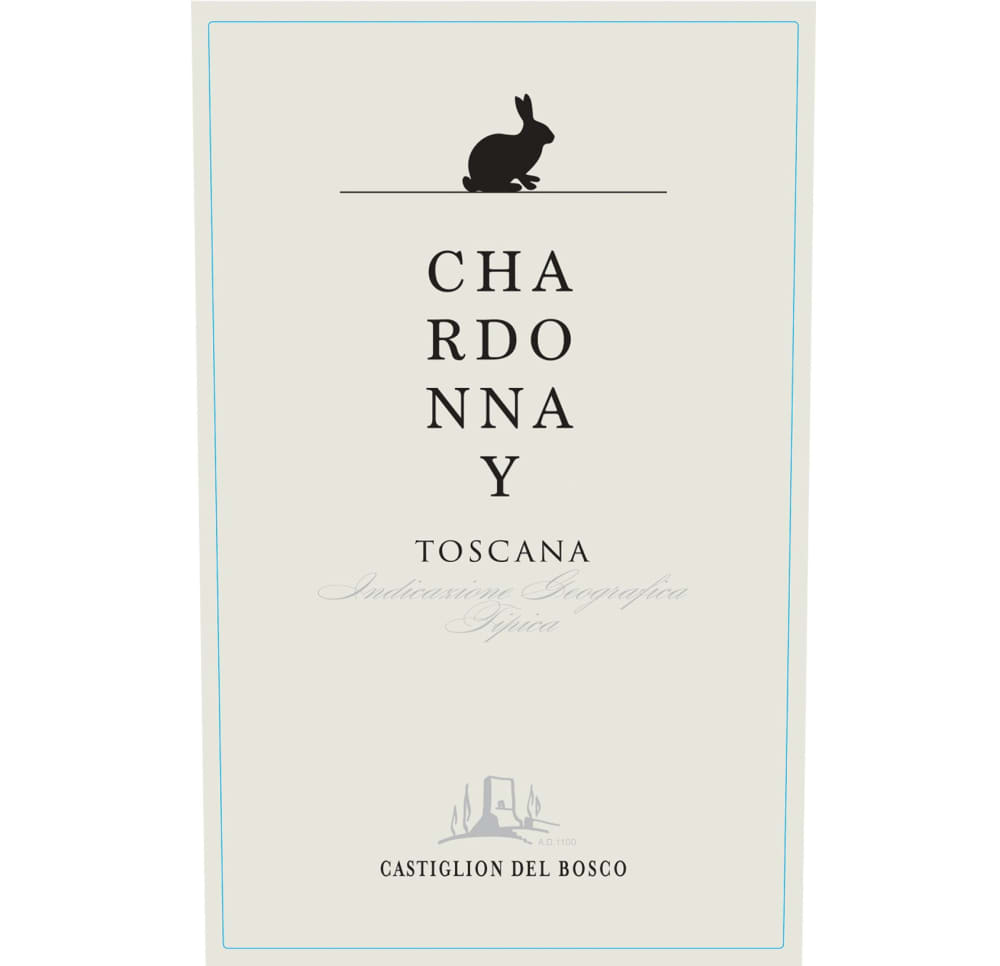

I recommend consuming light-hued vintages within three to five days of uncorking to enjoy their optimal flavor profile. Exposure to air causes oxidation, which can alter the taste over time, leading to a less enjoyable experience.
Store your opened bottle in a cool, dark place, ideally in the refrigerator. A tight seal with a stopper helps minimize air exposure, preserving the original taste for a longer period. If you notice any off-flavors or a vinegar-like aroma, it’s best to discard the remaining liquid.

In certain cases, specific varieties may retain their quality slightly longer, but three to five days remains the general guideline. Pay attention to the characteristics of the particular vintage you have, as freshness can vary based on the grape variety and winemaking techniques used.
Duration of Opened Bottles
Generally, I find that a bottle remains in optimum condition for 3 to 5 days once the seal is broken. However, this can vary based on specific factors.
- Type: Lighter varieties like Pinot Grigio may last closer to 3 days, while fuller-bodied options, such as Chardonnay, can stretch to 5 days.
- Storage: Keeping the bottle in a refrigerator significantly enhances freshness. I always ensure it’s sealed tightly with the original cork or a wine stopper.
- Oxidation: Exposure to air affects flavor. I notice that wines can begin to taste flat or less vibrant after just a couple of days.
If I ever have leftover liquid, I make it a point to consume it within this timeframe to enjoy the best flavors. Some enthusiasts even use preservation systems to extend life, but I find that simple storage methods work well for me.
Factors Influencing Wine Longevity
Temperature plays a critical role in determining how well a bottle lasts once uncorked. I recommend storing opened bottles in the refrigerator, as lower temperatures can slow down oxidation. Ideally, maintain a range between 45°F and 55°F (7°C to 13°C) for optimal preservation.
Oxygen Exposure
Once exposed to air, the chemical reactions begin immediately. The amount of oxygen that interacts with the liquid influences its aging process. Using a wine preserver or vacuum pump can significantly reduce this exposure, allowing the beverage to maintain its qualities longer.
Closure Type
The type of closure used impacts freshness duration. Bottles with screw caps tend to seal better than corked options, minimizing air entry and preserving the beverage’s integrity. If I have a choice, I prefer wines sealed with screw caps for extended enjoyment.
| Factor | Impact on Longevity |
|---|---|
| Temperature | Colder temperatures slow oxidation, maintaining flavor. |
| Oxygen Exposure | Increased exposure leads to faster deterioration. |
| Closure Type | Screw caps provide better sealing than corks. |
Light exposure also affects longevity. Keeping the bottle in a dark place prevents light damage, which can alter flavors. I make it a point to store opened bottles away from direct sunlight or bright indoor lighting.
Signs That White Wine Has Gone Bad
Look for a noticeable change in aroma. If the scent is reminiscent of vinegar or has a sharp, off-putting smell, it indicates spoilage. A fresh and fruity bouquet should be expected from a quality bottle.
Pay attention to the appearance. A shift in color towards a darker hue, especially if it turns brownish, suggests oxidation. An unappealing haziness or sediment that wasn’t present before can also be a red flag.
Taste Test
Take a small sip. If the flavor is sour or excessively bitter, it’s likely that the liquid has spoiled. A flat or dull taste, lacking the intended freshness, is another sign of deterioration.
Carbonation Changes
For sparkling varieties, observe the bubbles. A lack of effervescence can indicate that the drink has lost its vitality, signaling that it’s no longer at its best.
Best Storage Practices for Opened White Wine
To maintain the flavor and freshness of an opened bottle, store it in the refrigerator. The cooler temperature slows down oxidation, which can spoil the beverage. If possible, keep the bottle upright to minimize the surface area exposed to air.
Use a Wine Stopper
Invest in a quality wine stopper designed to create an airtight seal. This helps reduce oxygen exposure, preserving the beverage for a longer period. Vacuum pumps are also effective in removing air from the bottle, further extending its lifespan.
Avoid Direct Sunlight
Store the bottle away from direct sunlight and heat sources. Ultraviolet rays can degrade the quality, leading to off-flavors. A dark, cool place is ideal for storage, ensuring the liquid remains in optimal condition.
Keep in mind that different varietals may have varying shelf lives once opened, so adjusting storage methods accordingly can enhance your experience. Always check the aroma and taste before consuming, even if it has been stored properly.
Methods to Prolong the Freshness of Opened White Beverage
To maximize the lifespan of an opened bottle, consider these strategies:
- Re-corking: Ensure the original cork is securely placed back into the bottle. If damaged, use a wine stopper designed to seal the bottle tightly.
- Vacuum Pump: Utilize a vacuum pump to remove excess air from the bottle. This reduces oxidation, slowing down spoilage.
- Use of Gas: Inert gas wine preservers can be sprayed into the bottle before sealing. These gases protect the liquid from oxygen exposure.
- Temperature Control: Store the bottle in a cool environment, ideally between 45°F and 50°F (7°C and 10°C). Avoid temperature fluctuations.
- Dark Storage: Keep the beverage away from direct sunlight or bright artificial light, as UV rays can degrade the quality.
- Smaller Containers: Transfer leftover liquid into a smaller bottle. Less air space means reduced oxidation.
Implementing these techniques can significantly enhance the duration of your opened white beverage, allowing for more enjoyable sips over time.



