
 Chuck Furuya
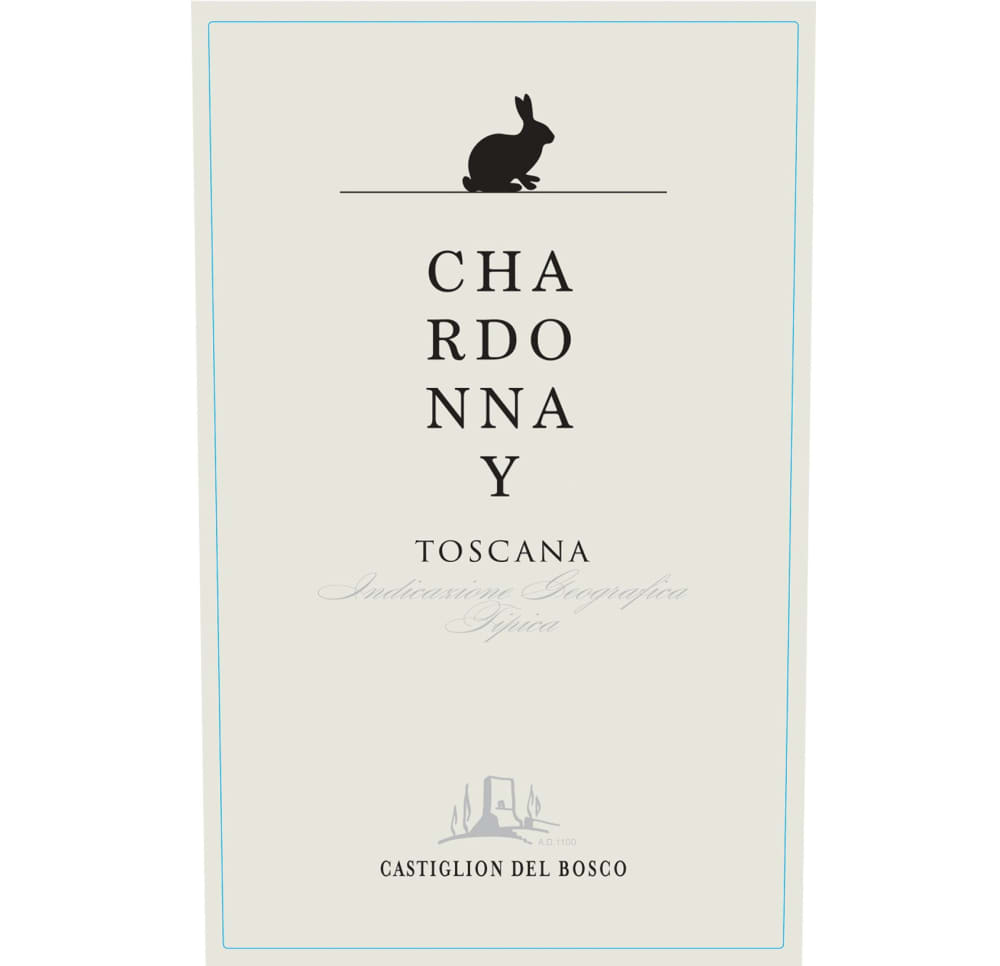

For serving Chardonnay, I recommend selecting a glass with a slightly tapered rim and a bowl that is medium-sized. This design enhances the aromatic qualities of the beverage while allowing for adequate aeration.
The bowl should be wider than that of a typical red serving vessel, as this allows the fruity and floral notes to be more pronounced. A capacity of around 12 to 14 ounces is ideal, ensuring sufficient space for swirling without spilling.
Additionally, the stem should be long enough to prevent warming the liquid with your hand, maintaining the chilled temperature that is essential for this type of refreshment. A fine crystal material can add elegance and clarity, elevating the overall tasting experience.
Understanding the Key Characteristics of White Wine Glasses
A slender bowl is ideal for serving chilled varieties, allowing for better temperature retention and enhancing aromatic compounds. I find that a narrower opening at the rim directs aromas more intensely toward the nose, which is crucial for experiencing the wine’s bouquet.
Key features include:
- Height: Taller designs help maintain cooler temperatures longer.
- Capacity: A volume of 12 to 14 ounces is a practical choice, providing enough space for swirling without overfilling.
- Material: Opting for crystal or high-quality glass enhances clarity and allows for better light refraction, elevating the visual experience.
Choosing a glass with a seamless bowl and stem contributes to an elegant feel and minimizes the risk of breakage. The stem allows for handling without warming the contents, preserving the intended drinking experience.
Utilizing the right vessel not only elevates enjoyment but also supports the tasting process, allowing for a more profound connection with each sip. I recommend experimenting with different styles to discover personal preferences and enhance overall appreciation.
Comparing Different Shapes for Various Types of White Wine
For optimal enjoyment of specific varietals, selecting appropriate vessels is paramount. For crisp and aromatic selections like Sauvignon Blanc, a narrower bowl enhances the concentration of aromas, directing them toward the nose effectively. This design captures the wine’s freshness, making each sip more vibrant.
Richer Varietals
In contrast, fuller-bodied options such as Chardonnay benefit from a slightly wider bowl. This form allows for greater oxygen exposure, promoting the release of complex flavors and aromas. The curvature aids in softening the acidity, resulting in a more rounded tasting experience.
Sparkling Selections
For sparkling varieties, flutes are often preferred. Their tall, slender profile preserves carbonation and showcases the bubbles, providing a visually appealing presentation. However, for a more aromatic experience, a tulip-shaped glass can be advantageous, combining the benefits of both styles.
The impact of glass design on aroma and taste
Choosing the right vessel significantly enhances aroma and flavor experiences. A narrow opening captures and concentrates fragrances, allowing for a more intense olfactory sensation. This is particularly beneficial for crisp varietals that thrive on aromatic complexity.
Narrow vs. Wide Bowls
Narrow bowls encourage the gathering of scents, which is essential for lighter varieties such as Sauvignon Blanc. A wider bowl, however, promotes aeration, making it ideal for richer options like Chardonnay, as it allows these wines to breathe, enhancing their nuanced flavors.
Rim Thickness
The thickness of the rim also plays a role. A thinner edge provides a seamless transition, emphasizing subtle notes and textures. Conversely, a thicker rim can alter the perception of taste, sometimes dulling the experience. Selecting a vessel with a refined edge ensures that delicate wines maintain their elegance on the palate.
Choosing the Right Glass for Serving Temperature
Serve chilled varieties in a narrower vessel to maintain temperature longer. The reduced surface area limits exposure to warm air, ensuring the drink stays refreshing. Aim for a bowl that tapers upwards to concentrate the aromas.
Temperature Guidelines
For optimal enjoyment, serve Sauvignon Blanc at 45-50°F (7-10°C) and Chardonnay between 50-55°F (10-13°C). Adjusting the environment is key; placing the glass in an ice bucket briefly can help achieve ideal conditions.
Material Considerations
Crystal options provide better insulation than standard glass, preserving chill longer. Thinner rims enhance the drinking experience, allowing for a more immediate sensation of the beverage’s crispness. Choosing the right material and design is essential for serving temperature maintenance.
Common mistakes when selecting glassware for white varietals
Choosing inappropriate vessels can significantly diminish the experience. One common error is opting for overly large bowls. While these are suitable for reds, they tend to disperse the delicate aromas of lighter varieties, leading to a lack of appreciation for their nuances.
Ignoring material quality
Another frequent oversight is neglecting the material. Cheap glass can impair clarity and impact the visual presentation of the liquid. High-quality crystal not only enhances aesthetics but also contributes to a better tasting experience by allowing the drinker to appreciate the color and clarity.
Overlooking the rim thickness
Many do not consider rim thickness, which can affect the flow of the liquid. Thicker rims can interfere with the flavor delivery, while thinner rims promote a more direct tasting experience. Prioritizing a fine, delicate rim can elevate enjoyment significantly.
| Mistake | Impact |
|---|---|
| Choosing large bowls | Reduces aroma concentration |
| Opting for low-quality glass | Impairs visual appreciation |
| Ignoring rim thickness | Affects flavor delivery |
Lastly, purchasing sets without considering individual varietal needs can lead to dissatisfaction. Each type requires specific characteristics to enhance its unique qualities. Investing in a diverse collection tailored to different styles can vastly improve one’s tasting experience.


