Chuck Furuya

The optimal range for enjoying light-colored vintages is between 7°C and 10°C. This temperature allows the delicate aromas and flavors to shine through, making the tasting experience more enjoyable.
For those who prefer a slightly warmer profile, serving at around 11°C can enhance the complexity of certain varietals, particularly those with richer notes. It’s crucial to avoid temperatures above 12°C, as this can mask the freshness and crispness that characterize these wines.
To achieve the desired chill, placing the bottle in a bucket of ice and water for about 20 minutes works effectively. Alternatively, refrigeration for a couple of hours provides a consistent coolness. Monitoring the temperature with a thermometer ensures precision, enhancing the overall tasting experience.
Optimal Serving Conditions for Light-Hued Varietals
I recommend chilling these beverages to a range of 7 to 10 degrees. This coolness enhances their refreshing qualities and allows the delicate aromas to shine through. For fuller-bodied options, a slightly warmer range of 10 to 13 degrees is preferable, as it helps to reveal the complexity of flavors.
When storing, placing bottles in a refrigerator for approximately two hours prior to enjoyment is ideal. Alternatively, using an ice bucket with water and ice can achieve the desired chill in about 20 to 30 minutes.
It’s essential to avoid excessive cold, as extreme temperatures can mute the flavors and aromas. I suggest monitoring the serving conditions closely to ensure an enjoyable experience.
For those hosting gatherings, consider having a thermometer on hand. This tool helps in achieving precision, ensuring that each pour meets the recommended range for optimal enjoyment.
Ideal Serving Temperature for Different White Wines
The optimal range for various types of pale beverages is as follows:
- Sauvignon Blanc: Chill between 7-10°C. This enhances its crisp acidity and aromatic profile.
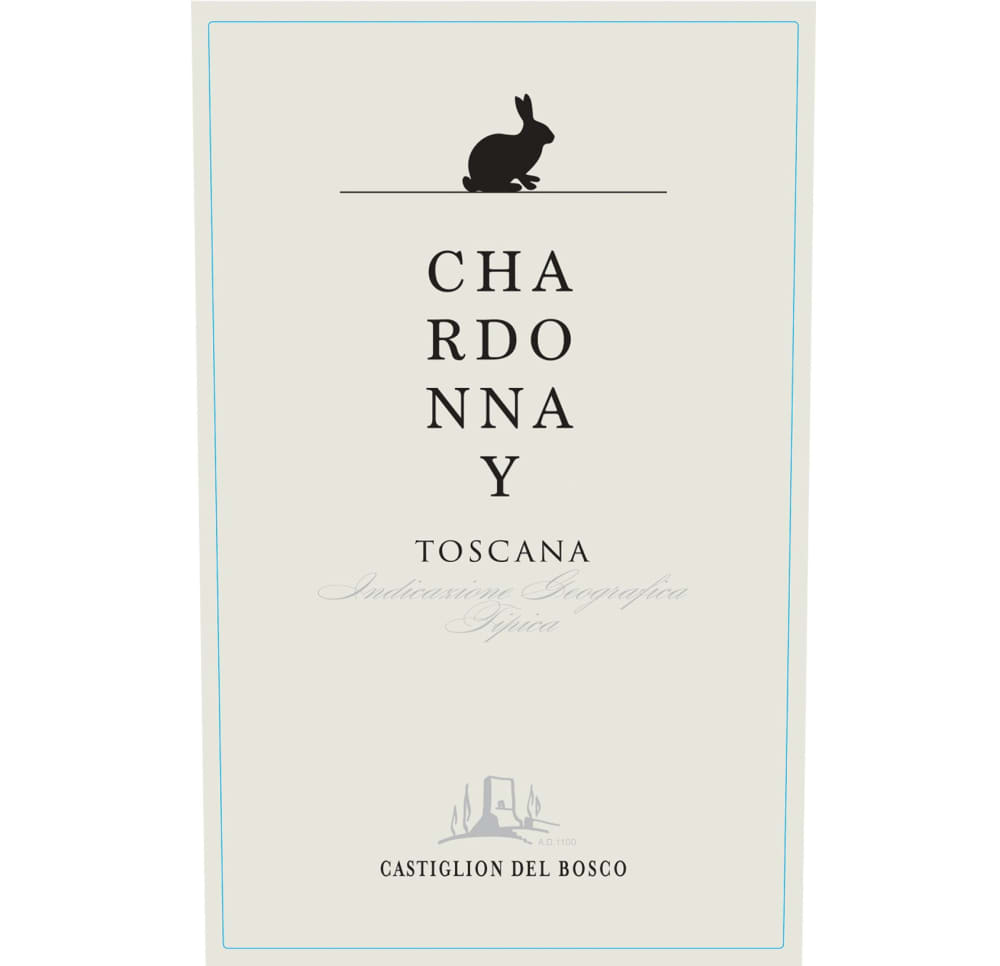
- Chardonnay: Serve at 10-13°C. This allows the complexity of oaked varieties to unfold while maintaining freshness.
- Pino Grigio: Ideal at 6-8°C. A cooler pour accentuates its light and refreshing characteristics.
- Riesling: Best enjoyed at 8-10°C. This temperature emphasizes the balance of sweetness and acidity.
- Gewürztraminer: Serve around 10-12°C. This range brings out the rich aromatics and floral notes.
For sparkling variants, a cooler setting of 5-7°C is preferred, enhancing the effervescence and crispness. Always remember to adjust based on personal preferences and specific bottle characteristics for the best experience.
Impact of Temperature on Flavor Profiles
Serving chilled beverages at specific degrees can significantly alter their flavor characteristics. For lighter varieties, such as Sauvignon Blanc and Pinot Grigio, a cooler range of 6-10°C enhances crispness, accentuating fresh fruit notes and acidity, making the experience more refreshing.
In contrast, fuller-bodied selections like Chardonnay benefit from a slightly warmer range of 10-12°C, which allows for the release of complex aromas and creamy textures. This warmth brings out the nuances of oak aging and buttery notes, creating a richer palate experience.
Consider these points regarding the influence of serving conditions:
- Lower temperatures can mask delicate flavors and aromas, making the beverage taste more one-dimensional.
- Higher temperatures may amplify sweetness and diminish acidity, potentially leading to a cloying sensation.
- Ideal serving conditions enhance the overall sensory experience, allowing one to appreciate the craftsmanship behind each bottle.
To summarize, adjusting the chill level allows the distinct qualities of each variety to shine, creating a more enjoyable tasting experience. Choosing the right degree is key to unlocking the full potential of the beverage.
How to Measure Wine Temperature Accurately
Using a digital thermometer is the most precise method for checking the chill of your beverage. Insert the probe into the liquid, ensuring it doesn’t touch the sides of the glass. Aim for a reading that aligns with the ideal range for your selection.
Alternatives to Digital Thermometers
If a digital tool isn’t available, a simple wine thermometer can be wrapped around the bottle. These devices often provide a color-coded scale that indicates suitable ranges. Just ensure it’s calibrated correctly for accurate readings.
Environment Considerations
Ambient conditions can affect measurements. Conduct checks in an area with stable temperatures, away from direct sunlight or heat sources. This will ensure your readings are reflective of the actual state of your drink, rather than influenced by external factors.
For optimal results, allow the liquid to settle before measuring. This minimizes any impact from pouring or movement. By following these methods, I can ensure that every pour meets the desired experience.
Tips for Chilling White Wine Quickly
To rapidly cool your chilled beverage, immerse the bottle in a mixture of ice and water for optimal results. This method allows for faster temperature reduction compared to ice alone, as the water fills any gaps around the bottle, enhancing heat transfer.
Quick Cooling Techniques
Here are some effective methods to consider:
| Method | Time Required |
|---|---|
| Ice and Water Bath | 15-20 minutes |
| Freezer | 30 minutes |
| Wet Paper Towel Wrap | 10-15 minutes |
| Chilling Sleeve | 20-30 minutes |
Additional Tips
For an even quicker cooling experience, consider using a specialized wine chiller that circulates cold air around the bottle. Additionally, pre-chill your glasses to maintain the desired refreshment for a longer period.
Common Mistakes in Serving Temperature
Serving chilled beverages at inappropriate levels can dramatically alter the tasting experience. A frequent error is serving certain varieties too cold, which may mute their aromas and flavors. For example, aromatic options like Riesling and Sauvignon Blanc thrive at slightly warmer conditions, around 8-10°C, allowing their complex notes to shine. Conversely, heavier selections such as Chardonnay may benefit from being served cooler, ideally at 6-8°C.
Another common pitfall is neglecting to account for the warming effect of glassware. As the drink warms in hand, it can quickly exceed the desired range, impacting overall enjoyment. It’s wise to consider the time it takes for the beverage to reach optimal conditions once poured. I often recommend chilling the bottle to the lower end of the spectrum initially, allowing for a gradual warming to reveal its full character.
Lastly, using ice buckets or quick-chill methods can sometimes lead to uneven cooling. If not monitored, the outer parts may become too cold while the core remains warmer. A simple solution is to rotate the bottle periodically while chilling, ensuring an even temperature distribution. Prioritizing these details can significantly elevate the tasting experience.
Adjusting Conditions for Wine Aging
For optimal maturation, maintain a stable environment at around 12-15 degrees. Fluctuations can lead to undesirable effects on the profile.
Key Factors to Consider
- Humidity: Aim for 60-70% to prevent cork drying and oxidation.
- Light Exposure: Store in a dark place, as UV rays can degrade quality.
- Vibration: Keep bottles still to avoid disturbing sediment.
Monitoring Aging Progress
- Check periodically: Taste and assess every 6-12 months.
- Record notes: Document changes in flavor and aroma.
- Adjust conditions: If necessary, relocate to a more suitable space.
Consistent management of these elements enhances the development of complex flavors, ensuring a rewarding experience upon tasting.