Chuck Furuya

For optimal enjoyment, I recommend serving lighter options at a temperature between 45°F and 55°F (7°C to 13°C). This range enhances the crispness and acidity, allowing the flavors to shine. Conversely, bolder selections are best appreciated at slightly warmer temperatures, ideally around 55°F to 65°F (13°C to 18°C). This warmth helps reveal the complexity of their taste profiles.
When it comes to cooling techniques, placing a bottle in an ice bath for about 15 to 20 minutes is effective. Alternatively, using a refrigerator can also provide satisfactory results, though it may take longer to reach the desired temperature. Always aim for gradual cooling to avoid shocking the liquid.

Pairing choices matter as well; refreshing, chilled varieties complement lighter dishes and seafood, while room temperature options enhance the experience with rich meats and hearty cuisines. Understanding these nuances can significantly elevate your tasting experience.
Optimal Serving Temperature for Different Varietals
For optimal enjoyment, I prefer serving lighter varietals at around 45-50°F (7-10°C). This temperature enhances their crispness and aromatic qualities, making each sip refreshing and delightful. On the other hand, fuller-bodied selections are best at approximately 55-65°F (13-18°C). This range allows their complex flavors and aromas to fully express themselves, providing a richer tasting experience.
Temperature Effects on Flavor Profile
Serving at the appropriate temperature significantly influences the flavor profile. Cooler selections reveal vibrant acidity and nuances, while warmer options can exhibit deeper notes and tannins. I’ve found that serving a heavier option too cold can mask its character, whereas serving a lighter choice too warm can lead to an overly alcoholic taste. Monitoring the temperature is key for a balanced tasting.
Chilling Techniques
If I need to lower the temperature quickly, I opt for an ice bucket filled with water and ice. Submerging the bottle for 15-20 minutes usually achieves the desired chill. For those who prefer a gradual cooling process, placing the bottle in the refrigerator for a few hours works well. I always keep in mind that temperature management is crucial for enhancing the overall tasting experience.
Optimal Serving Temperatures for Red Wine
The ideal temperature range for serving darker varietals is between 60°F to 65°F (15°C to 18°C). This allows the complex aromas and flavors to be fully appreciated. Serving at a temperature too warm may cause the alcohol to overpower the subtler notes.
Temperature Guidelines for Different Types
For lighter-bodied selections, such as Pinot Noir, I recommend aiming for the lower end of the scale, around 55°F to 60°F (13°C to 15°C). This enhances the freshness and acidity. Conversely, fuller-bodied options like Cabernet Sauvignon benefit from slightly warmer conditions, around 65°F (18°C), which helps to express their rich tannins and depth.
Impact of Serving Temperature
Serving at the correct temperature can significantly alter the tasting experience. A beverage that is too warm will not only taste overly alcoholic but also lose the crispness that is characteristic of well-balanced selections. Conversely, serving too cool can mute flavors and aromas, preventing a full appreciation of the characteristics inherent to each type.
Optimal Serving Temperatures for White Wine
The ideal temperature for serving light-bodied varieties is between 45°F and 50°F (7°C to 10°C). This range enhances the crispness and acidity, allowing the fruit flavors to shine.
For medium-bodied options, aim for a slightly warmer temperature of 50°F to 55°F (10°C to 13°C). This range helps reveal the complexity and richness of the wine.
Full-bodied selections benefit from being served at 55°F to 60°F (13°C to 16°C). This temperature allows the wine’s texture and depth to come forward, providing a more rounded experience.
Here are some specific recommendations:
- Sauvignon Blanc: 45°F to 50°F (7°C to 10°C)
- Chardonnay: 50°F to 55°F (10°C to 13°C)
- Riesling: 45°F to 50°F (7°C to 10°C)
- Viognier: 50°F to 55°F (10°C to 13°C)
To achieve these temperatures, I recommend refrigerating the bottles for 2 to 3 hours before serving. For a quick chill, placing the bottle in an ice bucket with water and ice for about 20 minutes works effectively. Avoid serving too cold, as excessive chilling can mute flavors and aromas.
Impact of Temperature on Wine Flavor Profiles
Serving at optimal temperatures significantly influences the tasting experience. Cooler conditions typically enhance acidity and fresh aromas, while higher temperatures may emphasize sweetness and body. For example, a temperature around 45-50°F (7-10°C) brings out the crispness and fruity notes in lighter varieties, making them more refreshing and lively.
On the other hand, warmer varieties, served between 55-65°F (13-18°C), allow the complex flavors and nuances to emerge, providing a richer mouthfeel and deeper aromatic profile. Tannins become more pronounced, which can add depth to the overall experience. Serving too warm can mask delicate flavors, while serving too cold may dull the palate, leading to a flat experience.
In summary, precision in temperature management is key to unlocking the full spectrum of flavors in any bottle. Experimentation with temperature can reveal new dimensions, making each sip a unique adventure.
How to Properly Chill White Wine
The optimal temperature for serving chilled varieties is between 45°F and 55°F (7°C to 13°C). Begin by placing the bottle in an ice bucket filled with equal parts ice and water for about 15-20 minutes. This method allows for efficient cooling without risking temperature fluctuations.
Using the Refrigerator
If an ice bucket isn’t available, the refrigerator is a suitable alternative. Place the bottle inside for approximately 2-3 hours before serving. For a quicker option, you can chill for about 30 minutes in the fridge, but then transfer it to an ice bucket for additional cooling to reach the ideal drinking temperature.
Temperature Checking
<pTo ensure proper serving temperature, I recommend using a wine thermometer. This instrument provides an accurate reading, helping to avoid overshooting the ideal range. When the temperature is right, it enhances the aromas and flavors, allowing for a more enjoyable experience.
How to Properly Serve Red Wine Without Chilling
Serving this beverage at the right temperature significantly enhances its profile. I recommend letting it breathe at room temperature, ideally between 60°F and 65°F (15°C to 18°C). This temperature range allows the complex aromas and flavors to fully express themselves.
Here are specific steps to ensure optimal enjoyment:
- Pour into a glass and allow it to sit for a few minutes. This aeration helps release volatile compounds.
- Use a larger glass to increase surface area, promoting better evaporation of alcohol and enhancing the bouquet.
- Swirl the glass gently before tasting. This action further facilitates the release of aromas.
If the beverage feels too warm, avoid placing it in the refrigerator. Instead, try these methods:
- Place the bottle in an ice bucket filled with cold water and ice for about 10-15 minutes. This method cools without over-chilling.
- Wrap the bottle in a damp cloth and place it in a cool spot for a short time. This can help lower the temperature gradually.
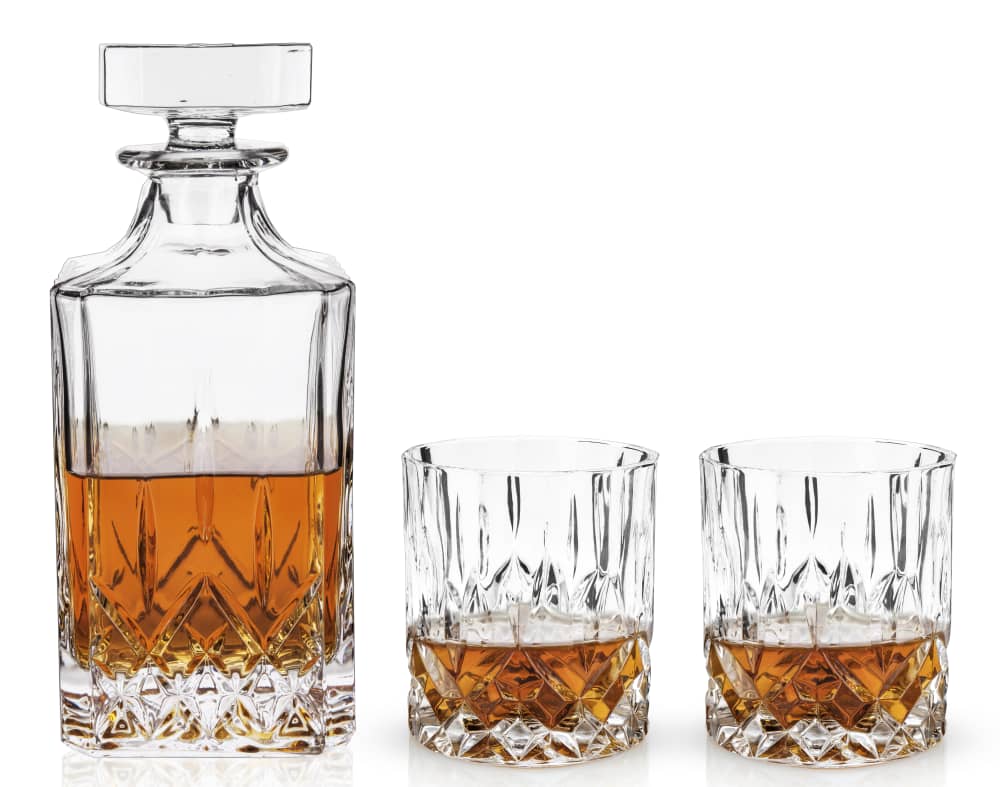
Pay attention to the serving vessel. Crystal or glass decanters can enhance the experience, allowing for better aroma and flavor appreciation. Always serve in appropriate glassware to maximize enjoyment and presentation.
Common Myths About Chilling Red Wine
It’s a common belief that serving certain varieties at lower temperatures enhances their appeal, but this isn’t always accurate. Numerous misconceptions exist regarding the refrigeration of darker varieties, leading to confusion among enthusiasts.
Myth 1: All Red Varieties Must Be Served Warm
Many assume that all darker varieties should be enjoyed at room temperature. While some benefit from a slight warmth to express their full character, others can be enhanced with a subtle chill. A temperature range of 55°F to 65°F can often reveal the best flavors.
Myth 2: Chilling Will Ruin the Taste
Another widespread notion is that cooling can spoil the intricate flavors present in darker varieties. In reality, a moderate chill can highlight certain notes, especially in lighter styles or those with higher acidity. Experimenting with temperature can lead to surprising and delightful discoveries.
| Myth | Truth |
|---|---|
| All darker varieties should be warm | Some can benefit from a slight chill |
| Cooling spoils the taste | A moderate chill can enhance certain flavors |
| Only full-bodied selections can be served warm | Lighter styles may perform better with a chill |
Understanding these misconceptions allows for a more informed and enjoyable experience when selecting the appropriate temperature for each pour. Don’t hesitate to explore the possibilities; the results may surprise you.
When to Choose Chilled Options Over Room Temperature
For optimal enjoyment, consider chilling options for lighter styles and specific occasions. Here are key scenarios:
- Hot Weather: On warm days, a refreshing drink enhances the experience. Chill selections to bring out crispness and acidity.
- Light Fare Pairings: When serving seafood, salads, or light pasta dishes, chilled selections complement delicate flavors.
- Aperitif Moments: As a pre-dinner drink, a cooler option stimulates the appetite and sets a relaxed tone for the meal.
- Social Gatherings: For outdoor events or picnics, chilled choices are more appealing in casual settings, encouraging a lively atmosphere.
Remember to consider personal preferences when selecting temperature. Some enjoy the nuances of flavors at room temperature, while others prefer the crispness from a chill. Always aim for an enjoyable experience based on the context and the palate of the audience.
Experimenting with temperatures can also reveal new taste dimensions, so don’t hesitate to explore what works best for you and your guests.