Chuck Furuya
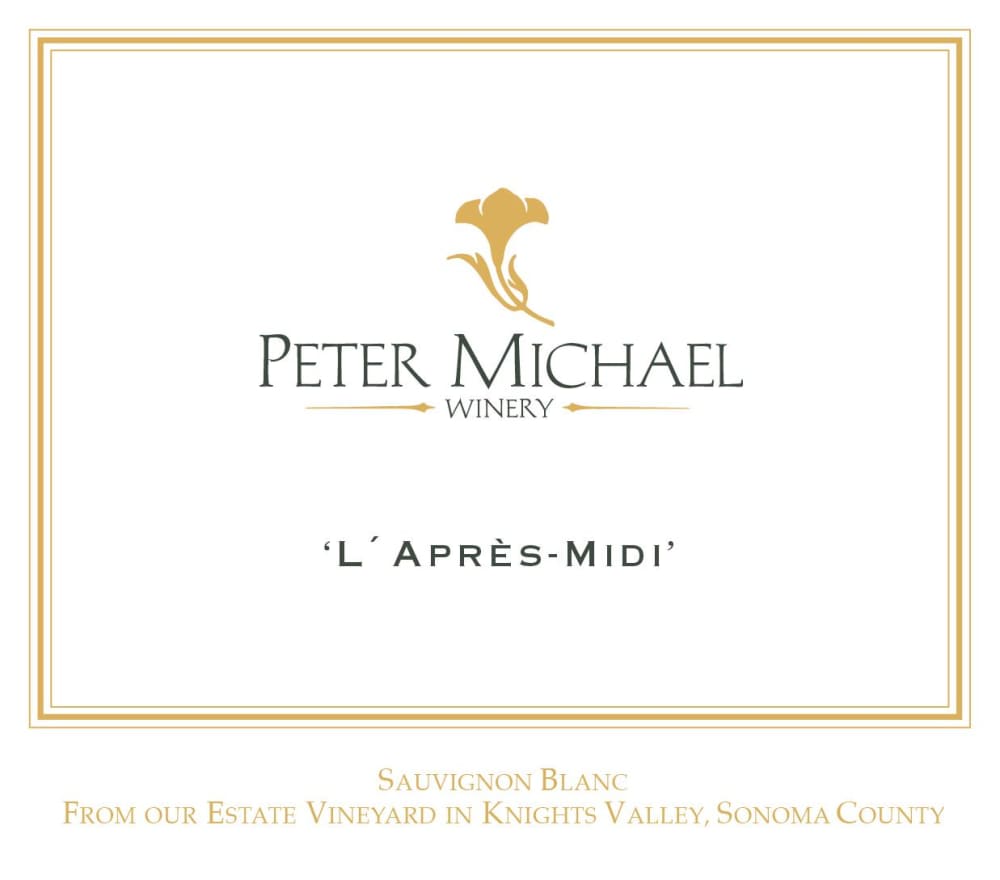
For those seeking a refreshing and low-calorie beverage, I recommend opting for Sauvignon Blanc. This crisp varietal typically contains around 120 calories per 5-ounce serving, making it a top choice for calorie-conscious individuals. Its zesty flavors and high acidity not only provide a delightful drinking experience but also pair well with a variety of dishes.
If you prefer something even lighter, consider Pinot Grigio. This wine generally has about 123 calories per 5-ounce glass. Its light body and fruity notes make it an excellent option for warm days or casual gatherings. Additionally, its versatility allows it to complement a wide range of cuisines.
Another contender is Riesling, particularly the dry styles, which can range from 120 to 130 calories per serving. While it offers a touch of sweetness, the dry versions maintain a lower calorie count while still delivering a satisfying taste profile. This option is perfect for those who enjoy a hint of fruitiness without the added calories.
When selecting a lighter beverage, always check the label, as calorie content can vary by producer. By making informed choices, you can enjoy your drink without the guilt while savoring the flavors of these delightful varietals.
Choosing Low-Calorie Options in Light-Hued Vintages
Opt for Sauvignon Blanc or Pinot Grigio if you’re looking for options with fewer calories. These varieties typically contain around 120-125 calories per 5-ounce serving, making them some of the leaner selections available.
Considerations for Selection
When selecting a lighter vintage, consider the following:
- Check the alcohol content; lower ABV often means fewer calories.
- Avoid sweet styles, as residual sugars increase caloric content.
- Look for dry varieties, which generally have a better caloric profile.
Serving Recommendations
Enjoying these selections chilled enhances the experience. Pair with lighter fare such as salads or seafood to complement the refreshing taste without adding excess calories.
Understanding Caloric Content in White Wines
For anyone watching their intake, it’s crucial to grasp how the caloric value in these beverages varies. Typically, a standard 5-ounce serving contains between 120 to 130 calories. However, certain varieties can be more accommodating to a calorie-conscious diet.
Factors Influencing Caloric Levels
Alcohol content plays a significant role in calorie count. Wines with lower alcohol percentages, generally around 8-10%, tend to have fewer calories. Additionally, residual sugar affects the overall caloric content. Opting for dry selections, which have less sugar, can significantly lower one’s caloric intake. For example, Sauvignon Blanc and Pinot Grigio often feature lower sweetness and thus lower caloric values.
Serving Size Matters
Portion control can substantially impact caloric consumption. Pouring a smaller glass can help manage intake without sacrificing enjoyment. Keeping track of serving sizes ensures you remain within your dietary goals while still savoring the experience of these delightful beverages.
Comparing Popular White Wine Varieties by Calories
Pinot Grigio stands out with the lowest caloric count among the most enjoyed varieties, averaging around 120 calories per 5-ounce serving. This makes it an excellent choice for those conscious of their caloric intake.
Sauvignon Blanc follows closely, typically containing about 125 calories per serving. Known for its crispness and acidity, it offers a refreshing option without significantly impacting daily caloric goals.
Chardonnay, while popular, carries a higher caloric content, averaging approximately 130-140 calories per glass, depending on its oak aging and residual sugar levels.
Riesling can vary more widely, with dry versions containing around 120 calories and sweeter styles reaching up to 150 calories. It’s crucial to check labels for specific details.
Here’s a quick comparison of calorie counts for these popular varieties:
| Wine Variety | Calories (per 5 oz) |
|---|---|
| Pinot Grigio | 120 |
| Sauvignon Blanc | 125 |
| Chardonnay | 130-140 |
| Riesling (dry) | 120 |
| Riesling (sweet) | 150 |
Selecting a lower-calorie option can help maintain a balanced diet while still enjoying a glass. Always consider the specific variety and its characteristics before indulging.