Chuck Furuya
For those exploring light-bodied varieties, expect an average range of 11% to 13.5% ABV. This spectrum applies to many options, allowing for enjoyable sipping without overwhelming intensity.
Classic selections such as Sauvignon Blanc and Pinot Grigio often fall within this bracket, providing crisp flavors and refreshing qualities. If you prefer something more robust, consider Chardonnay, which can occasionally reach up to 14% ABV, enhancing its complexity and richness.
When choosing a bottle, pay attention to the label. Regions like California and Australia may produce higher-alcohol versions, while traditional European styles often maintain lower levels. This can significantly influence your tasting experience and food pairings.
Alcohol Levels in Common Varietals
I find that typical ranges for these beverages usually lie between 11% and 14%. Certain styles, such as those influenced by warmer climates, may reach up to 15% or higher.
Here’s a breakdown of popular types:
| Type | Typical Range (%) |
|---|---|
| Chardonnay | 13-15 |
| Sauvignon Blanc | 11.5-13.5 |
| Riesling | 8-12.5 |
| Pinot Grigio | 11-13 |
| Gewürztraminer | 12-14 |
Choosing a specific variety depends on personal preference and occasion. Lighter options complement seafood and salads, while fuller-bodied selections pair well with richer dishes. Always check the label for precise measurements when selecting a bottle.
Typical Alcohol Levels in Various White Wine Types
Chardonnay typically ranges from 13% to 15% ABV, delivering a rich profile. Sauvignon Blanc usually sits between 12% and 14% ABV, offering a zesty and crisp taste. Riesling can vary widely, but it’s often found around 8% to 12% ABV, especially in sweeter styles.
Pinot Grigio generally contains about 12% to 13.5% ABV, making it a refreshing option. Gewürztraminer often has a similar range to Riesling, typically between 12% and 14% ABV, with an aromatic and floral character. Vermentino usually falls within 12.5% to 14.5% ABV, showcasing its Mediterranean roots.
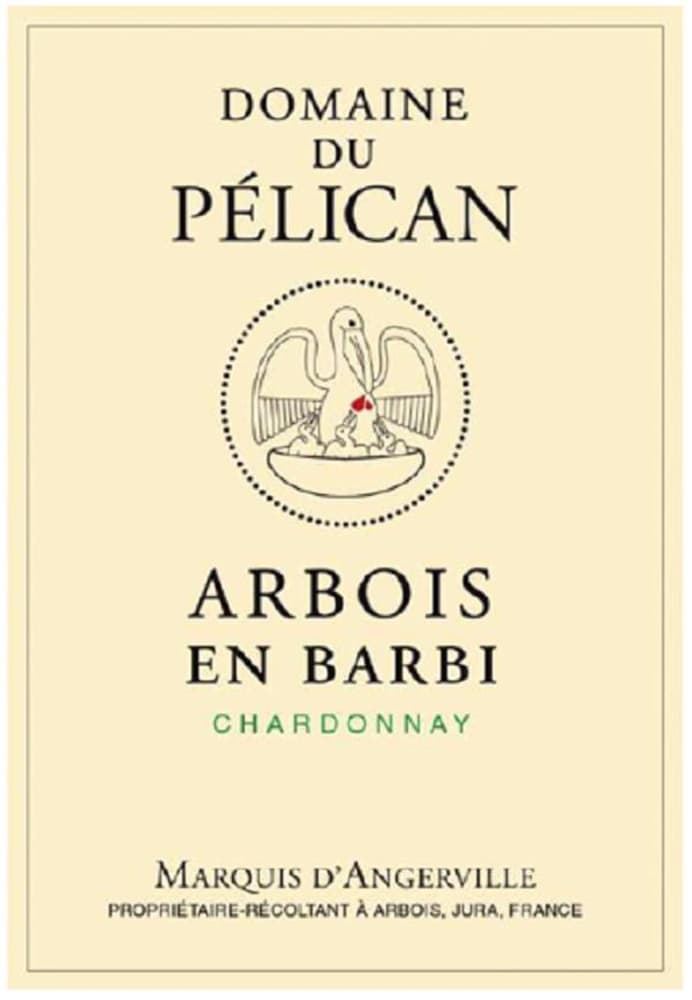
Here’s a quick reference for typical ABV levels:
- Chardonnay: 13% – 15%
- Sauvignon Blanc: 12% – 14%
- Riesling: 8% – 12%
- Pinot Grigio: 12% – 13.5%
- Gewürztraminer: 12% – 14%
- Vermentino: 12.5% – 14.5%
Understanding these typical ranges aids in selecting the right bottle for various occasions. Whether for pairing with food or enjoying solo, knowing the characteristics helps enhance the tasting experience.
Factors Influencing Alcohol Levels in White Wines
Temperature during fermentation plays a significant role in shaping the strength of the beverage. Higher temperatures can expedite yeast activity, leading to increased sugar conversion into ethanol. Maintaining optimal conditions is essential for achieving desired results.
Grape Variety
The choice of grape impacts the final strength. Varieties like Chardonnay and Sauvignon Blanc typically yield higher levels compared to grapes such as Riesling. Each type possesses unique sugar profiles, influencing fermentation outcomes and resulting potency.
Region and Terroir
Geographic location and environmental conditions contribute to sugar accumulation in grapes. Regions with warmer climates often produce fruit with elevated sugar content, resulting in stronger beverages. Soil composition, sunlight exposure, and rainfall patterns further affect the characteristics of the grapes.
Harvest timing is a critical factor. Grapes picked at peak ripeness possess higher sugar levels, leading to increased fermentation potential. Winemakers often monitor acidity and sugar levels closely to determine the optimal harvest date.
FAQ:
What is the average alcohol content of white wines?
The average alcohol content of most white wines typically ranges from 11% to 14% ABV (alcohol by volume). However, some lighter styles like Riesling can be around 8% to 10%, while fuller-bodied whites such as Chardonnay may reach up to 15% or higher. This variation is influenced by factors like the grape variety and the region in which the wine is produced.
How does the alcohol content affect the taste of white wine?
The alcohol content in white wine can significantly influence its flavor profile and mouthfeel. Higher alcohol levels often contribute to a fuller body and a warming sensation in the mouth. Conversely, wines with lower alcohol content may taste lighter and crisper, which can be particularly appealing in refreshing styles. The balance between alcohol and acidity is crucial for the overall enjoyment of the wine.
Are there any health implications associated with the alcohol content in white wines?
Yes, the alcohol content in white wines can have health implications. Moderate consumption of wine is often linked to certain health benefits, such as improved heart health. However, excessive drinking can lead to various health issues, including liver disease and addiction. It’s important for individuals to be mindful of their intake, especially considering the alcohol content of the wines they choose.
Do different regions produce white wines with varying alcohol contents?
Yes, different wine regions can produce white wines with varying alcohol contents due to climate, grape varieties, and winemaking practices. For example, warmer climates often result in grapes that have higher sugar levels, which can lead to wines with a higher alcohol percentage. Regions like California may produce bolder white wines compared to cooler climates like Germany, where the sweeter styles with lower alcohol content are more common.
How can I determine the alcohol content of a white wine?
The alcohol content of a white wine is typically indicated on the label, expressed as a percentage of alcohol by volume (ABV). If the label does not specify this information, you can often find it in online databases or on the winery’s website. Additionally, tasting notes and reviews may also provide insight into the wine’s characteristics, including its alcohol level. If you’re unsure, don’t hesitate to ask your local wine shop for recommendations.
What is the typical alcohol content range for white wines?
The alcohol content of most white wines generally falls between 11% and 14%. Some lighter varieties, like Pinot Grigio or Sauvignon Blanc, might be on the lower end, around 11% to 12.5%, while fuller-bodied wines, such as Chardonnay, can reach up to 14% or slightly higher. There are exceptions, of course, with some dessert wines containing higher alcohol levels, but the majority of table white wines stay within this range.
How does the alcohol content in white wine affect its taste?
The alcohol content in white wine can significantly influence its flavor profile and mouthfeel. Wines with higher alcohol levels often have a fuller body and may feel warmer or more robust on the palate. Conversely, lower alcohol wines tend to be crisper and more refreshing, which can enhance their acidity and fruitiness. This balance between alcohol and other components, like acidity and sweetness, plays a crucial role in the overall tasting experience of the wine.
Are there any health implications associated with the alcohol content of white wine?
Yes, there are several health implications related to the alcohol content in white wine. Moderate consumption is generally considered safe for most adults and can even have some benefits, such as potential cardiovascular support. However, excessive intake can lead to various health issues, including liver disease, addiction, and increased risk of certain cancers. It’s important for individuals to be aware of their consumption levels and consider their personal health conditions. Consulting with a healthcare professional can provide guidance tailored to individual needs.