Chuck Furuya

For those seeking a refined experience, I recommend exploring options labeled as non-sweet. These selections typically have minimal residual sugars, allowing the true essence of the grape to shine through. This aspect is crucial for appreciating the complexity and depth of flavors that dark varietals can offer.
When tasting, focus on the balance between acidity, tannins, and fruit characteristics. A well-crafted option will present a savory profile, often accompanied by notes of dark berries, spices, and earthy undertones. Pay attention to the finish; it should be clean and lingering, with no cloying sweetness to detract from the overall experience.
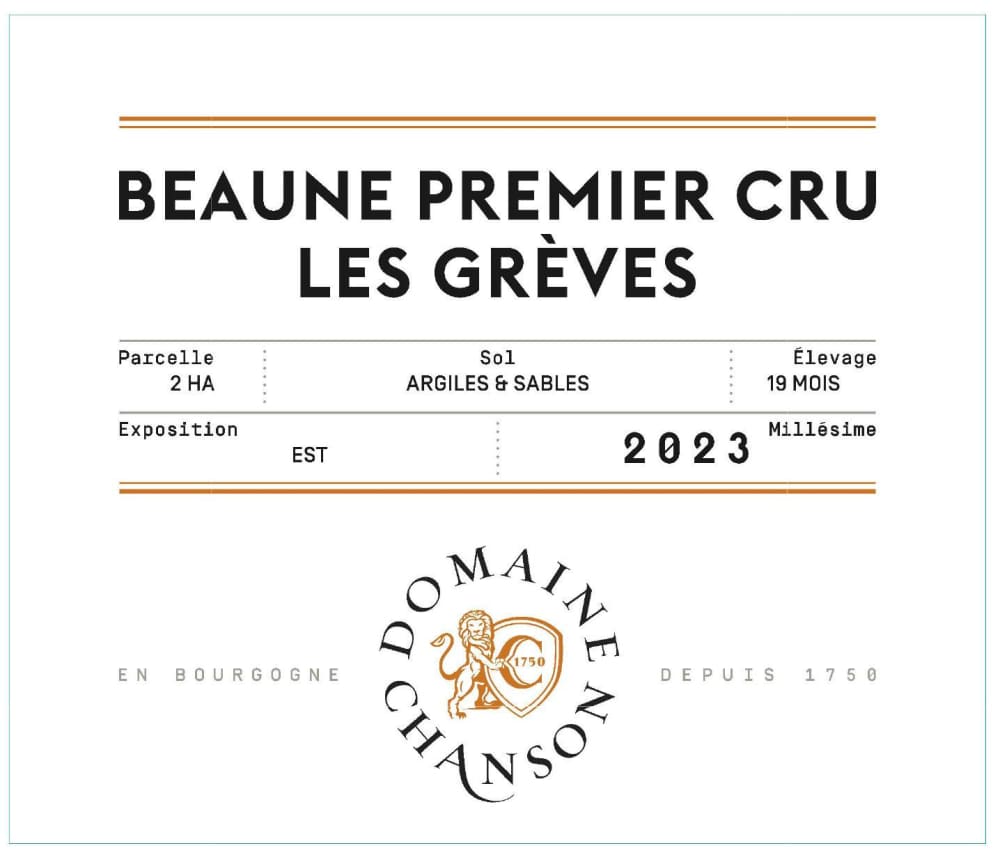
Consider regions known for producing these styles. For instance, wines from the Bordeaux region of France or certain Italian varietals like Sangiovese often exemplify this quality. Always check the label for terms such as “bone dry” or “low residual sugar” to ensure you’re selecting a bottle that aligns with your preference for non-sweet profiles.
Understanding the Definition of Dry in Wine Terminology
In my experience, the term used to describe the absence of residual sugar in fermented grape beverage signifies a more robust and less sweet flavor profile. This characteristic often leads to a greater emphasis on tannins and acidity, resulting in a well-structured drink. It’s essential to recognize how this quality interacts with various food pairings.
Here are specific traits I associate with this style:
| Characteristic | Description |
|---|---|
| Tannins | These compounds provide astringency and contribute to the mouthfeel, often found in varietals like Cabernet Sauvignon and Syrah. |
| Acidity | This element enhances freshness and can balance the richness of dishes, making it perfect for pairing with grilled meats and rich sauces. |
| Flavor Profile | Expect notes of dark fruits, spices, and earthiness, which can become more pronounced with age. |
In my tastings, I often find that this style complements foods high in fat or protein. For instance, a grilled steak paired with a full-bodied varietal enhances both the meal and the drink’s complexity. Understanding this terminology helps me navigate selections more effectively and appreciate the nuances each bottle offers.
How Dryness Affects Flavor Profiles in Red Wines
Choosing a less sweet option can dramatically influence the palate experience. In my tastings, I have noticed that wines with lower residual sugars often showcase more pronounced tannins, acidity, and complex flavor layers.
Flavor Complexity
A less sweet beverage typically allows the subtleties of various flavor components to shine through. I often detect notes of:
- Blackberry
- Cherry
- Plum
- Spice
- Herbal undertones
These elements become more vivid in less sugary options, creating a richer tasting experience.
Balance and Structure
The balance between acidity and tannin is crucial. Wines with minimal sweetness often have a more robust structure, providing a backbone that enhances the overall tasting profile. I appreciate how these characteristics can lead to:
- A longer finish
- Enhanced food pairing possibilities
- Greater aging potential
In my experience, less sugary selections often pair wonderfully with savory dishes, as the acidity cuts through richness and complements flavors without overwhelming them.
Exploring less sweet varieties has expanded my appreciation for the intricate nuances that come forward, revealing the true essence of the grape and terroir.
Identifying Dry Red Wines: Tips for Wine Selection
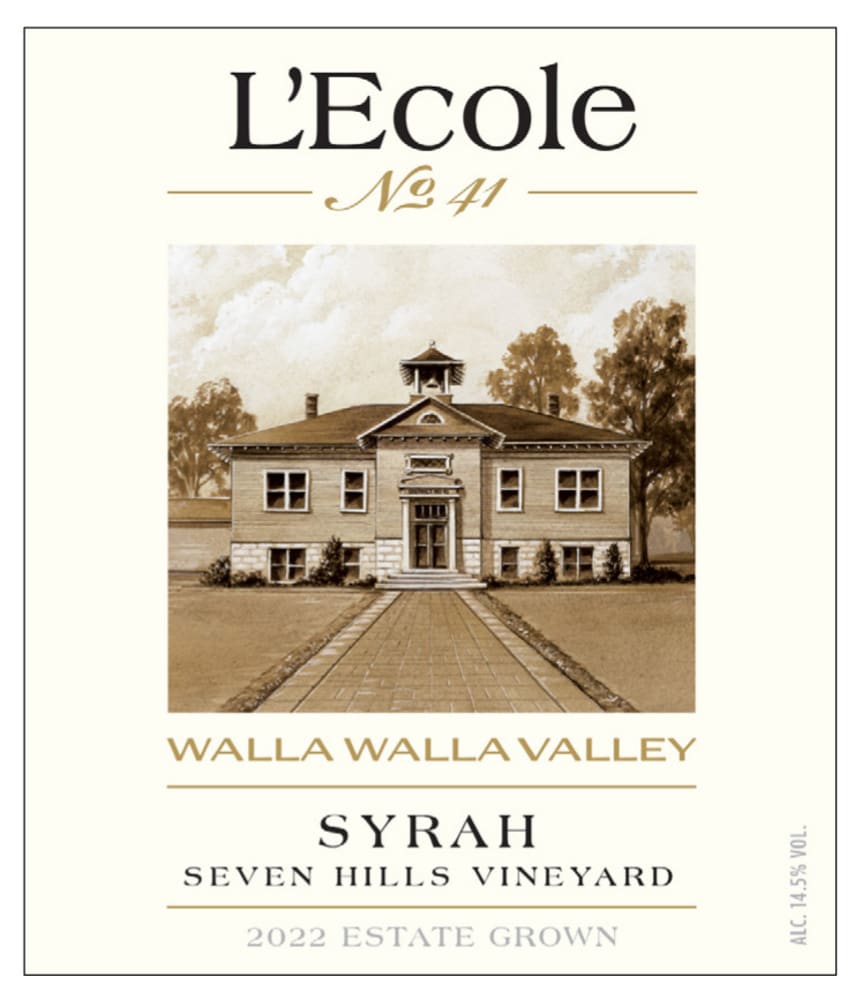
To select a wine with minimal sweetness, focus on varieties known for their lower residual sugar levels. Consider options like Cabernet Sauvignon, Merlot, or Syrah, which typically offer a more robust profile without the sugary notes.
Labels and Descriptions
Always check the label for terms like “brut” or “non-sweet.” Some producers clearly state the sweetness level, while others may use descriptors like “full-bodied” or “bold,” indicating less sugar. Additionally, the alcohol content can provide clues; wines with higher alcohol often have less residual sugar.
Tasting Techniques
When tasting, take note of the flavor balance. A smooth finish and astringency usually suggest a drier profile. Swirl the glass to release aromas and take a small sip, focusing on the aftertaste. If the sweetness lingers, it may not align with your preference. Engage your senses and trust your palate to guide you toward drier selections.
FAQ:
What does it mean when a red wine is described as “dry”?
When a red wine is described as “dry,” it means that there is little to no residual sugar left in the wine after fermentation. This results in a taste that is less sweet and more focused on the natural flavors of the grapes, such as tannins, acidity, and fruit characteristics. Dry wines can still have fruity notes but will not have the sweetness associated with off-dry or sweet wines.
How can I tell if a red wine is dry just by looking at the label?
While not all wine labels explicitly state whether a wine is dry, you can often find clues. Look for terms like “dry,” “brut,” or “no residual sugar” on the bottle. Additionally, wines labeled with specific grape varietals, such as Cabernet Sauvignon or Merlot, tend to be drier than those labeled as dessert wines. Checking the alcohol content can also be a hint, as higher alcohol levels often indicate a drier wine.
Are there specific red wine varieties that are typically dry?
Yes, certain red wine varieties are known for their dry characteristics. Popular examples include Cabernet Sauvignon, Merlot, Malbec, and Syrah/Shiraz. These wines usually have a higher tannin content and acidity, contributing to their dry profile. However, it’s important to note that the dryness can also depend on the winemaking process and the region where the wine is produced.
What are the taste differences between dry and sweet red wines?
Dry red wines typically have a more robust and complex flavor profile, focusing on tannins and acidity, which can give a more structured mouthfeel. They may exhibit flavors of dark fruits, spices, and earthy notes. In contrast, sweet red wines tend to emphasize fruity flavors and sweetness, often giving them a smoother, softer taste. This sweetness can sometimes mask the acidity and tannins found in dry wines.
Can a red wine be considered dry if it has fruity flavors?
Yes, a red wine can be considered dry even if it has prominent fruity flavors. The dryness is determined by the amount of residual sugar in the wine, not the presence of fruit flavors. A dry wine may have flavors of cherry, plum, or blackberry, but these flavors come from the grapes and not from added sugars. The balance of acidity and tannins in the wine plays a significant role in how the flavors are perceived.