Chuck Furuya

I can confirm that both types of beverages typically exhibit comparable levels of ethanol, usually ranging from 12% to 15% by volume. However, the exact concentration can fluctuate based on various factors such as grape variety, fermentation process, and regional regulations.
For those who prefer specific styles, it’s beneficial to check the label for precise information. Certain varieties may contain higher or lower levels, but the average remains consistent across the board. If you’re mindful of your intake, understanding these nuances can enhance your tasting experience.
In my experience, the perception of strength also varies; factors like tannin levels and sweetness can influence how we perceive the potency of each sip. Always consider these elements when making a choice, as they can significantly impact your enjoyment.
Do Red and White Varieties Possess Identical Alcohol Levels?
Generally, different types of grape beverages can exhibit similar levels of ethanol, typically ranging from 12% to 15% by volume. However, this isn’t a strict rule. Factors such as grape variety, fermentation process, and even regional regulations can lead to variations. For instance, a robust variety might contain more ethanol, while a lighter option may sit at the lower end of the spectrum.
Factors Influencing Alcohol Levels
Several elements contribute to the final ethanol concentration in a bottle. The ripeness of the grapes at harvest plays a critical role; overripe grapes yield higher sugar content, which translates into increased ethanol after fermentation. Additionally, winemaking techniques, such as extended maceration or specific yeast strains, can further impact the final product’s strength.
Comparison Table
| Type | Typical Alcohol Percentage |
|---|---|
| Cabernet Sauvignon | 13.5% – 15% |
| Chardonnay | 12% – 14% |
| Merlot | 13% – 14.5% |
| Pinot Grigio | 11.5% – 13% |
When selecting your drink, consider these percentages along with your personal preference for taste and strength. Exploring various options can reveal delightful surprises, regardless of the specific category you choose.
Understanding Alcohol Content in Wine
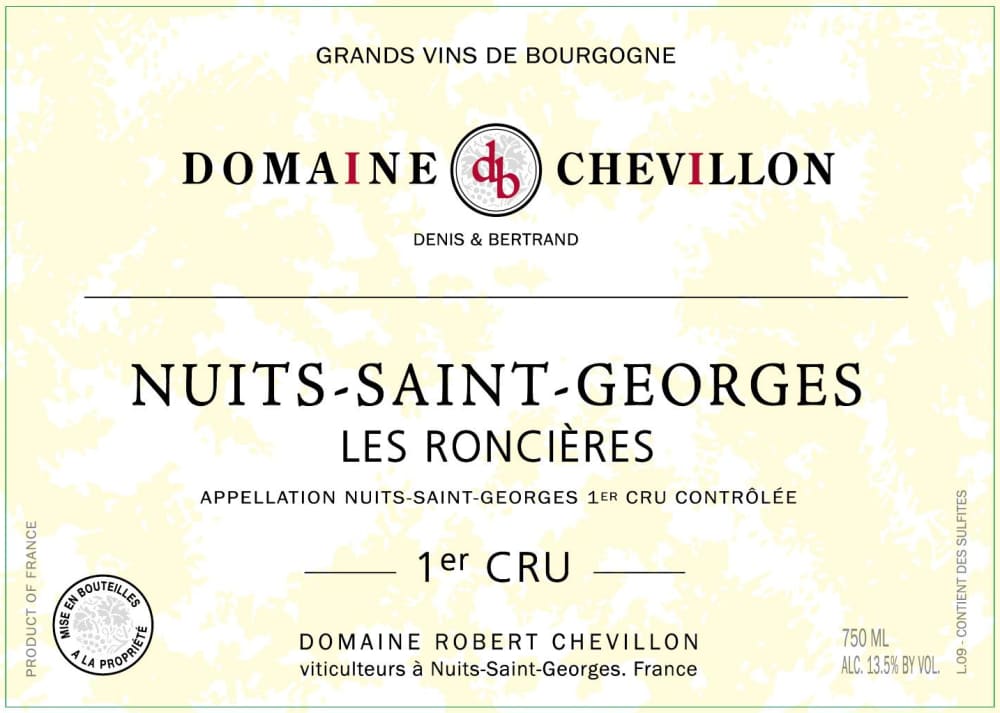
When selecting a bottle, I always check the percentage of ethanol displayed on the label. This figure typically ranges from 8% to 15% for most varieties, with some exceptions. Knowing the specifics can shape my tasting experience significantly.
Factors influencing this measurement include:
- Type of grapes used
- Region where the grapes are cultivated
- Fermentation techniques employed
- Ripeness of the fruit at harvest
Grapes with higher sugar levels generally yield beverages with elevated ethanol levels post-fermentation. For instance, grapes from warmer climates often exhibit increased sweetness, leading to stronger spirits. Additionally, winemaking practices can enhance this ratio; techniques such as extended fermentation or the use of specific yeast strains may play a role.
It’s also worth considering how this measurement affects food pairings. For example, beverages with elevated levels can complement richer dishes, while lighter options may pair better with delicate flavors.
In conclusion, understanding these nuances allows me to make more informed choices, enhancing my overall enjoyment of different options available in the marketplace.
Typical Alcohol Levels in Red Wine
Typically, the percentage of ethanol in this variety ranges from 12% to 15%. However, some selections can reach as high as 17% or more, particularly those made from grapes with higher sugar content.
Factors influencing these figures include grape variety, region of cultivation, and winemaking techniques. For instance, robust types, such as Zinfandel or Syrah, often exhibit elevated levels compared to lighter versions like Pinot Noir.
During fermentation, the sugar present in the fruit converts to alcohol. Consequently, a higher sugar concentration at harvest can lead to a higher final percentage. Warm climates, where grapes achieve optimal ripeness, also contribute to increased ethanol proportions.
When selecting a bottle, I recommend checking the label for the specific percentage, as this can guide pairing with food or understanding personal tolerance levels. Understanding the typical range can enhance the enjoyment of various selections while ensuring responsible consumption.
Typical Alcohol Levels in White Wine
Typically, the alcoholic strength of light varietals ranges from 11% to 13.5% by volume. These include popular choices such as Sauvignon Blanc and Pinot Grigio. On the other hand, fuller-bodied selections, like Chardonnay, can reach levels between 13.5% and 15%. This variance stems from factors such as grape ripeness, fermentation processes, and regional climate conditions.
For those seeking lower percentages, consider options labeled as “low-alcohol” or “light.” These can contain around 8% to 10% alcohol, appealing to drinkers looking for a gentler experience. Conversely, dessert styles, such as late harvest or ice wines, can exceed 14% due to higher sugar concentrations that convert to alcohol during fermentation.
When choosing a bottle, always check the label for precise data. Understanding these levels helps in making informed decisions, whether for a casual meal or a special occasion. Adjusting personal preferences based on the strength can enhance enjoyment and overall experience. Always consume responsibly, taking into account the effects of different strengths on your body and mood.