
 Chuck Furuya
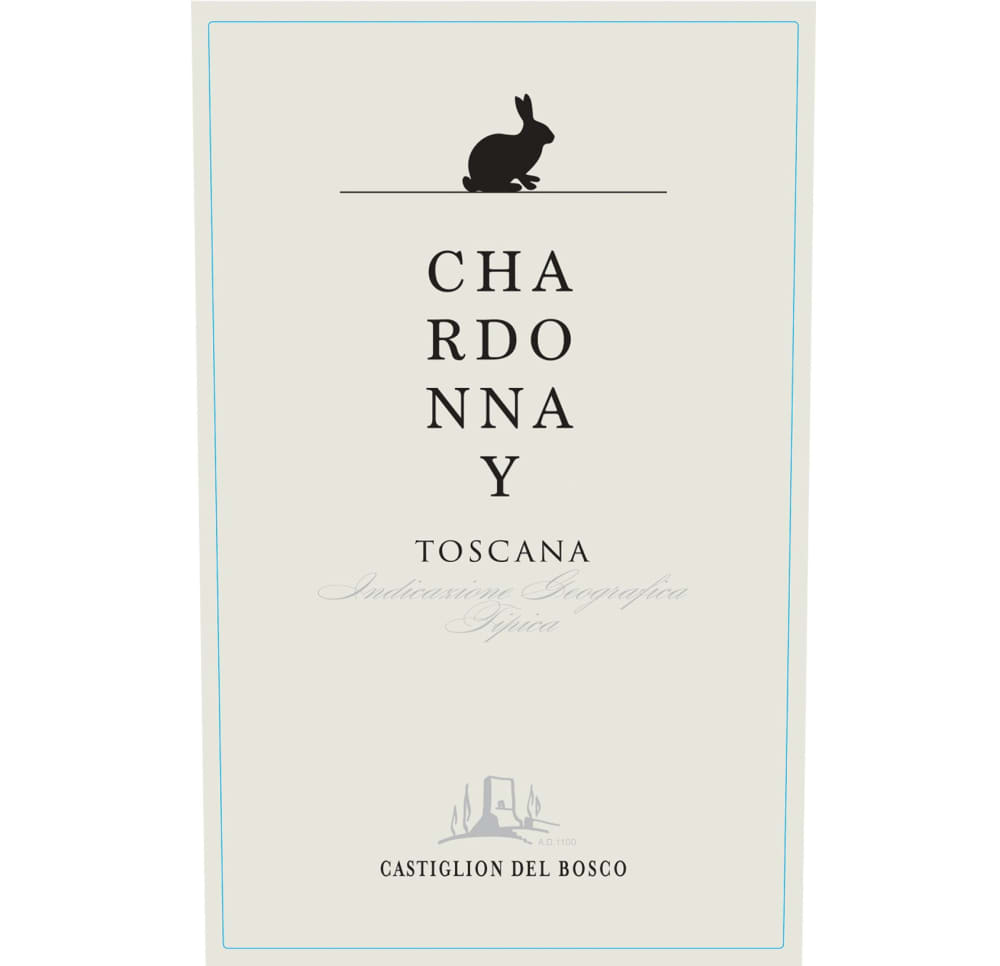
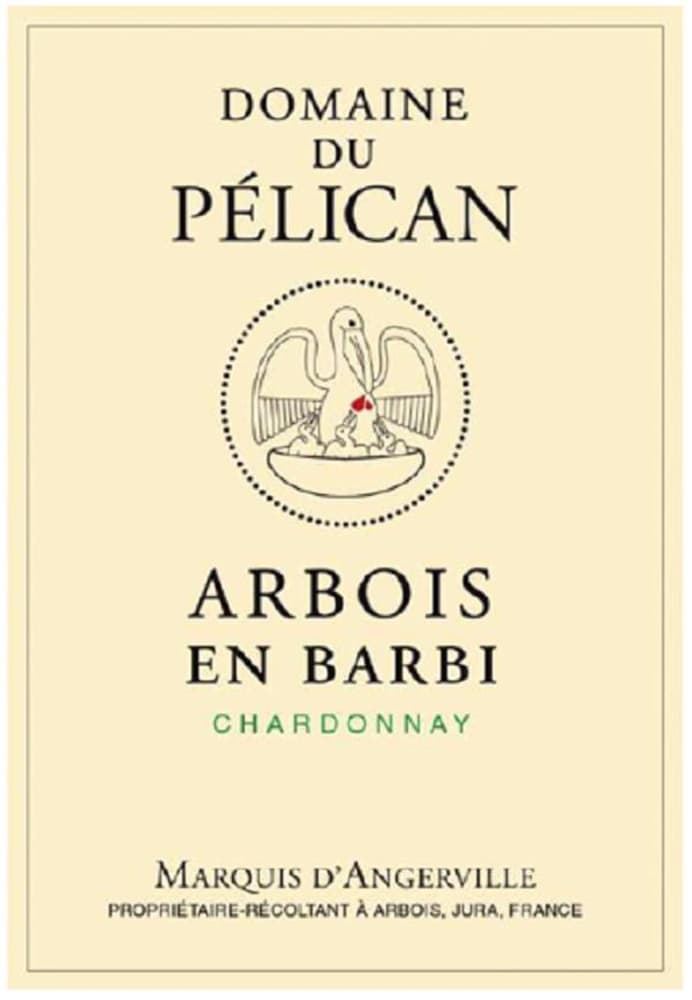
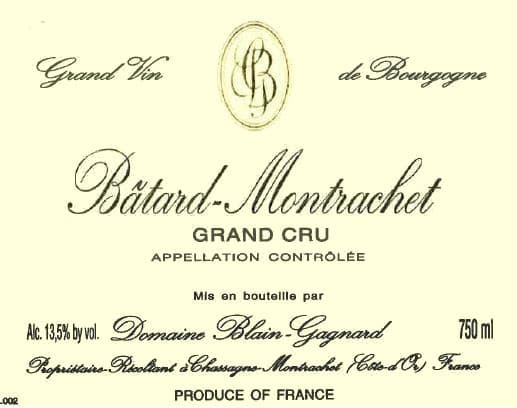
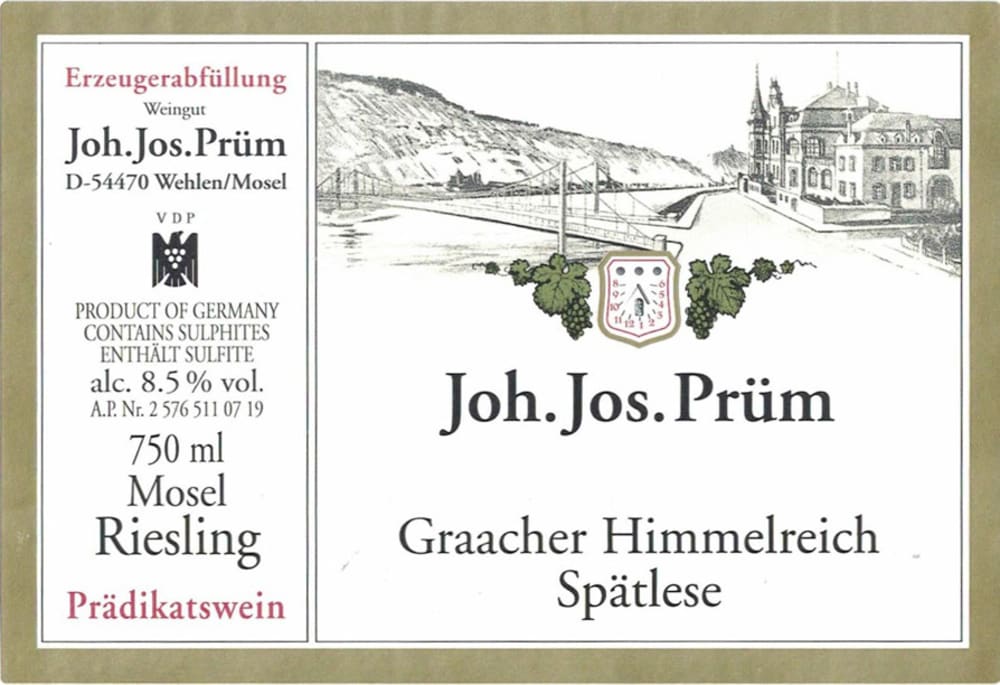
For anyone keen on understanding the composition of this delightful beverage, the primary elements include grapes, yeast, and sometimes specific additives. Grapes are the star of the show, typically featuring varieties like Chardonnay, Sauvignon Blanc, and Riesling. Each grape type brings its own flavor profile, acidity, and aroma compounds, shaping the final product.
Yeast plays a crucial role in the fermentation process, converting sugars present in the grape juice into alcohol. Different yeast strains can influence the taste and texture, contributing to the complexity of the final result. Additionally, some winemakers choose to incorporate sulfites to preserve freshness and prevent unwanted fermentation.
Acidity is another key aspect that defines the character of this drink. Tartaric and malic acids are naturally found in grapes, providing a crisp and refreshing quality. Understanding these components allows me to appreciate the nuances in flavor and aroma, enhancing my overall tasting experience.
Types of Grapes Used in Wine Production
Choosing the right grape variety is key for crafting quality beverages. Here’s a rundown of notable cultivars commonly employed in the production process:
- Chardonnay: This versatile grape thrives in various climates, yielding flavors ranging from citrus to tropical fruits. Its adaptability makes it a favorite among producers.
- Sauvignon Blanc: Known for its crisp acidity and herbaceous notes, this varietal often showcases flavors such as green apple and lime, with a distinctive grassy aroma.
- Riesling: A highly aromatic choice, Riesling ranges from dry to sweet. Its floral and fruity characteristics, often with hints of peach and honey, make it a delightful option.
- Pinot Grigio: Renowned for its light body and refreshing qualities, this grape offers notes of pear and apple, often with a mineral edge.
- Gewürztraminer: A distinctive grape with a unique spice profile, it often features flavors of lychee, rose, and ginger, appealing to those seeking something different.
Less Common Varieties
- Semillon: Frequently blended with Sauvignon Blanc, it brings richness and body, often imparting a waxy texture and flavors of citrus and stone fruits.
- Viognier: With its aromatic profile, this varietal offers notes of apricot and honeysuckle, adding complexity to blends.
- Furmint: A lesser-known grape, particularly from Hungary, known for its high acidity and ability to produce both dry and sweet styles.
Understanding these varieties enhances appreciation and selection. Each grape offers unique characteristics, influencing the final profile of the beverage. Experimenting with different options can lead to discovering personal favorites.
The Role of Yeast in Fermentation
Choosing the right yeast strain significantly impacts flavor and aroma profiles in fermented beverages. I prefer using Saccharomyces cerevisiae for its efficiency in converting sugars into alcohol and carbon dioxide, while also imparting desirable characteristics to the final product.
Temperature during fermentation plays a crucial role in yeast activity. I aim for cooler temperatures, typically between 55°F to 65°F (13°C to 18°C), which allows for a slow fermentation process, enhancing the development of complex flavors. Maintaining this range helps avoid undesirable byproducts that can arise from higher temperatures.
Oxygen management is another key factor. Initially, I provide some oxygen to promote healthy yeast growth. However, as fermentation progresses, I limit oxygen exposure to prevent oxidation and off-flavors. This balance is vital for the integrity of the final beverage.
Understanding the fermentation timeline is essential. I monitor the specific gravity regularly to determine when fermentation is complete. This ensures that residual sugars are at the desired levels, influencing sweetness and overall taste.
Finally, post-fermentation practices, such as racking and aging, allow me to refine the flavors further. The yeast cells, or lees, can contribute to a creamy texture and complexity when left in contact with the liquid for an extended period.
Impact of Water Quality on Wine Flavor
Choosing high-quality water is crucial for optimal flavor development in vinification. Water should be free from contaminants and possess balanced mineral content. Pure, soft water enhances the clarity and finesse of the final product, allowing the grape characteristics to shine through.
Mineral content can significantly influence taste. For instance, magnesium can add complexity, while calcium helps with stability during fermentation. High levels of sulfates may impart a dry sensation, while chlorides enhance mouthfeel. Therefore, testing water for mineral composition before usage is advisable.
Temperature also plays a role in extraction processes. Cold water helps maintain the freshness of the grape’s natural acidity, while warmer water may extract more tannins, potentially leading to an unbalanced flavor profile. I recommend using water at around 15-20°C for optimal results during fermentation.
It’s important to note that the source of water can impact flavor perception. For example, spring water sourced from limestone regions may impart unique terroir attributes. Regularly sampling and analyzing water quality ensures consistency and can enhance the overall sensory experience of the beverage.
In conclusion, prioritizing water quality and understanding its components will undoubtedly influence the character and appeal of the finished product. By carefully selecting and treating water, I can elevate the final expression of the grapes used in production.
Understanding the Use of Sulfites in White Wine
Sulfites serve a significant purpose in the production of this beverage, primarily acting as preservatives. I often find that these compounds help prevent oxidation, which can spoil flavor and aroma profiles. Additionally, they inhibit the growth of unwanted bacteria and wild yeast during fermentation.
The legal limit for sulfites in many countries is around 350 parts per million (ppm). However, most winemakers keep levels considerably lower, typically between 50 to 150 ppm. I have noticed that some producers label their products as “sulfite-free,” although this usually means they contain less than 10 ppm, as complete absence is quite rare.
| Function | Details |
|---|---|
| Preservation | Prevents oxidation and spoilage, extending shelf life. |
| Stabilization | Inhibits the growth of undesirable microorganisms. |
| Flavor Protection | Maintains the intended flavor profile by preventing degradation. |
Some individuals may be sensitive to sulfites, leading to allergic reactions or headaches. I recommend looking for alternatives, such as organic varieties, which typically use fewer sulfites or natural methods for preservation. Understanding these aspects can greatly enhance the enjoyment and selection of this delightful drink.
How Oak Barrels Influence White Wine Ingredients
Utilizing oak barrels during aging significantly enhances the characteristics of fermented grape juice. The wood contributes unique flavors, aromas, and textures, which elevate the overall profile of the beverage.
Flavor Contribution
- Vanilla: The toasting process of barrels introduces notes of vanilla, a sought-after trait in many varieties.
- Spice: Toasting also imparts spices like clove and nutmeg, adding complexity.
- Coconut: Some barrels can lend a subtle coconut flavor, particularly those made from American oak.
Mouthfeel and Texture
- Micro-oxygenation: Oak allows small amounts of oxygen to interact with the liquid, softening tannins and enhancing mouthfeel.
- Creaminess: The integration of oak can provide a creamy texture, particularly beneficial for varietals like Chardonnay.
Choosing the right barrel type and toasting level is crucial. Light toasting can yield delicate flavors, while heavy toasting results in more pronounced characteristics. Experimentation with various barrel treatments can lead to tailored outcomes that resonate with specific styles of fermented grape beverages.
The Importance of Acid Levels in White Wine
Maintaining proper acid levels significantly influences the overall taste profile of this beverage. The balance between acidity and sweetness is crucial for achieving freshness and complexity. Typically, a range of 0.6% to 0.9% total acidity is desirable, but this can vary depending on the grape variety and regional climate.
Types of Acids
Malic and tartaric acids are the primary contributors to the tartness found in these beverages. Malic acid, common in green apples, provides sharpness, while tartaric acid adds stability and structure. As fermentation progresses, malolactic conversion can soften the acidity, offering a creamier mouthfeel, particularly in varieties like Chardonnay. Monitoring these acids during fermentation is vital for achieving the desired flavor profile.
Influence on Pairing and Aging
Higher acidity enhances food pairing options, cutting through rich dishes and complementing lighter fare. It also plays a role in aging potential. Wines with elevated acidity tend to age more gracefully, allowing flavors to evolve over time without losing balance. Analyzing acid levels post-fermentation can guide decisions on bottling and aging strategies, ensuring optimal flavor development.
Natural vs. Added Ingredients in White Wine
Choosing between natural and added components significantly impacts the characteristics of this beverage. I prefer wines where minimal additives are used, allowing the true essence of the grapes to shine through. Natural elements like grape juice, indigenous yeasts, and minimal sulfur contribute to a purer flavor profile and showcase the terroir.
On the other hand, some producers incorporate additional substances such as enzymes or fining agents to enhance clarity and stability. While these can improve consistency, they may mask unique flavors. I often find that wines with fewer additives offer a more authentic tasting experience.
Sulfites, although commonly used for preservation, can be present in both types but are more prevalent in those with added ingredients. Understanding the balance between natural and synthetic elements helps me appreciate the craftsmanship behind each bottle. I recommend exploring options from producers who prioritize organic or biodynamic practices for a more genuine experience.
Influence of Terroir on Wine Ingredients
Identifying the specific characteristics of terroir is crucial for understanding flavor profiles in fermented beverages. Factors like climate, soil composition, and topography directly affect grape cultivation, which in turn influences the final product. Regions with distinct seasonal variations provide grapes with unique acidity and sugar levels, leading to diverse taste experiences.
Soil types play a pivotal role in nutrient absorption, impacting the grape’s mineral content. For instance, limestone-rich soils often yield wines with enhanced minerality and crispness, while clay soils can result in fuller-bodied options. I have noted that vineyards situated on slopes tend to benefit from better drainage and sunlight exposure, further elevating the quality of the harvest.
Microclimates, which are small areas with specific climatic conditions, can also dramatically alter the characteristics of grapes. Areas with cooler temperatures may produce wines with higher acidity and lower alcohol content, making them more refreshing. Conversely, warmer climates typically yield riper grapes with bolder flavors.
| Terroir Component | Impact on Grapes |
|---|---|
| Climate | Affects sugar and acidity levels |
| Soil Composition | Influences mineral content and drainage |
| Topography | Impacts sunlight exposure and air circulation |
| Microclimates | Creates variations in flavor and aroma |
Understanding these factors helps in predicting flavor profiles and suitability for aging. Exploring terroir enables winemakers to craft beverages that reflect the uniqueness of their region, providing a rich sensory experience.
Common Flavor Additives and Their Effects
In my experience, flavor enhancers significantly shape the sensory profile of a beverage. Here are some common additives I often encounter and their impacts:
- Sugar: Frequently used to balance acidity, sugar can enhance sweetness and body. It can also contribute to a smoother mouthfeel.
- Acids: Additional tartaric or citric acids may be introduced to elevate freshness. This can enhance the crispness and overall liveliness.
- Oak Chips: Instead of traditional barrels, oak chips can impart flavors of vanilla, spice, or toast. This method is more economical and allows for precise control over flavor integration.
- Fining Agents: Substances like gelatin or bentonite are utilized to clarify the final product. They can also subtly influence texture and mouthfeel.
- Botrytis Cinerea: This fungus, known as noble rot, can be intentionally introduced to create rich, complex flavors. It enhances sweetness and adds layers of honey and apricot notes.
- Flavoring Extracts: Natural extracts, such as elderflower or citrus, can be added for specific flavor profiles. These can create unique and intriguing taste experiences.
Understanding these additives and their roles allows for more informed choices when selecting or crafting a beverage. Each additive can transform the character, enhancing or altering the overall experience.
FAQ:
What are the primary grapes used in white wine production?
The main grapes used in white wine are Chardonnay, Sauvignon Blanc, and Riesling. Chardonnay is known for its versatility, producing wines that range from crisp and mineral to rich and oaky. Sauvignon Blanc typically offers refreshing acidity and herbal notes, while Riesling is often aromatic and can vary from dry to sweet, making each grape unique in flavor profiles.
How does the fermentation process differ for white wine compared to red wine?
White wine fermentation primarily involves pressing the grapes to separate the juice from the skins before fermentation, which keeps the color light. The juice is then fermented at cooler temperatures, preserving the fruity and floral aromas. In contrast, red wine fermentation includes the grape skins during the process, allowing for more tannins and color extraction. This fundamental difference affects the final taste and texture of the wines.
Are there any additives commonly found in white wine?
Yes, several additives can be present in white wine. Commonly used additives include sulfur dioxide, which acts as a preservative to prevent oxidation and spoilage. Other additives may include fining agents like bentonite or egg whites, which help clarify the wine by removing unwanted particles. Some winemakers may also use acidifiers to balance the wine’s acidity, especially in warmer climates.
What role does terroir play in the flavor profile of white wine?
Terroir plays a significant role in shaping the flavor profile of white wine. It encompasses the specific environment where the grapes are grown, including soil composition, climate, and topography. These elements influence how grapes develop their flavors and aromas. For instance, wines from cooler regions may exhibit higher acidity and more delicate fruit flavors, while those from warmer areas might present riper, bolder characteristics. Each region’s unique terroir contributes to the distinctiveness of its wines.
How do different aging techniques affect the taste of white wine?
Different aging techniques can dramatically influence the taste of white wine. Wines aged in stainless steel tend to retain freshness and fruitiness, showcasing the grape’s natural flavors. In contrast, those aged in oak barrels often develop additional complexity, including notes of vanilla, spice, and toast. The duration of aging also matters; longer aging can soften acidity and integrate flavors, resulting in a more rounded wine. Ultimately, the choice of aging technique is crucial in determining the final character of the wine.
What are the primary components used in the production of white wine?
The main ingredients in white wine include grapes, yeast, and sometimes additional additives such as sulfites. The type of grapes used is critical, as different varieties contribute unique flavors and characteristics to the wine. Common white wine grapes include Chardonnay, Sauvignon Blanc, and Riesling. Yeast is necessary for fermentation, converting the sugars in the grapes into alcohol. In some cases, winemakers may also add sulfites to preserve the wine and prevent oxidation.
How does the grape variety affect the flavor of white wine?
The grape variety has a significant impact on the flavor profile of white wine. Each grape type carries its own unique set of aromas and tastes. For example, Chardonnay can range from buttery and oaky to crisp and mineral, depending on its growing conditions and winemaking process. Sauvignon Blanc is typically known for its zesty acidity and citrus notes, while Riesling often presents floral and fruity characteristics. The climate, soil, and vineyard practices also influence how the grape’s flavors develop, making the choice of grape a key factor in the final wine’s taste.
Are there any additives used in white wine, and what purpose do they serve?
Yes, there are several additives that may be used in the production of white wine. One of the most common is sulfites, which act as preservatives to prevent spoilage and oxidation. Other additives can include fining agents, which help clear the wine and improve clarity by removing unwanted particles. Some winemakers might also use tartaric acid to adjust acidity levels or enzymes to enhance fermentation. While many of these additives are standard in the industry, their use can vary significantly depending on the winemaker’s philosophy and the style of wine being produced.


