
 Chuck Furuya
In many cases, introducing oxygen to a chilled glass of white can enhance its aroma and flavor profile. This practice is particularly beneficial for fuller-bodied varieties, which often possess complex notes that might be muted without some exposure to air.
Research indicates that allowing these wines to breathe for approximately 20 to 30 minutes can lead to a noticeable improvement in taste. The oxidation process helps to soften any harsh edges and brings forward subtle undertones that might otherwise remain hidden. It’s akin to giving the wine a moment to expand and express itself fully.
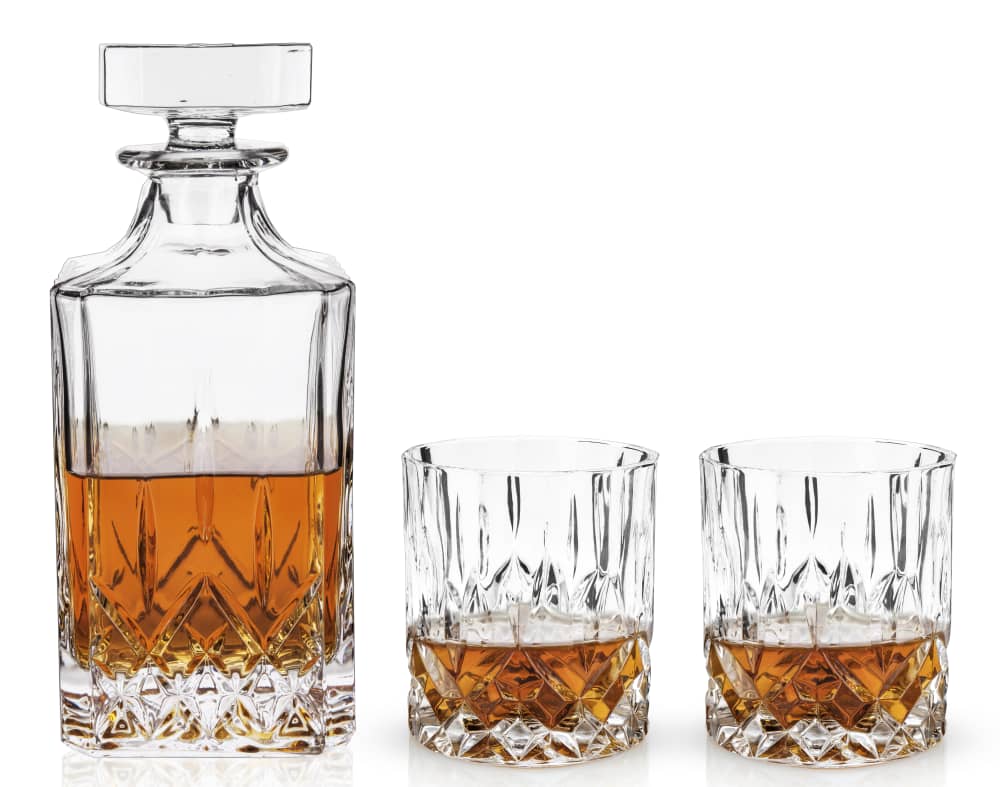
For those who enjoy experimenting with different vintages, a simple decanting technique can reveal layers of character in the wine. Pouring the liquid into a decanter or even a wide glass facilitates this interaction with the surrounding air, allowing the drinker to appreciate the intricacies of each pour.
Should You Use an Aerator for White Wine
In many cases, employing an aerator enhances the drinking experience of lighter varieties. This tool introduces oxygen, which can soften the flavors and aromas, making them more pronounced. For specific types, such as Sauvignon Blanc or Chardonnay, exposing them to air can reveal their full potential.
Timing Matters
Allowing certain selections to breathe for a short period prior to serving is beneficial. Pouring a glass and letting it sit for around 10-15 minutes can significantly improve its characteristics. This approach is particularly advantageous for fuller-bodied options, where the complexity can be unlocked through slight oxidation.
Temperature Considerations
Serving temperature plays a crucial role in the perception of flavor. Keeping the beverage chilled while allowing it to interact with air can create a delightful balance. Aim for temperatures between 45°F and 55°F, which allow both freshness and subtle intricacies to shine through. Experimenting with different chilling times while incorporating aeration can lead to a more enjoyable tasting experience.
Understanding the Purpose of Aeration in White Wine
Aeration enhances the flavor profile of certain white varietals, allowing them to express their characteristics more fully. This process introduces oxygen, which can soften tannins and release volatile compounds. For aromatic whites like Sauvignon Blanc or Gewürztraminer, exposure to air can amplify fruity and floral notes, making the tasting experience more enjoyable.
When dealing with fuller-bodied whites, such as Chardonnay, decanting can reveal more complexity. The oxidation process helps in mellowing the acidity, creating a smoother mouthfeel. In my experience, allowing these wines to breathe for a short period often results in a more balanced palate.
Temperature plays a significant role as well; serving whites at optimal temperatures can influence their aromatics. Slightly warmer temperatures can enhance the expression of flavors, while aeration complements this effect by promoting the release of esters and phenolics. A brief exposure to air can elevate the overall tasting experience.
For delicate whites, caution is advised. Overexposure can lead to the loss of fresh, crisp qualities. A gentle swirl in the glass may suffice, allowing just enough interaction with the environment without compromising the wine’s integrity.
Lastly, personal preference matters. Experimenting with different aeration techniques can yield varying results. Observing how a specific bottle responds to oxygen can guide future selections and serving methods. In essence, understanding the nuances of aeration can greatly enhance the enjoyment of white wines.
How Aeration Affects Aromas and Flavors in White Wine
Introducing exposure to oxygen enhances the aromatic profile and taste of certain varietals. For instance, aromatic whites like Sauvignon Blanc and Riesling benefit significantly from this process. The interaction with air can elevate floral and fruity notes, making them more pronounced.
Impact on Aromatic Compounds
The volatile compounds in white varietals, such as esters and terpenes, react positively with oxygen. This interaction helps in releasing trapped aromas, creating a more expressive bouquet. A glass of Chardonnay, for example, may reveal layers of citrus, stone fruit, and buttery notes that are initially subdued.
Flavor Development
Oxygen exposure also softens acidity and tannins, resulting in a smoother mouthfeel. A young Pinot Grigio might present sharp acidity, but allowing it to breathe can lead to a more balanced taste, enhancing the creamy texture and rounding out sharp edges. This transformation allows for a more enjoyable drinking experience.
Experimentation with different exposure times can yield varied results, so tasting at intervals can provide insights into how flavors evolve. Engaging with this technique can turn an ordinary glass into an extraordinary experience.
Types of Aerators Suitable for White Wine
Investing in a quality aeration device can enhance the tasting experience. Here are the most effective types tailored for lighter varietals:
- Pour-Through Aerators: These compact tools attach to the bottle’s neck, allowing wine to be aerated as it pours. Ideal for quick serving and suitable for various white wines.
- Decanter Aerators: A decanter with built-in aeration features promotes maximum exposure to air. This method is perfect for fuller-bodied whites, revealing their complexity over a longer period.
- Handheld Aerators: Designed for immediate use, these devices can be held over a glass while pouring. They are convenient for tasting events, facilitating instant aeration for multiple pours.
- Electric Aerators: These battery-operated gadgets pump air into the wine, ensuring consistent aeration with minimal effort. They are particularly useful for larger gatherings.
Choosing the right type depends on the occasion, the specific white varietal being served, and personal preferences regarding convenience and presentation. Each option delivers unique benefits that can enhance the aromatic profile and flavor dynamics of the selected beverage.
When to Aerate White Wine: Timing Matters
Optimal moments for aeration are critical. Here’s how timing influences the experience:
- Before Serving: Allowing a few minutes of exposure to air before pouring enhances aromas significantly. This is particularly effective for fuller-bodied varieties like Chardonnay.
- During Temperature Adjustment: Chilling a bottle can mute flavors. Pouring into a decanter at a slightly warmer temperature provides an opportunity for the wine to breathe and express more complexity.
- With Food Pairing: Aerating when paired with rich dishes can soften acidity and elevate the overall taste. For instance, a crisp Sauvignon Blanc can benefit from brief exposure when served alongside seafood.
- After Opening: Bottles that have been open for a few hours may require additional aeration. The evolution of flavors can be remarkable, especially in aged whites.
Each scenario can enhance the tasting experience, making the timing of aeration a key factor in enjoyment.
Identifying White Wines That Benefit from Aeration
Some varieties truly shine after exposure to air. Not all whites require this treatment; however, specific types can reveal their best characteristics through this process.
Varietals to Consider
- Chardonnay: Particularly oaked versions. The richness and buttery notes enhance with aeration.
- Sauvignon Blanc: Especially those with pronounced herbaceous qualities. Airing can soften sharp edges and bring out fruitiness.
- Viognier: Known for its floral and stone fruit notes, this grape benefits from aeration to enhance aromatic complexity.
- Roussanne: This varietal develops a deeper profile, showcasing its honey and herbal undertones after being exposed to air.
Indicators of Potential Benefit
- Presence of oak aging, which often lends itself to improved texture and flavor depth.
- High acidity levels that may mellow and balance with time.
- Complex aromatic profiles that can evolve and develop with air exposure.
Testing different wines can be an enlightening experience. Pouring a glass and allowing it to breathe for a short period provides insights into how aeration affects each individual varietal. Enjoying the transformation can enhance appreciation for the subtleties in flavor and aroma that emerge.
Step-by-Step Guide to Aerating White Wine
Begin by selecting a suitable vessel. A glass decanter or a wide-bowled wine glass allows maximum exposure to air, enhancing the experience.
1. Pouring Technique
Pour the liquid into the chosen container. Aim for a height of about 6 inches to create splashes that increase oxygen interaction. This technique promotes quicker aeration.
2. Time Matters
Let the liquid breathe. Allow it to sit in the decanter or glass for at least 15-30 minutes. For some varieties, extending this period to an hour may yield better results, as it develops the flavors and aromas further.
3. Swirling Method
Gently swirl the liquid in the glass or decanter. This motion encourages additional contact with air, enhancing the aromatic profile. Swirling should be done cautiously to prevent spills.
4. Tasting for Progress
Sample the liquid periodically during the aeration process. Pay attention to how the aromas and flavors evolve over time. This personal evaluation helps determine the optimal duration for your specific selection.
5. Serving
Once satisfied with the aeration, pour the liquid into clean glasses, ensuring to leave sediment behind if present. Serve chilled, especially for varieties that are typically enjoyed at lower temperatures.
| Step | Action | Time |
|---|---|---|
| 1 | Pour into vessel | Immediate |
| 2 | Let breathe | 15-30 minutes (up to 1 hour for some) |
| 3 | Swirl gently | During breathing |
| 4 | Taste periodically | Throughout aeration |
| 5 | Serve | Once satisfied |


