
 Chuck Furuya

If you’re seeking a truly crisp and refreshing option, consider a Sauvignon Blanc from regions like Marlborough, New Zealand. This variety is celebrated for its zesty acidity and vibrant grapefruit notes, making it an excellent choice for those who appreciate a clean finish.
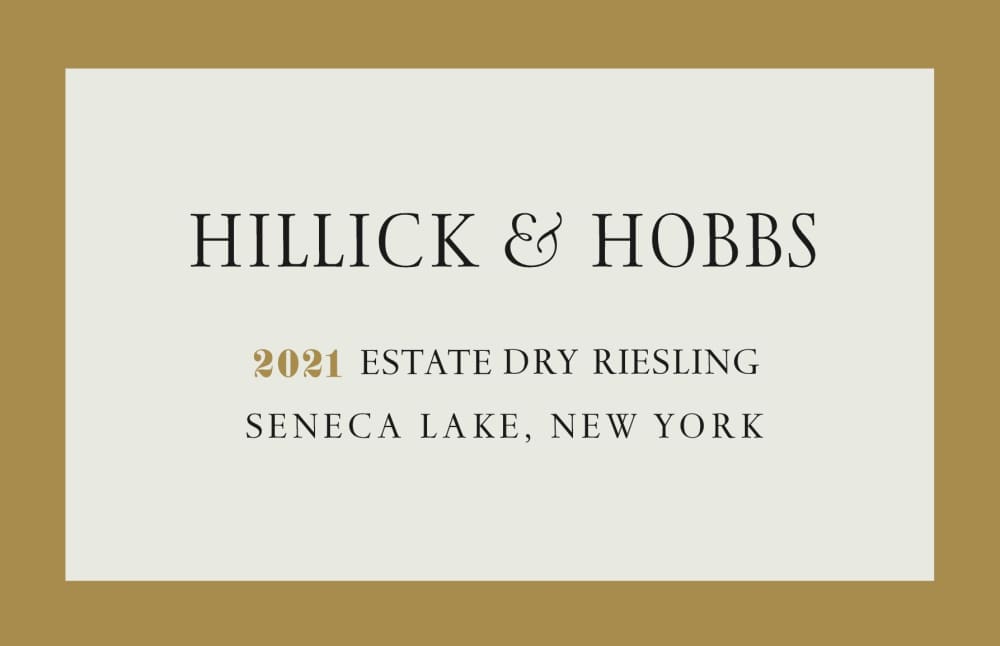
For a more complex profile, try a dry Riesling from the Alsace region in France. These selections are known for their mineral undertones and bright acidity, providing an exceptional balance that appeals to many palates.
If you’re interested in exploring something less conventional, a Sancerre from the Loire Valley offers a unique expression with its flinty character and herbal nuances. This option stands out for its refreshing qualities and ability to pair beautifully with seafood dishes.
Lastly, a high-quality Italian Pinot Grigio from Friuli-Venezia Giulia showcases a light body and crisp acidity, perfect for those warm summer evenings. This wine is often characterized by its stone fruit and floral aromas, providing a delightful sipping experience.
Identifying Dry White Wine Varietals
For a truly crisp experience, seek out wines made from Sauvignon Blanc, particularly those from regions like Marlborough in New Zealand. These varietals often exhibit zesty acidity and grassy notes, making them a favorite among lovers of less sweet selections.
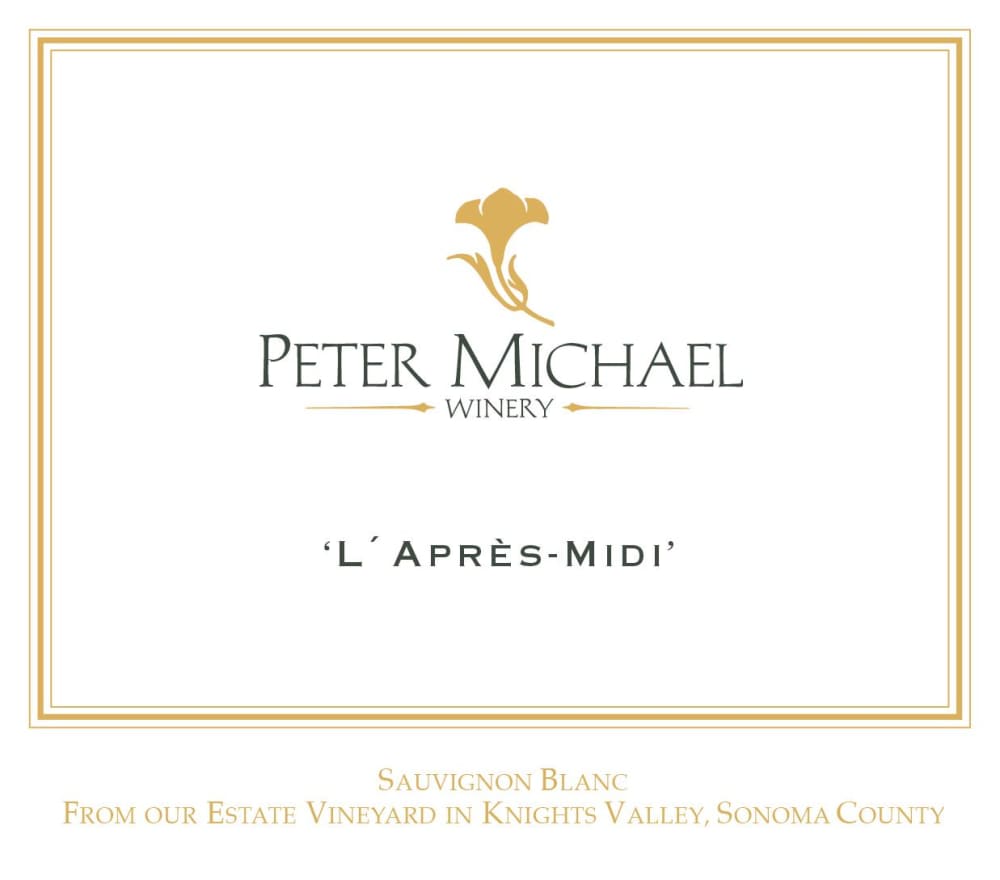
Another excellent choice is Pinot Grigio, especially from Italy. This grape tends to produce refreshing flavors with hints of pear and apple, delivering a clean finish that appeals to those who prefer less residual sugar.
Exploring Other Varietals
Chardonnay can also be a fantastic option, particularly when vinified in a dry style. Look for Chablis from France, which showcases mineral characteristics and bright acidity. This expression often lacks the buttery notes associated with oak aging, offering a more straightforward taste profile.
Albariño, originating from Spain, presents a unique alternative with its vibrant citrus flavors and flinty undertones. Its refreshing quality makes it an excellent companion for seafood, enhancing the dining experience.
Regional Recommendations
Consider exploring Grüner Veltliner from Austria. This varietal is known for its peppery notes and bright acidity, making it versatile for food pairings. It often presents an inviting, refreshing quality that stands out in any collection.
Lastly, Vermentino from Italy boasts a distinct herbal character with a mineral finish. This varietal’s crispness makes it an ideal choice for warm-weather sipping, enhancing outdoor gatherings or casual meals.
Top Regions Known for Dry White Wines
France’s Loire Valley stands out for exceptional varietals. Sancerre and Pouilly-Fumé are renowned for their crisp Sauvignon Blancs, characterized by vibrant acidity and mineral notes. Look for wines from these appellations to experience their signature dryness.
Germany’s Rheingau and Mosel regions are famous for Riesling, often misunderstood. Seek out trocken (dry) labels, which showcase zesty acidity and stone fruit flavors, making them ideal for those seeking a refreshing sip.
In Italy, the Friuli-Venezia Giulia region produces remarkable dry whites. Friulano and Sauvignon Blanc from this area offer complex profiles with herbal and floral notes, complemented by a distinct minerality. These wines often pair well with seafood dishes.
California’s Napa Valley has gained recognition for its Sauvignon Blanc. Many producers emphasize a dry style, exhibiting bright citrus and tropical fruit characteristics alongside herbal undertones. Look for those sourced from cooler sub-regions like Carneros.
New Zealand’s Marlborough is synonymous with Sauvignon Blanc, delivering intense grapefruit and herbaceous flavors. The region’s cool climate allows for balanced acidity, perfect for those who appreciate a bone-dry experience.
Portugal’s Vinho Verde region, while known for its light and refreshing offerings, also features dry whites. Look for Alvarinho, which boasts crisp acidity and stone fruit flavors, making it a delightful choice for warm weather.
Exploring these regions will undoubtedly lead to discovering some of the best selections that highlight the characteristics of dry wines, each with its unique profile and flavor journey.
Understanding Wine Labels: Terms and Classification
When examining labels, focus on terms like “dry,” “off-dry,” and “sweet.” Each designation provides insight into the sugar content of the liquid. For instance, “dry” signifies minimal residual sugar, while “off-dry” suggests a slight sweetness. Knowing these terms helps in selecting bottles that align with your taste preferences.
Pay attention to classifications such as “Estate Bottled,” which indicates that grapes were grown and processed on the same property. This often implies higher quality and regional authenticity. Additionally, “Old Vines” denotes grapes from older vineyards, usually resulting in more concentrated flavors.
Regions play a significant role in classification. Terms like “AOC” (Appellation d’Origine Contrôlée) in France or “DOC” (Denominazione di Origine Controllata) in Italy assure that the product adheres to strict regulations regarding grape varieties, production methods, and geographic boundaries. Understanding these classifications can enhance your appreciation of each bottle.
Look for vintage dates as well; they reveal the year grapes were harvested. A well-regarded vintage can indicate optimal growing conditions, impacting flavor and complexity. Some wines improve with age, while others are meant to be enjoyed young.
Lastly, consider the producer’s reputation. Renowned wineries often maintain consistent quality, and researching their practices can guide your choices. Familiarity with these terms and classifications equips you to navigate the shelves with confidence and select bottles that suit your palate.
How to Taste and Evaluate Dry White Wines
Begin with a clean glass, ensuring no residual aromas interfere with the experience. Pour a small amount of the beverage into the glass, allowing it to breathe.
Follow these steps for tasting:
- Visual Inspection: Examine the appearance. Look for clarity and brightness. A pale straw color often indicates a crisp flavor profile, while deeper hues may suggest more complexity.
- Aroma Assessment: Swirl gently to release aromas. Take a moment to inhale deeply. Identify primary scents such as citrus, green apple, or floral notes. Secondary aromas may include minerality or herbal hints.
- Taste Test: Take a small sip and let it coat your palate. Note the balance of acidity and flavor intensity. Assess sweetness; a truly dry option will have minimal or no residual sugars.
- Mouthfeel: Pay attention to texture. Is it light and refreshing or fuller and rounder? This aspect can greatly influence enjoyment.
- Finish Evaluation: After swallowing, consider the aftertaste. A long, pleasant finish often indicates higher quality. Note any lingering flavors and how they evolve.
Compare different varietals to understand personal preferences. Take notes on each tasting for future reference, focusing on characteristics that stand out. This practice will enhance appreciation and knowledge over time.
Recommendations for the Driest White Wines
For those seeking an exceptionally crisp experience, I recommend Sancerre, crafted from Sauvignon Blanc grapes in the Loire Valley. Its mineral-driven profile and high acidity offer a refreshing palate.
Another stellar option is Chablis, particularly those from premier cru vineyards. Made from Chardonnay, this French classic showcases flinty notes and a clean finish, perfect for lovers of dry selections.
Don’t overlook Albariño from Rías Baixas in Spain. This varietal presents bright citrus flavors and a zesty character, making it an ideal match for seafood dishes.
For something unique, consider Greco di Tufo from Italy. Its rich texture and fruity undertones make it stand out while maintaining a beautifully dry finish.
Lastly, explore Grüner Veltliner, especially from Austria. The combination of peppery notes and stone fruit flavors creates a refreshing and versatile white that pairs well with various cuisines.
Where to Buy the Driest White Wines Online
For an exceptional selection of crisp, refreshing options, I recommend exploring the following online retailers:
- Wine.com – Offers an extensive range of varietals, including Sauvignon Blanc and Pinot Grigio, with detailed tasting notes and user ratings.
- Vivino – A marketplace where I can browse user-generated reviews and ratings, making it easy to discover highly rated bottles that suit my palate.
- Drizly – Provides local delivery options, allowing me to find nearby stores with a solid inventory of dry selections.
- Last Bottle – Features limited-time offers on premium bottles, perfect for snagging exceptional choices at a discount.
- Wine Access – Curated collections from top producers, with in-depth descriptions that help me choose quality options effortlessly.
Always check for shipping policies to ensure safe delivery, and consider joining mailing lists for exclusive deals and releases tailored to my preferences.
Additionally, I often find that browsing local winery websites can yield unique finds not available through larger retailers. Many wineries offer direct-to-consumer shipping, providing an opportunity to explore regional specialties.
| Retailer | Special Features |
|---|---|
| Wine.com | Wide selection, user ratings |
| Vivino | User reviews, ratings |
| Drizly | Local delivery, store finder |
| Last Bottle | Limited-time offers |
| Wine Access | Curated selections |
Engaging with these sources will enhance my exploration of exceptional options, ensuring that I enjoy every sip from my chosen bottles.


