Chuck Furuya
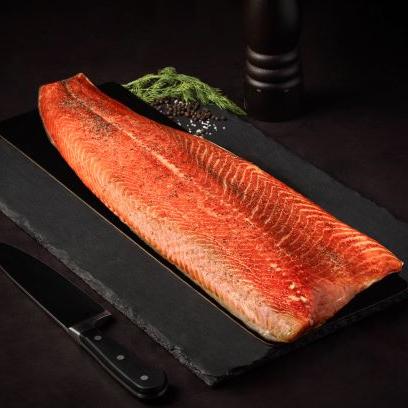

The ideal accompaniment for this fish lies in the balance of flavors and aromas. Opting for a lighter varietal brings out the delicate notes of the dish, while a bolder option complements richer preparations. For instance, a zesty, chilled option enhances the freshness and subtle sweetness, making it an excellent partner for grilled or poached preparations.
On the other side, a fuller-bodied selection can elevate smoked or roasted variations, harmonizing with their deeper flavors. The key is to consider the preparation method and seasoning. A herb-infused sauce might call for a crisp white choice, while a rich, buttery sauce would pair beautifully with a more robust alternative.

Experimentation is encouraged; personal preferences play a significant role in enjoyment. Taste preferences differ, and exploring various combinations can lead to delightful discoveries. Trusting one’s palate while keeping in mind the characteristics of both the fish and the beverage will ensure a satisfying dining experience.
Pairing Choices for Salmon
Opt for a light-bodied varietal if the preparation leans towards grilling or baking, as these styles enhance the natural flavors without overpowering them. A crisp and chilled option can elevate the dish’s appeal, especially with citrus or herb accompaniments.
Considerations for Preparation
For smoked variations, a more robust selection offers a delightful contrast, balancing the richness of the fish. Experimenting with fruit-forward options can bring out the subtle nuances in the dish, creating a harmonious dining experience.
Regional Influences
Selecting a choice from regions known for their seafood can provide an authentic touch. Local wines often complement regional cuisine beautifully, enhancing the overall flavor profile while emphasizing the freshness of the ingredients.
Understanding the Flavor Profile of Salmon
The rich, buttery texture of salmon complements its distinct flavor, which varies depending on the variety. For instance, wild-caught salmon tends to have a more pronounced taste compared to farmed options, which are often milder. The natural oils in the fish contribute to its umami characteristics, making it a versatile choice for pairing.
Flavor Variations by Type
Different species present unique profiles:
| Type | Flavor Profile |
|---|---|
| Sockeye | Rich, full-bodied, and robust with a deep red color. |
| Coho | Milder and slightly sweet with a medium fat content. |
| Atlantic | Soft texture with a buttery flavor, often found in farmed varieties. |
| Chinook | High-fat content, offering a luxurious, melt-in-your-mouth experience. |
Influence of Cooking Methods
Preparation techniques also impact the flavor. Grilling enhances smokiness, while poaching retains moisture and delicacy. Adding herbs and spices can further elevate the dish, allowing for diverse pairings. Consider citrus elements or light teriyaki for a refreshing twist.
Red Wine Options That Complement Salmon
Pinot Noir stands out as a classic pairing. Its light body and bright acidity cut through the richness, enhancing the dish’s flavors. Look for a bottle with cherry and earthy notes to elevate the experience.
Gamay, especially from Beaujolais, offers a fruit-forward profile, providing a refreshing contrast. The soft tannins harmonize well, making it suitable for grilled or roasted preparations.
Another excellent choice is Grenache, particularly those from the Southern Rhône. This varietal’s berry notes and subtle spice complement the dish without overpowering it, especially when served with a herb-infused sauce.
For a bolder option, consider a light-bodied Merlot. Its smooth texture and plum flavors pair nicely, especially with teriyaki or soy-glazed variations.
Lastly, a chilled Lambrusco can add a unique twist. The slight fizz and fruity profile provide a refreshing contrast, making it an intriguing match for smoked varieties.
White Wine Varieties to Pair with Salmon
Choosing a crisp Sauvignon Blanc enhances the delicate flavors of grilled or baked salmon. Its zesty acidity complements the fish’s richness, making each bite more enjoyable.
Chardonnay, especially unoaked, offers a refreshing option. Its notes of green apple and citrus elevate the dish, particularly when preparing salmon with lemon or herb dressings.
Another excellent choice is Pinot Grigio. This varietal brings a light body and floral aromas, which work harmoniously with smoked salmon, enhancing the savory notes without overwhelming them.
For a slightly sweeter profile, consider Riesling. A dry Riesling pairs beautifully with spicy salmon preparations, balancing heat with its fruity undertones.
Lastly, Albariño provides a vibrant acidity and stone fruit flavors, making it a delightful match for salmon dishes featuring tropical ingredients like mango or pineapple salsa.
Factors Influencing Wine Selection for Salmon Dishes
The choice of a suitable beverage for salmon dishes is guided by several factors. First, the preparation method of the fish plays a significant role. Grilled or smoked salmon, for instance, often pairs better with a bolder option, while poached or baked preparations harmonize nicely with lighter selections.
Flavor Profile Considerations
The inherent flavors found in salmon can vary widely based on its source and preparation. For instance:
- Wild-caught species typically have a richer, more robust flavor compared to farmed varieties.
- Seasoned dishes that incorporate herbs or spices will influence the choice, making a more aromatic option preferable.
- Accompaniments such as sauces or sides, like citrus or creamy elements, can elevate or alter the overall taste experience.
Personal Preferences and Trends
Individual taste preferences cannot be overlooked. Many individuals gravitate towards specific flavor profiles based on past experiences, regional trends, or seasonal availability. Additionally, current trends in food and beverage pairings can provide inspiration:
- Exploring organic or biodynamic varieties may appeal to those focused on sustainability.
- Experimenting with lesser-known varietals can introduce exciting new combinations.
Ultimately, the decision reflects a combination of these factors, ensuring a delightful dining experience.