Chuck Furuya



For poultry dishes, I consistently find that a chilled, crisp option enhances the overall dining experience. The acidity and freshness of this choice complement the flavors of the meat beautifully, bringing out its natural nuances.
When I prepare meals featuring bird meat, I often opt for a light, fruity selection. This type of beverage balances the savory notes, especially when herbs and spices are present in the dish. The interplay between the dish and this drink creates a harmonious flavor profile that elevates the entire meal.
In specific preparations, such as roasted or grilled varieties, I have noted that a more robust choice can work wonders. The richness and depth of flavor from such selections provide a delightful contrast, enhancing the taste experience. Ultimately, the choice hinges on the cooking method and accompanying ingredients, allowing for a tailored approach to each dining occasion.
Optimal Choices for Poultry Dishes
For poultry, I recommend opting for a light-bodied option. It enhances the delicate flavors of the meat while providing a refreshing contrast.
Characteristics of Light Options
Here are some traits to consider:
- High acidity helps to balance richness.
- Fruity notes complement the savory aspects of the dish.
- Lower tannins ensure a smoother experience.
Suggestions for Specific Dishes
For baked or grilled preparations, consider:
- Chardonnay: Its buttery profile works well with roasted flavors.
- Sauvignon Blanc: Offers a zesty punch to herb-seasoned variations.
- Pinot Grigio: A refreshing choice for lighter, citrus-infused recipes.
For richer sauces or marinades, I find that a fruity option can enhance the overall taste:
- Beaujolais: This light red brings out the flavors in creamy sauces.
- Gamay: Another light choice, perfect for sweet glazes or barbecue.
Understanding Flavor Profiles of Chicken
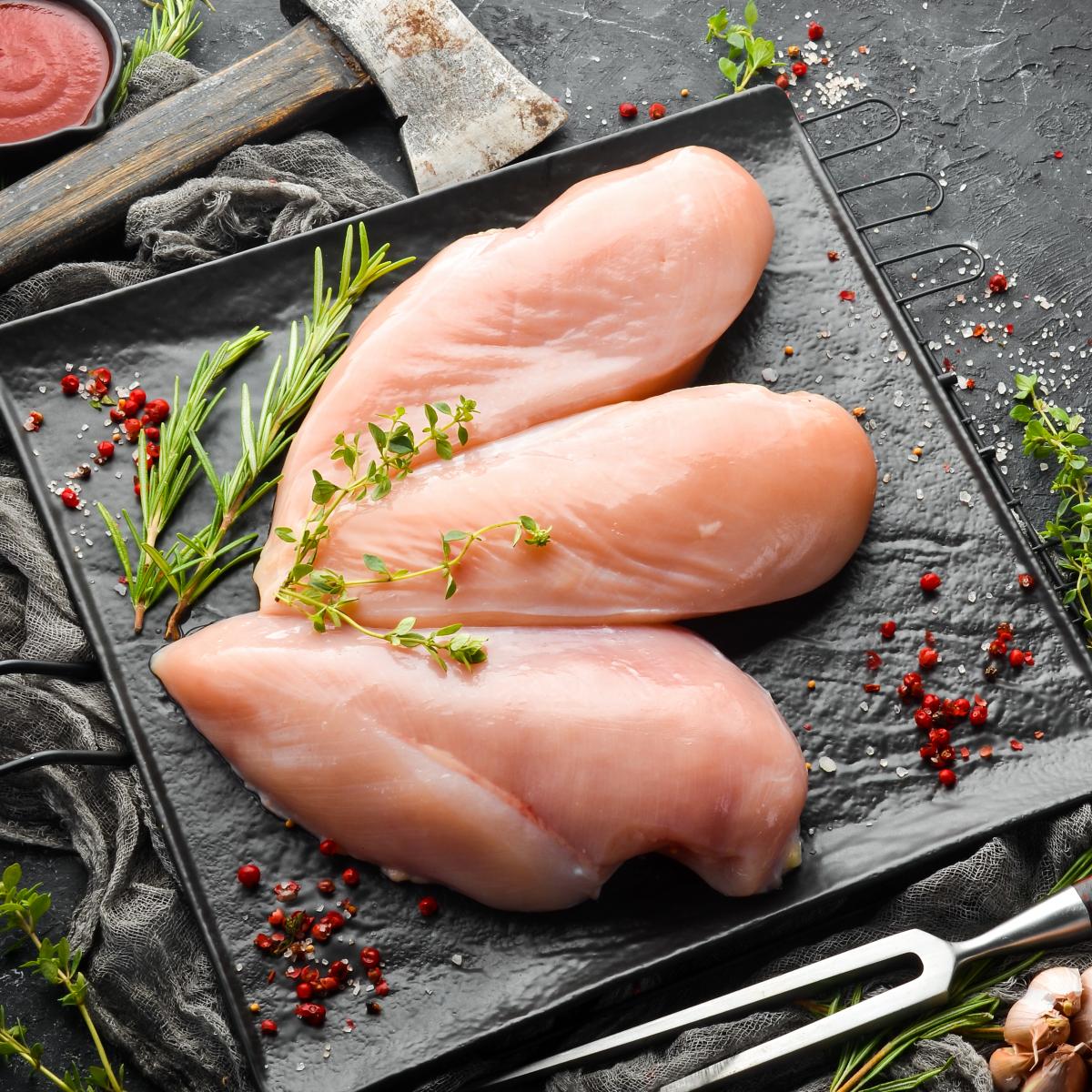
Chicken showcases a versatile flavor spectrum, ranging from mild and delicate in white meat to richer and more robust in dark meat. This variability allows for numerous culinary applications, making it a staple in diverse cuisines.
White meat, such as chicken breast, possesses a subtle sweetness and tender texture. Its mild flavor profile lends itself well to lighter seasonings, herbs, and citrus. Common complements include lemon zest, thyme, and garlic, which enhance its natural taste without overpowering it.
Dark meat, like thighs and drumsticks, offers a deeper, more savory experience. The fat content in dark meat contributes to a juicier texture and robust flavor. Ingredients such as soy sauce, smoked paprika, and rosemary can be used to accentuate its richness, resulting in a more complex dish.
Cooking methods also influence the flavor profile. Grilling introduces a smoky note, while roasting enhances the natural sweetness through caramelization. Braising, on the other hand, allows for the infusion of flavors from herbs and spices, creating a harmonious blend that elevates the overall dish.
When selecting accompaniments, consider the preparation style and seasoning profile. For example, a herbaceous marinade on grilled chicken pairs well with light, crisp vegetables, while a rich, savory sauce on roasted dark meat complements heartier sides like roasted potatoes or sautéed greens.
In summary, understanding the distinct flavor profiles of various parts of poultry and their cooking techniques is essential for creating balanced meals that highlight the unique characteristics of each dish.
Characteristics of Red Wine Suitable for Chicken
For poultry dishes, I recommend a medium-bodied option that balances fruitiness and acidity. Look for varieties that exhibit flavors of cherries, raspberries, or plums. These fruit notes can complement the savory qualities of the meat, enhancing the overall experience.
Tannin Levels
Opt for wines with moderate tannins. A wine that is too tannic can overpower the delicate flavors of the bird. A smooth texture allows for a harmonious interaction, allowing the dish’s spices and herbs to shine.
Acidity and Finish
A good choice will have a refreshing level of acidity, which cuts through richness and cleanses the palate. Look for a crisp finish that leaves a pleasant aftertaste, making each bite of your dish more enjoyable. Varietals like Pinot Noir or Gamay are often successful in this regard.
Consider the preparation method when selecting your drink. A lightly grilled option might pair well with a fruit-forward choice, while a richer, roasted preparation could benefit from a slightly bolder option. Enjoy the exploration of flavors!
Characteristics of White Wine Suitable for Chicken
An ideal selection for poultry features a balance of acidity and fruitiness, which complements the dish without overwhelming its delicate flavors. Look for options that exhibit the following traits:
Acidity
A refreshing level of acidity enhances the overall palate experience. It cuts through the richness of the meat, elevating the dish’s taste. Wines with higher acidity, such as Sauvignon Blanc or Pinot Grigio, offer a bright counterpoint to creamy sauces or roasted preparations.
Fruit Forwardness
A fruit-forward profile is essential. Notes of citrus, green apple, or stone fruits can add a delightful contrast to savory spices or herbs often used in poultry dishes. Chardonnay, especially unoaked varieties, brings a creamy texture along with hints of pear and citrus, making it a versatile choice.
| Wine Type | Flavor Notes | Best Pairings |
|---|---|---|
| Sauvignon Blanc | Citrus, Herbaceous | Grilled Chicken, Salads |
| Chardonnay | Pear, Melon | Creamy Sauces, Roasted Dishes |
| Pinot Grigio | Green Apple, Lemon | Lightly Spiced Chicken, Seafood |
Choosing a wine with a moderate alcohol content allows for a harmonious match, ensuring that the beverage enhances rather than overshadows the meal. This balance results in a more enjoyable dining experience, where both the dish and drink shine equally.
Regional Influences on Wine and Chicken Pairing
In the Mediterranean, I often choose a crisp white from Greece, like Assyrtiko, to accompany grilled poultry. The bright acidity complements the dish’s flavors beautifully, enhancing the overall experience. In contrast, a rich Chardonnay from California pairs wonderfully with creamy chicken dishes, balancing the richness with its full-bodied character.
Traveling to France, I find that a light-bodied Pinot Noir from Burgundy can elevate herb-roasted fowl, as its subtle earthiness matches the dish’s aromatic notes. Meanwhile, a Provencal rosé serves as a refreshing option, especially during warmer months, bringing a delightful fruitiness that enlivens lighter chicken preparations.
Exploring Regional Varieties
Italian varietals offer unique experiences as well. A Sangiovese from Tuscany harmonizes well with tomato-based chicken recipes, while a Vermentino pairs nicely with lemon and herb-seasoned dishes, thanks to its refreshing minerality. In the New World, a Malbec from Argentina can transform a smoky grilled preparation, providing a bold contrast that enhances the flavors.
Cultural Traditions and Pairing Choices
Understanding local culinary traditions can guide my choices significantly. In Asian cuisines, like Thai or Vietnamese, I often opt for aromatic Rieslings that balance spicy notes effectively. This regional insight allows me to appreciate not just the flavors on the plate, but also the cultural context of the meal.
Cooking Methods and Their Impact on Wine Selection
Grilling chicken over an open flame intensifies its smoky flavor, making it a prime candidate for a fruit-forward beverage. I recommend a chilled, crisp option that complements the charred notes. A Sauvignon Blanc or a light-bodied alternative works remarkably well here.
Braising and Roasting
When braising or roasting, the rich, savory qualities of the dish emerge, often enhanced by herbs and spices. In this case, I suggest opting for a more robust choice. A medium-bodied selection, like a Viognier or a lightly oaked Chardonnay, brings out the dish’s depth without overwhelming it.
Frying Techniques
Fried preparations introduce a delightful crunch and greasiness that require a refreshing counterpart. A sparkling variant, such as Prosecco or a dry Cava, can effectively cut through the richness, providing a balancing act that enlivens the palate.
- Grilling: Choose a crisp, fruit-forward option.
- Braising/Roasting: Look for a medium-bodied selection.
- Frying: Opt for a sparkling variant to cut through richness.
Each cooking technique not only transforms the flavor profile of the meat but also guides the selection process for the ideal complementing beverage. Understanding these nuances is key to enhancing the overall dining experience.
How Sauce Choices Affect Wine Pairing
Choosing the ideal sauce significantly influences the selection of a suitable beverage for poultry dishes. For example, a creamy sauce often complements lighter beverages, while a robust sauce may call for something bolder.
Here’s a quick guide to sauce types and their best beverage matches:
| Sauce Type | Flavor Profile | Recommended Beverage |
|---|---|---|
| Creamy | Rich, buttery | Light-bodied options |
| Tomato-based | Acidic, tangy | Medium-bodied selections |
| Herb-infused | Fresh, aromatic | Crisp, aromatic choices |
| Spicy | Piquant, bold | Fruity, slightly sweet varieties |
For creamy sauces, I typically opt for lighter-bodied options, such as a Sauvignon Blanc or a lightly oaked Chardonnay. These selections highlight the richness without overwhelming the palate.
When it comes to tomato-based sauces, I find that medium-bodied selections work best. A Chianti or a Merlot can balance the acidity of the sauce while enhancing the overall experience.
Herb-infused sauces pair beautifully with crisp, aromatic choices. A Sauvignon Blanc or an aromatic varietal like Grüner Veltliner can accentuate the freshness of the herbs.
For spicy sauces, I recommend fruity varieties that can mellow out the heat, such as a Riesling or a slightly sweet rosé. These options provide a pleasant contrast to the spice, making each bite enjoyable.
In summary, tailoring the beverage to the sauce enhances the dining experience, allowing for a harmonious blend of flavors. Always consider the sauce as a pivotal element in your pairing decisions to elevate the meal.